
The Harley-Davidson Recall Alert: 17,000 Units Affected Over Major Technical Flaw has triggered regulatory scrutiny and consumer concern after the company identified a defect in the rear braking system of several 2025–2026 motorcycles.

The issue, which could lead to brake fluid leakage and reduced stopping power, has prompted a voluntary recall and urgent repair programme.
Table of Contents
Inside the Harley-Davidson Recall Alert
The recall affects 16,994 motorcycles, primarily within Harley-Davidson’s Softail lineup. According to documents filed with the National Highway Traffic Safety Administration (NHTSA), the defect lies in the rear brake line assembly, a critical component of the motorcycle’s hydraulic braking system.
The company disclosed that the brake line may come into unintended contact with adjacent components, particularly the body control module (BCM). Over time, this contact can wear down the brake line, potentially causing a fluid leak and subsequent loss of braking efficiency. Harley-Davidson stated in its regulatory filing that such a failure could “increase the risk of a crash under normal riding conditions.”
Models and Production Scope
Affected Motorcycle Models
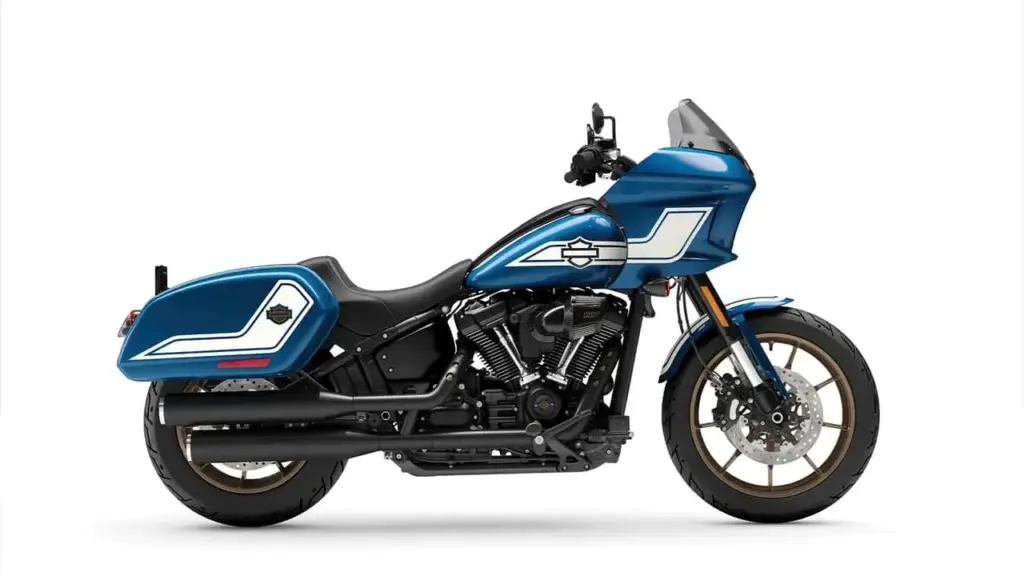
The Harley-Davidson Recall Alert covers the following models:
- FLHC (Heritage Classic).
- FXBB (Street Bob).
- FXLRS (Low Rider S).
- FXLRST (Low Rider ST).
These units were manufactured between October 2024 and March 2026, reflecting a production window of approximately 18 months.
Extent of Potential Defect
Regulators estimate that all affected units may contain the defect, indicating a systemic issue rather than isolated manufacturing errors. This classification elevates the recall’s urgency and scope.
Technical Breakdown: Why the Defect Matters
How Motorcycle Braking Systems Work
Motorcycles rely heavily on hydraulic braking systems, where fluid pressure transfers force from the rider’s input to the brake calipers. Unlike cars, motorcycles depend on a precise balance between front and rear brakes to maintain stability.
Failure Mechanism
The defect arises due to:
- Improper routing of the brake line.
- Insufficient clearance between components.
- Continuous vibration during operation.
This leads to abrasion, which can puncture the brake line. Once brake fluid escapes, hydraulic pressure drops, reducing braking effectiveness.
Expert Analysis
Dr. Rajiv Mehta, mechanical engineering specialist at the Indian Institute of Technology (IIT) Delhi, said:
“A hydraulic system is only as strong as its weakest seal. Even a minor leak can significantly degrade braking force. For motorcycles, this risk is amplified due to rider exposure and balance dependency.”
Timeline: How the Issue Emerged
Early Warning Signs
- Initial field reports and warranty claims began surfacing in late 2025.
- Dealers observed inconsistent rear brake performance in certain units.
Internal Investigation
Harley-Davidson initiated a technical review, including:
- Component inspections.
- Field data analysis.
- Engineering validation tests.
Regulatory Filing
By April 2026, the company formally notified the NHTSA and initiated a recall process, aligning with safety compliance requirements.
Regulatory Oversight and Recall Process
The NHTSA oversees vehicle safety compliance in the United States and requires manufacturers to report defects that could compromise safety.
Recall Procedure
Once a defect is identified:
- Manufacturer files a defect report.
- Regulator reviews safety implications.
- Public recall is issued.
- Owners are notified.
- Repairs are conducted at no cost.
Harley-Davidson has followed this process, announcing that owner notifications will begin in May 2026.
Repair Strategy and Dealer Response
What the Fix Includes
The company’s corrective action involves:
- Inspecting the rear brake line.
- Replacing damaged lines.
- Installing improved mounting hardware to prevent contact.
Dealer Preparedness
Dealerships have been instructed to prioritise affected units. A senior service manager at a Delhi-based dealership said:
“We have received preliminary guidance. Once official notifications arrive, we expect a steady flow of service requests.”
Consumer Impact and Market Reaction
Rider Safety Concerns
Motorcycle riders are particularly vulnerable to mechanical failures. Even partial brake loss can lead to severe accidents, especially at high speeds or in urban traffic.
Customer Sentiment
Early reactions suggest heightened caution among owners, though many appreciate the company’s proactive recall.
Financial and Brand Implications
Industry analysts indicate that while recall costs may be absorbed, the incident could affect:
- Short-term sales momentum.
- Customer confidence.
- Brand perception in premium markets.
Global Implications of the Recall
Although the recall is currently centred in the United States, Harley-Davidson operates globally. Experts expect parallel recall actions in other regions, depending on distribution.
India’s Role
India’s premium motorcycle segment has expanded significantly. If affected units are present in the country, local authorities such as the Ministry of Road Transport and Highways (MoRTH) may coordinate recall efforts.
Industry Context: Rising Complexity and Recall Trends
Modern Engineering Challenges
Today’s motorcycles integrate:
- Electronic control systems.
- Compact component layouts.
- Advanced safety technologies.
While these features enhance performance, they also increase the likelihood of component interference issues.
Comparative Recall Trends
Recent years have seen multiple recalls across manufacturers due to:
- Electrical faults.
- Sensor malfunctions.
- Mechanical wear issues.
The Harley-Davidson Recall Alert reflects a broader trend of complexity-driven risks in vehicle manufacturing.
What Owners Should Do
Immediate Steps
- Verify VIN through official recall platforms.
- Contact authorised dealerships.
- Schedule inspection promptly.
Warning Signs
Owners should watch for:
- Reduced braking efficiency.
- Fluid leakage near rear wheel.
- Changes in brake pedal feel.
Experts advise avoiding riding the motorcycle if any of these symptoms appear.
Related Links
Motorcycle Sales Hit Record Highs: Why Everyone is Buying Two-Wheelers Again in 2026
E-Bike Crackdown 2026: New Speed Caps and Rules You Need to Know Before Buying
Corporate Responsibility and Transparency
Harley-Davidson’s decision to issue a voluntary recall highlights the importance of corporate accountability in product safety. Industry observers note that timely disclosure and corrective action are essential to maintaining regulatory compliance and public trust.
The Harley-Davidson Recall Alert involving nearly 17,000 motorcycles underscores the critical importance of safety in automotive engineering. While the defect has not yet resulted in reported injuries, its potential consequences have prompted swift action from both the manufacturer and regulators. The episode serves as a reminder that even established brands must continuously adapt to the challenges of modern vehicle design and maintain rigorous quality standards.