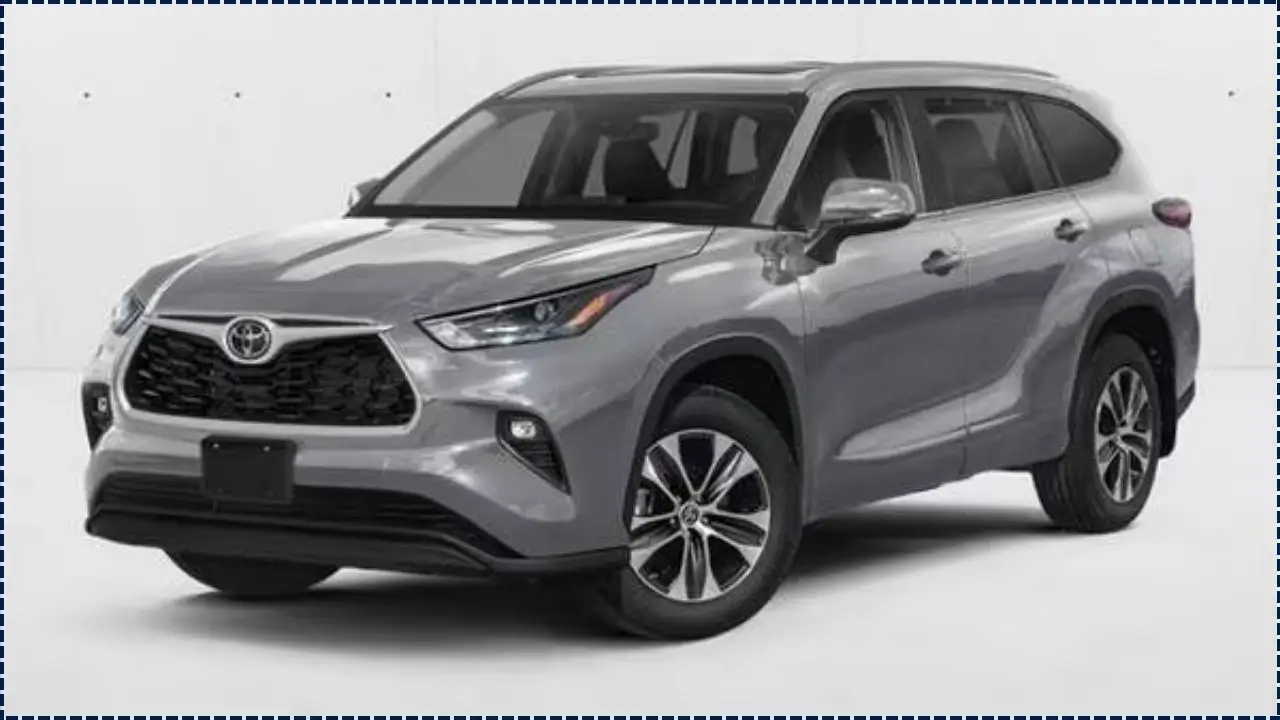

In 2026, AI-powered collision warnings and blind spot detection systems are transforming road safety by predicting hazards before drivers react.
As automakers and regulators push for wider adoption, these advanced systems are reducing accidents and injuries, marking a shift from reactive protection to proactive crash prevention in modern vehicles.
Table of Contents
AI-Powered Collision Warnings
| Key Fact | Detail/Statistic |
|---|---|
| Crash Reduction | ~15% fewer lane-change crashes |
| Market Size | $33.6 billion collision avoidance market |
| Technology Base | AI-driven ADAS with sensor fusion |
| Human Factor | Over 90% of crashes linked to human error |
AI-Powered Collision Warnings and Blind Spot Detection Become Core Safety Features
The AI-powered collision warnings and blind spot detection systems now embedded in modern vehicles represent a major shift in automotive safety philosophy. Earlier systems such as anti-lock braking systems (ABS) and airbags were designed to reduce injury after a crash. Today’s AI-driven technologies aim to prevent crashes entirely.
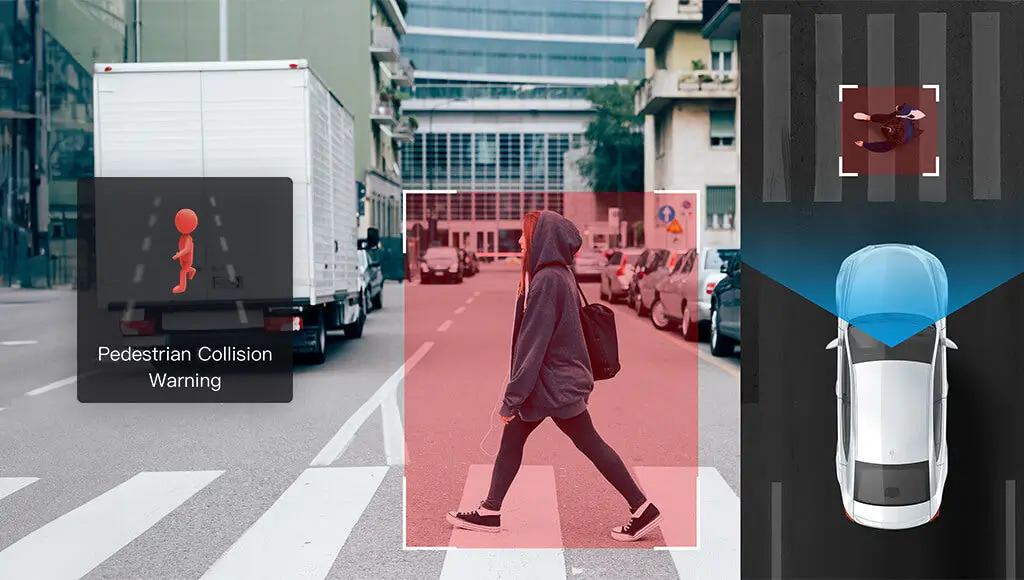
Automakers are integrating these systems into advanced driver-assistance systems (ADAS), which combine artificial intelligence with real-time environmental sensing. The result is a vehicle that continuously monitors its surroundings and alerts drivers to potential dangers.
How the Technology Works
Sensor Fusion and Real-Time Analysis
Modern safety systems rely on a combination of technologies:
- Radar sensors track speed and distance.
- Cameras identify objects and lane markings.
- Ultrasonic sensors assist with proximity detection.
AI algorithms process this data in milliseconds, allowing vehicles to detect hazards and predict potential collisions faster than human drivers.
Automatic Intervention Systems
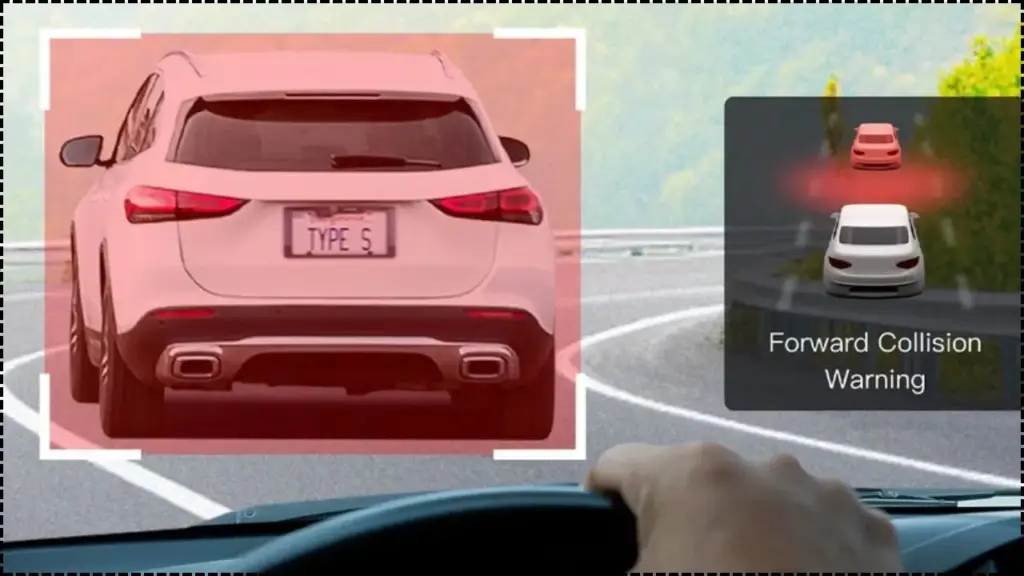
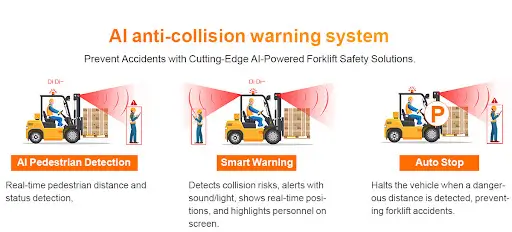
When a potential collision is detected, the system can:
- Issue visual or audible warnings.
- Vibrate the steering wheel or seat.
- Automatically apply brakes if the driver does not respond.
This layered approach increases the likelihood of preventing accidents or reducing their severity.
Blind Spot Detection: Solving a Persistent Safety Gap
Blind spot detection systems address one of the most common causes of accidents—lane-change collisions. These systems monitor areas that are not visible through mirrors and alert drivers when another vehicle is present.
Studies show that vehicles equipped with blind spot monitoring experience around 15% fewer lane-change crashes, particularly on highways where speeds are higher and reaction time is limited. “Blind spots are a fundamental limitation of human driving,” said a transportation safety researcher. “Technology can compensate for that limitation in ways mirrors cannot.”
Real-World Case Studies: Lives Saved Through Technology
Recent incident reports from safety agencies highlight how these systems are preventing accidents:
- A highway driver avoided a high-speed collision after a blind spot alert detected a fast-approaching vehicle.
- An urban commuter prevented a rear-end crash due to forward collision warning triggering automatic braking.
- Fleet operators report fewer accidents in vehicles equipped with AI safety systems.
While individual cases vary, these examples illustrate how real-time alerts can make critical differences in high-risk situations.
Insurance Industry Impact
The insurance sector is increasingly recognizing the benefits of AI-powered safety systems. Several insurers now offer:
- Lower premiums for vehicles equipped with ADAS.
- Discounts for fleet operators using collision avoidance systems.
- Incentives for adopting advanced safety technologies.
Insurance analysts say reduced accident frequency directly lowers claim costs, making these systems financially beneficial for both insurers and drivers.
Market Growth and Industry Expansion
The global market for collision avoidance systems is growing rapidly:
- Valued at $33.6 billion in 2026, with strong growth projections.
- Blind spot detection systems expected to expand significantly by 2030.
- Increasing adoption in both passenger and commercial vehicles.
Government regulations are also accelerating adoption by incorporating ADAS features into safety ratings and compliance standards.
Why Artificial Intelligence Is Transformational
AI distinguishes modern safety systems from earlier technologies by enabling:
Predictive Risk Detection
AI identifies patterns and anticipates hazards before they occur.
Ultra-Fast Response
Systems react in milliseconds, far faster than human reflexes.
Continuous Learning
Machine learning models improve over time using driving data.
This combination allows vehicles to move from passive safety to active accident prevention.
Human Factors: Behavior, Trust, and Adaptation
While technology plays a critical role, human behavior remains central to road safety. Studies show that:
- Drivers initially respond positively to safety alerts.
- Over time, some may ignore frequent warnings.
- Proper driver education improves system effectiveness.
Experts emphasize that balancing system sensitivity with user trust is essential for long-term success.
Data Privacy and Cybersecurity Concerns
AI-powered systems rely on large amounts of data, raising important privacy considerations:
- Vehicles collect data on driving patterns and surroundings.
- Data storage and sharing practices vary by manufacturer.
- Cybersecurity risks could affect system reliability.
Regulators are increasingly focusing on data protection standards to ensure consumer trust.
Infrastructure and Ecosystem Readiness
The effectiveness of AI safety systems can be influenced by road infrastructure:
- Clear lane markings improve camera-based detection.
- Well-maintained roads enhance sensor accuracy.
- Smart infrastructure can integrate with vehicle systems.
Governments are exploring ways to align infrastructure development with advanced vehicle technologies.
Challenges and Limitations
Despite their benefits, these systems face ongoing challenges:
- False alerts may reduce driver confidence.
- Adverse weather can impact sensor performance.
- High costs limit adoption in budget vehicles.
Experts stress that continuous improvement and real-world testing are essential.
Role in Autonomous Driving Evolution
AI-powered collision warnings and blind spot detection systems are foundational technologies for autonomous vehicles. They represent early stages of automation, where vehicles assist drivers but do not replace them.
As technology advances, these systems will evolve into more sophisticated platforms capable of handling complex driving tasks independently.
Regional Trends: India and Global Markets
India is emerging as a rapidly growing market for AI safety systems due to:
- Rising road accident rates.
- Government initiatives like Bharat NCAP.
- Increasing consumer awareness.
Globally, Europe and North America lead adoption, while Asia-Pacific markets are expanding quickly as costs decline.
Related Links
E-Bike Crackdown 2026: New Speed Caps and Rules You Need to Know Before Buying
The 400cc Golden Era: How A2 License Laws Made Small-Bore Twins the Ultimate Bikes
Future Outlook: Toward Zero-Accident Mobility
Industry experts believe AI-powered safety systems could significantly reduce road fatalities over the next decade. Continued advancements in sensor technology, computing power, and machine learning will enhance system accuracy and reliability.
“These systems represent a critical step toward safer roads,” said a mobility expert. “The long-term goal is not just fewer accidents, but eventually eliminating them.”
FAQs
What are AI-powered collision warning systems?
They are systems that use artificial intelligence and sensors to detect potential collisions and alert drivers or intervene automatically.
How effective is blind spot detection?
Studies show it can reduce lane-change crashes by around 15%.
Do these systems work in all conditions?
Performance can vary in extreme weather or poor visibility.
Are they available in all cars?
They are increasingly common but still more prevalent in mid-range and premium vehicles.
Will they replace drivers?
No. They assist drivers but do not eliminate the need for human control.