
The “E-Bike Crackdown 2026” reflects stricter enforcement of electric two-wheeler regulations in India, as authorities respond to safety concerns, rising adoption, and misuse of high-speed models.
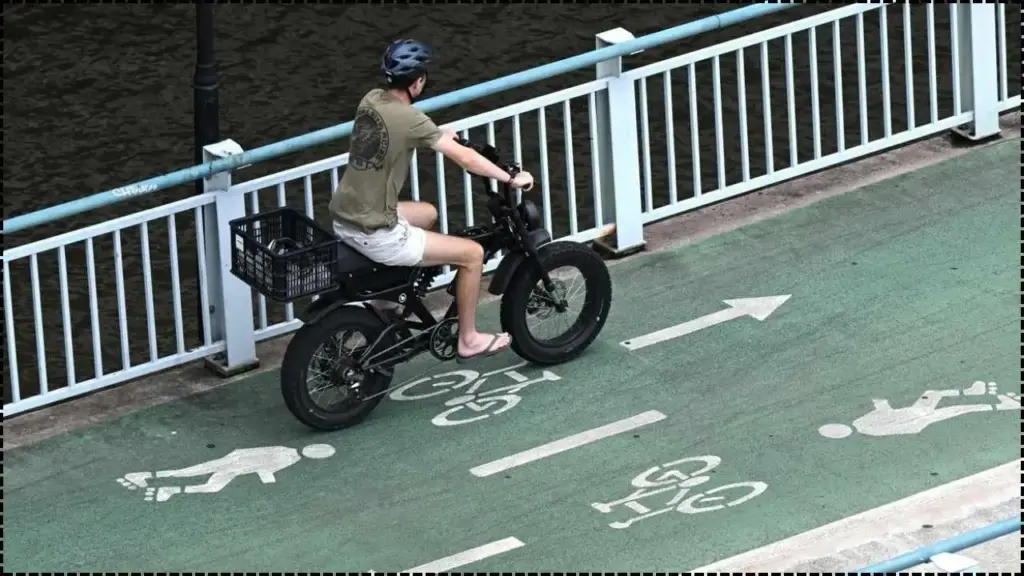
With clear speed caps, licensing rules, and compliance requirements now under scrutiny, buyers must understand how these changes affect legality, safety, and ownership before purchasing an electric bike.
Table of Contents
What Is the E-Bike Crackdown 2026?
The term refers to intensified enforcement of existing electric vehicle rules, particularly those governing speed limits, classification, and safety compliance. According to the briefing document , the crackdown is driven by three key factors:
- Rapid growth in electric vehicle adoption.
- Increasing safety concerns.
- Misclassification and misuse of high-speed e-bikes.
Rather than introducing entirely new laws, authorities are focusing on strict implementation of current regulations.
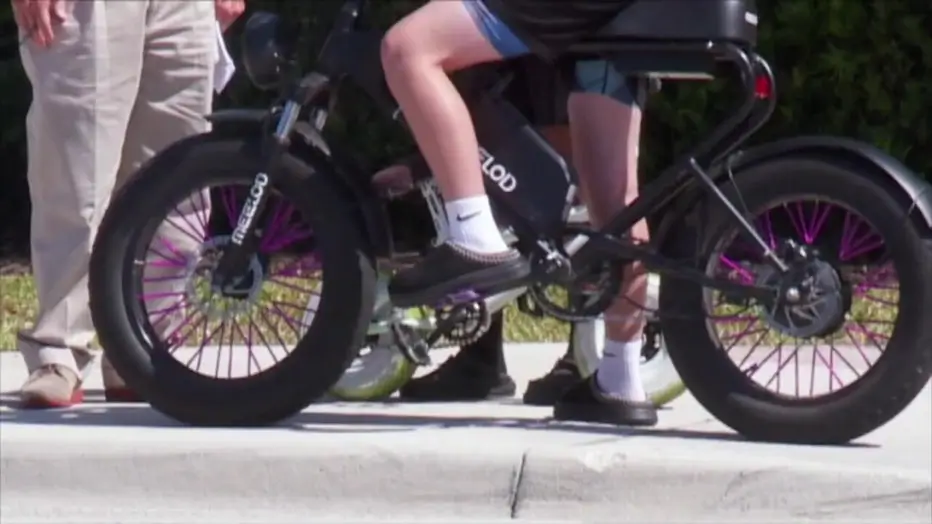
The Core Rule: Speed Cap Defines Legal Status
Low-Speed Electric Bikes
Electric bikes that meet the following criteria:
- Maximum speed: 25 km/h.
- Motor power: ≤ 250 watts.
are classified as non-motorised vehicles.
These do not require:
- Driving licence.
- Registration.
- Insurance.
They are commonly referred to as “electric cycles.”
High-Speed Electric Bikes
Any vehicle exceeding:
- 25 km/h speed.
- or 250W motor power.
is classified as a motor vehicle.
This means mandatory:
- Driving licence.
- RTO registration.
- Insurance.
- Number plate.
This distinction forms the backbone of the crackdown.
How India Reached This Point: A Brief Timeline
2015–2020: Early EV Push
Government incentives encouraged electric mobility adoption.
2021–2023: Rapid Growth
Affordable electric two-wheelers flooded the market.
2022–2024: Safety Incidents
Battery fires and accidents raised concerns.
2025–2026: Enforcement Phase
Authorities began cracking down on:
- Non-compliant vehicles.
- Misleading sales practices.
Safety Concerns Driving the Crackdown
Rising Accident Risk
Authorities have reported increased incidents involving:
- High-speed e-bikes used without licences.
- Riders lacking training.
Battery Fire Incidents
Lithium-ion battery failures have caused:
- Vehicle fires.
- Safety recalls.
- Public concern.
These incidents pushed regulators to tighten compliance and certification norms.
The Hidden Risk: Misleading “No Licence” Claims
A major issue identified by regulators is:
High-speed e-bikes being marketed as licence-free
In reality:
- Many of these vehicles exceed legal limits.
- Buyers unknowingly violate the law.
This has become a key focus area in enforcement actions.
Insurance and Liability: A Critical Gap
For High-Speed E-Bikes
Insurance is mandatory.
In case of an accident:
- Claims may be rejected if the vehicle is unregistered.
- Legal liability increases significantly.
For Low-Speed E-Bikes
Insurance is not required, but:
- Riders bear personal liability.
- No formal protection in accidents.
Experts warn that many buyers underestimate this risk.
Grey Market and Illegal Modifications
Authorities are also targeting:
- Speed limiter removal.
- Battery upgrades increasing power.
- Unauthorised modifications.
Such changes can:
- Void compliance certification.
- Make vehicles illegal on roads.
State-Level Enforcement Differences
While rules are national, enforcement varies by state.
Stricter Regions
- Delhi NCR.
- Maharashtra.
- Karnataka.
These regions have increased road checks and penalties.
Emerging Enforcement Areas
- Tier-2 and Tier-3 cities.
- Smaller towns with rising EV adoption.
This uneven enforcement can create confusion among buyers.
Market Impact: A Structural Shift
Clear Segmentation
The crackdown is creating two distinct categories:
- Low-speed electric cycles (license-free).
- High-speed electric motorcycles (fully regulated).
Impact on Manufacturers
Companies are now:
- Ensuring strict compliance.
- Avoiding ambiguous product positioning.
- Improving certification processes.
Consumer Behaviour: Smarter Buying Decisions
Buyers are increasingly asking:
- Is this model legally compliant?
- Does it require a licence?
- What is the real top speed?
This shift is improving transparency in the market.
Industry Perspective
Experts believe regulation is necessary for long-term growth. “Unregulated expansion can harm both consumers and the industry,” said an electric mobility analyst. Another expert noted that “clear rules build trust and improve safety standards.”
Future Policy Direction
Stricter Certification Norms
Authorities are expected to strengthen:
- AIS (Automotive Industry Standards) compliance.
- Battery safety testing.
Digital Monitoring
Future systems may include:
- GPS-based speed monitoring.
- Remote compliance checks.
Dealer Accountability
Sellers may face penalties for:
- Misleading claims.
- Selling non-compliant vehicles.
Global Context
India’s approach mirrors global trends. In many countries:
- 25 km/h defines e-bike classification.
- Higher speeds require licensing.
This standardisation supports safety and regulatory clarity.
Related Links
KTM’s AMT Revolution: Is the New 1390 Super Adventure S EVO the World’s Smartest ADV?
125cc Showdown: Honda CB 125 Hornet vs Hero Xtreme 125R – Which is Best for You?
What Buyers Should Do Before Purchasing
Checklist
- Verify top speed and motor power.
- Confirm whether licence is required
- Check registration and insurance needs
- Avoid modified or unverified models
This can prevent legal and financial issues later.
The E-Bike Crackdown 2026 represents a shift from rapid adoption to regulated growth. By enforcing speed caps and compliance rules, authorities aim to improve safety and bring clarity to the electric mobility market.
For consumers, understanding these distinctions is essential. As one transport expert noted, “The future of electric mobility depends not just on innovation, but on responsible adoption.”