
In 2026, the iconic motorcycle clutch lever — long seen as a symbol of rider skill and engagement — is rapidly disappearing from the handlebars of mainstream bikes.
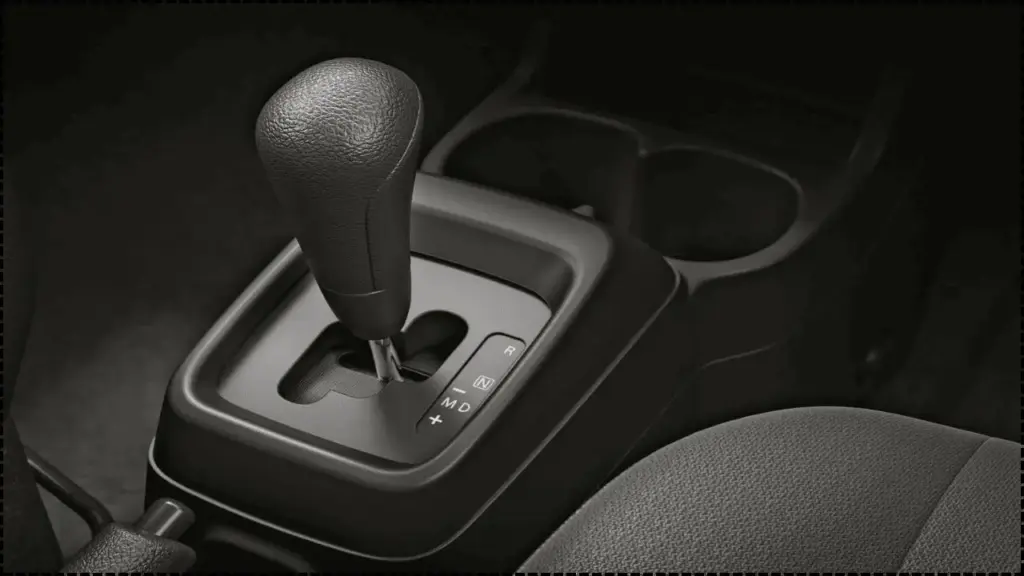
Manufacturers such as Yamaha, BMW, and KTM are introducing Automated Manual Transmissions (AMT) and clutchless systems that handle gear changes electronically or automatically — a watershed shift that could change how motorcycles are ridden, marketed, and experienced worldwide.
Table of Contents
A New Era: What Exactly Is an Automated Manual Transmission?
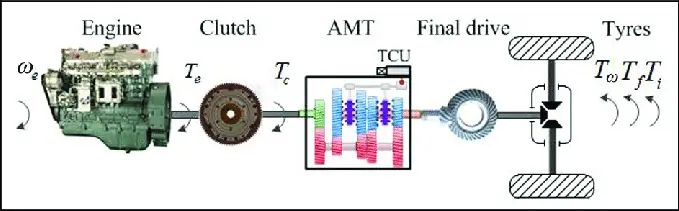
An Automated Manual Transmission (AMT) blends the mechanical efficiency of a traditional manual gearbox with electronic automation. Instead of riders manually operating a clutch lever and foot shifter:
- Clutch engagement is automated via actuators or computer control.
- Gear shifts are controlled electronically based on riding conditions.
- Riders may choose full automatic mode or semi‑automatic/manual shift modes without using a clutch lever.
In effect, AMT bikes can operate much like automatic cars, but retain the familiar feel and mechanical layout of manual gearboxes — minus the clutch lever.
What Leading Brands Are Doing
Yamaha: A Clutchless Future with Y‑AMT
Yamaha is among the first mainstream manufacturers to widely adopt automatic manual gearboxes. Its Y‑AMT (Yamaha Automated Manual Transmission) technology eliminates both the clutch lever and foot shifter, instead using actuators and handlebar buttons for gear changes. The system debuted on bikes like the MT‑09 and MT‑07, redefining rider interaction while preserving control.
According to testers, Y‑AMT delivers consistently linear, smooth shifts and lets riders concentrate more on brake, cornering, and throttle — rather than clutch coordination.
BMW: Automated Shift Assistant
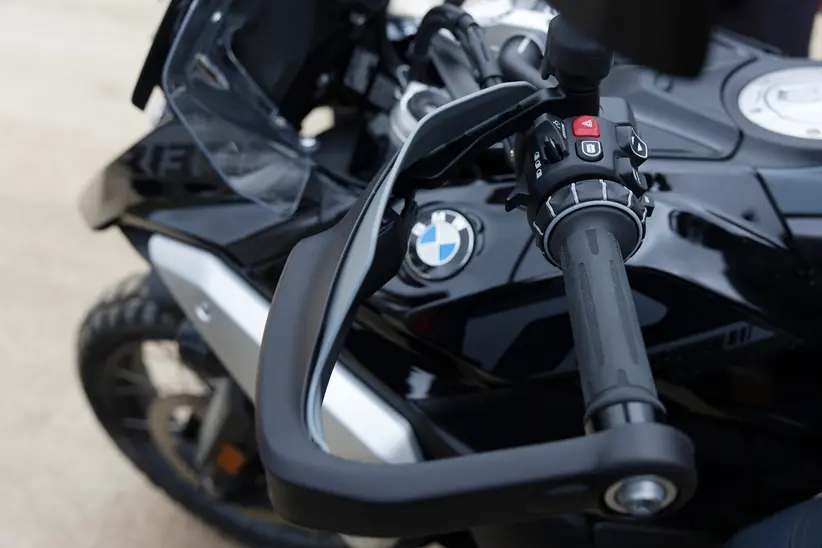
BMW Motorrad has integrated its own Automated Shift Assistant (ASA) systems on several R‑series Boxer engines. These systems automate clutch actuation and offer a hands‑free experience, particularly useful in urban riding or touring.
KTM: AMT with Flexibility
KTM’s AMT cleverly removes clutch operation but retains choice. Riders can select:
- Automatic mode: fully computer‑controlled shifting.
- Manual mode: gear changes via paddles (no clutch).
- Traditional feel when desired.
The system uses a centrifugal clutch for take‑off and slow speeds, and an electromechanical actuator to manage actual gear changes — maintaining ease without completely divorcing the rider from gear selection.
Why Now? Technological & Market Forces Driving the Change
Improved Electronics and Sensors
Today’s electronics — from high‑speed sensors to robust actuators — make precise, reliable automation possible on bikes, where packaging and weight are limited. The tech simply wasn’t as refined or light a decade ago.
Urbanisation & Traffic Realities
In dense cities — especially those with heavy stop‑start traffic — operating a manual clutch constantly becomes tiring and fatiguing for riders. Automated systems reduce that fatigue, lowering barriers for new riders.
Broader Rider Appeal
Brands are increasingly aiming to attract riders who find clutch coordination intimidating or simply unnecessary. Automated transmissions make bikes more accessible without turning them into scooters.
Safety, Comfort, & Touring
Long‑distance touring and adventure bikes especially benefit from clutchless operation. Less attention spent on shifting means more focus on navigation and rider comfort — particularly on long highway runs.
Rider Reactions: Enthusiasm and Skepticism
Enthusiasts are divided. Some riders embrace clutchless systems for convenience and reduced fatigue — especially in heavy traffic — while others argue the clutch lever is central to the purist riding experience. Social discussions reflect this split:
- “I want the physical clutch feel, it’s part of riding skill.”
- “Clutchless in traffic? Sign me up.”
- Purists predict coexistence: automatic for commuters, manual for enthusiasts.”
This mirrors broader automotive trends, where manual transmissions still exist mainly for those who value engagement, even as automatics dominate.
What This Means for the Clutch Lever
So is the clutch lever really dying?
Not exactly.
Rather than disappearing outright, the clutch lever is evolving:
- Some bikes will still offer it for purist appeal or sport use.
- Others will hide it behind automated systems for ease and accessibility.
- Both systems are likely to coexist as buyer choice expands.
At high performance or competitive levels (track use, performance bikes), manual controls may still be preferred — much like manual gearboxes still exist in high‑end cars.
Technical Look: How AMT Works Under the Hood
Unlike traditional transmissions, AMT installs:
- Electronic actuators to manipulate clutch and gears.
- ECUs (electronic control units) that decide shift timing.
- Centrifugal clutches or clutch‑by‑wire systems to handle low speeds.
- Optional handlebar paddles or buttons for manual overrides.
In automatic mode, the system continuously evaluates speed, throttle position, engine RPM, and rider input to decide gear changes — fairly similar in principle to automatic cars but adapted for a motorcycle’s compact dynamics.
The Broader Industry Trend
This movement is not isolated:
- Honda’s E‑Clutch and DCT systems automate clutch actuation (still allowing manual shifts) and remain highly popular.
- Ducati is exploring auto‑clutch technology for sportbikes — showing even traditional sport brands see value in the trend.
- Other OEMs such as Kawasaki and Suzuki are reportedly researching similar systems.
Benefits Beyond Comfort
Less Rider Fatigue
Especially in urban jam traffic or during long touring days.
Increased Accessibility
New riders find motorcycles less intimidating.
More Consistent Shifting
Electronic control can remove human variability in gear changes.
Enhanced Integration
Systems easily interface with ride modes, traction control, and other electronics.
Challenges and Considerations
Cost & Complexity
AMT systems are more expensive and add complexity compared to simple manual gearboxes.
Purist Resistance
Many riders see manual clutch operation as core to motorcycle culture.
Reliability
New systems must prove long‑term durability and weather resistance.
Transition Period
For years, both manual and automated systems will likely coexist.
The Environmental Impact: Can AMT Make Motorcycles Greener?
While the primary focus of AMT systems is on comfort, accessibility, and rider engagement, there is also potential for environmental benefits. By automating gear shifts and optimizing engine performance, AMT systems can:
- Improve fuel efficiency: Automated shifts may be timed more efficiently than manual gear changes, ensuring the engine operates at peak efficiency.
- Reduce emissions: Optimized shifting can result in fewer fuel wastage and smoother acceleration, leading to potentially lower carbon footprints for motorcycles.
As AMT systems become mainstream, there may be even further developments aimed at reducing emissions in line with global environmental standards, especially in urban settings with high traffic congestion.
The Future of Motorcycle Throttle & Transmission
The clutch lever’s diminishing presence doesn’t spell the end of riding skill — riding may simply become more inclusive and adaptable. In high‑performance and competitive arenas, manual systems may stay relevant for enthusiasts who prize mechanical feel. Meanwhile, automated manuals like those from Yamaha, BMW, and KTM will push motorcycles toward a broader user base — including urban riders, commuters, and touring enthusiasts.
As manufacturers continue to innovate, we can expect a greater push toward fully integrated systems that not only handle shifting but also work seamlessly with other technologies like adaptive cruise control, traction control, and even self-driving capabilities in future motorcycles.
Related Links
Most Affordable KTM ADV: New 350cc Adventure Model Launched at a Surprising Price
Bottom Line
The clutch lever isn’t dying, it’s evolving. The rise of Automated Manual Transmissions represents a major shift in motorcycle design philosophy — one that balances rider engagement with modern convenience, safety, and broader accessibility. As technology matures and adoption spreads, riders will have more choices than ever before in how they connect with their machines — continuing to ride the way they want, whether clutch lever or clutchless.
FAQs
Is AMT fully automatic?
In automatic mode, yes — the system shifts without clutch input. In manual mode, the rider still chooses gears but without clutch operation.
Will manual bikes disappear?
Unlikely. Enthusiast and sport segments will still offer manual controls for those who prefer them.
Is AMT only for street bikes?
No — it’s being applied to adventure, sport, and commuter motorcycles.
Is it safer?
Reduced clutch work can lower rider fatigue and distraction, but core riding skills still matter.