
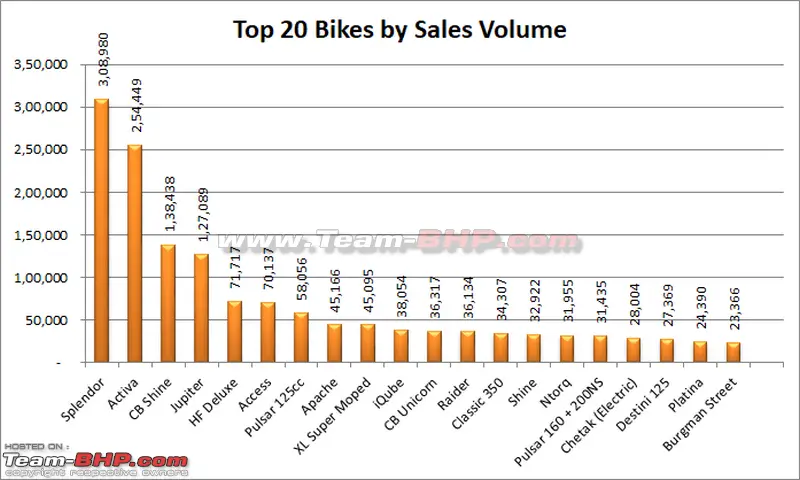
Motorcycle sales have surged to record highs in 2026, marking a strong rebound for the two-wheeler industry after years of slowdown.
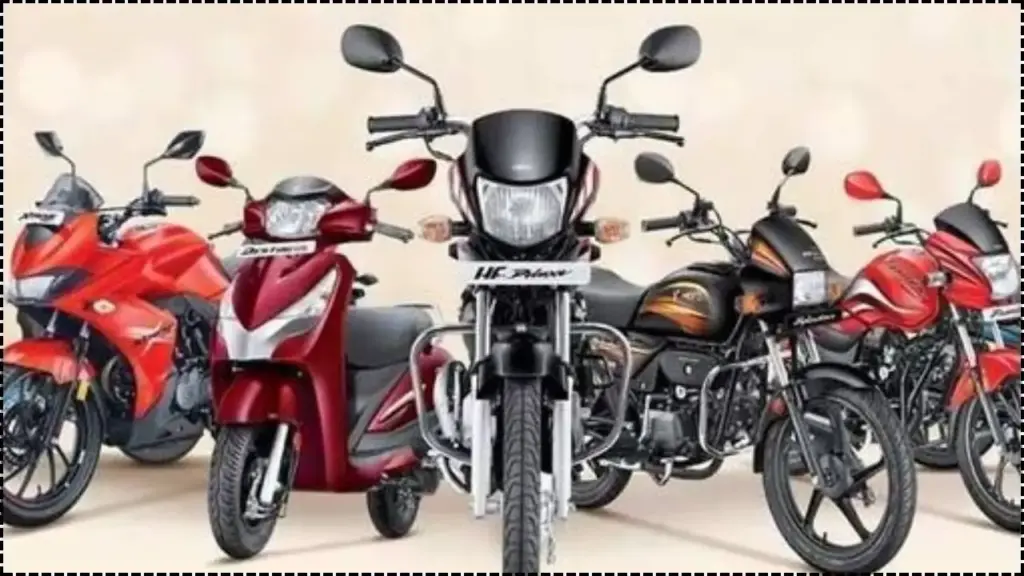
Driven by affordability concerns, rising fuel costs, expanding urban mobility needs, and economic recovery, two-wheelers are once again emerging as the most practical transport solution for millions of consumers.
Table of Contents
A Record Year for Two-Wheelers
The two-wheeler industry has entered a new growth phase in 2026, with sales reaching historic levels. According to the briefing document , the surge reflects a combination of economic recovery and shifting mobility patterns. Analysts note that the current growth is not merely cyclical but indicative of deeper structural changes in consumer behaviour.
From Slowdown to Surge: A Post-2020 Recovery Story
Pandemic and Pre-Pandemic Decline
Between 2019 and 2021, the two-wheeler market faced:
- Economic slowdown.
- Pandemic disruptions.
- Declining rural demand.
Sales stagnated or declined during this period.
Recovery Phase
From 2022 onwards, the market began recovering due to:
- Improved economic conditions.
- Increased rural incomes.
- Government stimulus measures.
By 2026, this recovery has translated into record-breaking sales.
Affordability: The Core Driver of Demand
Rising Cost of Alternatives
Car ownership has become increasingly expensive due to:
- Higher vehicle prices.
- Increased fuel costs.
- Maintenance expenses.
In comparison, motorcycles remain significantly more affordable.
Fuel Efficiency Advantage
With petrol prices remaining volatile, consumers are prioritising vehicles that offer:
- Better mileage.
- Lower running costs.
Two-wheelers continue to outperform cars in this regard.
Segment-Wise Growth: Where the Demand Is Coming From
Entry-Level Commuter Bikes
- Strong demand in rural and semi-urban areas.
- Used for daily commuting and work purposes.
Scooters
- Popular among urban users.
- Preferred for convenience and ease of use.
Premium Motorcycles
- Rising demand for 300cc–500cc bikes.
- Driven by lifestyle and leisure riding.
This diversified growth highlights the broad appeal of two-wheelers.
Urban Congestion and Mobility Challenges
Traffic Conditions
Indian cities continue to face:
- Severe traffic congestion.
- Limited parking space.
Two-wheelers offer a practical solution by:
- Navigating traffic easily.
- Requiring less parking space.
Last-Mile Connectivity
Motorcycles and scooters are essential for:
- Short-distance travel.
- Connecting to public transport hubs.
Rural Demand: A Key Growth Engine
Rural markets are playing a significant role in the 2026 sales surge.
Economic Recovery
Improved agricultural output and rural income have boosted purchasing power.
Utility Value
Motorcycles are used for:
- Transporting goods.
- Accessing markets.
- Daily commuting.
This dual utility makes them indispensable in rural areas.
Electric Two-Wheelers: A Growing Force
Rapid Adoption
Electric scooters and motorcycles are gaining traction due to:
- Lower operating costs
- Government incentives
- Increasing environmental awareness
Market Impact
The growth of electric two-wheelers is contributing significantly to overall sales figures.
Role of the Gig Economy
The rise of delivery and ride-hailing services has increased demand for two-wheelers.
Key Drivers
- E-commerce expansion.
- Food delivery platforms.
- App-based transport services.
Motorcycles are the preferred choice for gig workers due to their efficiency and cost-effectiveness.
Export Market Strength
India is not only a major consumer but also a leading exporter of two-wheelers.
Global Demand
Indian manufacturers export to:
- Africa.
- Latin America.
- Southeast Asia.
Strong export performance has contributed to overall industry growth.
Manufacturing and Employment Impact
The growth in motorcycle sales has had broader economic effects.
Job Creation
- Increased production has boosted employment.
- Expansion in dealerships and service networks.
Supply Chain Activity
Higher demand has strengthened:
- Component manufacturing.
- Logistics and distribution.
Changing Consumer Mindset
From Necessity to Choice
Motorcycles are no longer seen only as a necessity but also as:
- Lifestyle products.
- Leisure vehicles.
Younger Buyers
Young consumers are driving demand for:
- Stylish designs.
- Advanced features.
- Brand identity.
Challenges Behind the Growth
Traffic and Infrastructure
Rising vehicle numbers are putting pressure on:
- Road infrastructure.
- Urban planning.
Environmental Concerns
Petrol-powered motorcycles contribute to emissions, though EV adoption is helping mitigate this issue.
Safety Risks
Higher traffic density increases the risk of accidents if safety measures are not improved.
Expert Perspectives
Industry experts believe the current boom is sustainable in the medium term. “The demand for two-wheelers is rooted in fundamental mobility needs,” said an automotive analyst. “These drivers are unlikely to disappear soon.” Another expert noted that “the combination of affordability and practicality makes motorcycles indispensable in emerging markets.”
Related Links
125cc Showdown: Honda CB 125 Hornet vs Hero Xtreme 125R – Which is Best for You?
Bajaj Dominar 400 Price Drop: How New Engine and Lower GST Slashed Prices
Future Outlook
The motorcycle market is expected to continue growing, supported by:
- Expanding electric mobility.
- Rising urbanisation.
- Increasing disposable incomes.
Manufacturers are focusing on innovation, including:
- Better fuel efficiency.
- Advanced safety features.
- Connected technology.
The record surge in motorcycle sales in 2026 reflects a combination of economic recovery, changing mobility needs, and evolving consumer preferences. Two-wheelers have re-emerged as a central pillar of transportation, offering affordability, efficiency, and convenience.
As mobility challenges continue to evolve, motorcycles are likely to remain a critical solution for millions, shaping the future of transportation in India and beyond.