
India’s automobile market is undergoing a structural shift as safety gains prominence among buyers. The rise of “Top 5 Safest Cars in India” reflects this change, with several cars priced under ₹10 lakh achieving 5-star Bharat NCAP ratings. Models from Tata, Maruti Suzuki, and Mahindra now offer strong crash protection, signalling a move toward safer, more accountable mobility in the country.
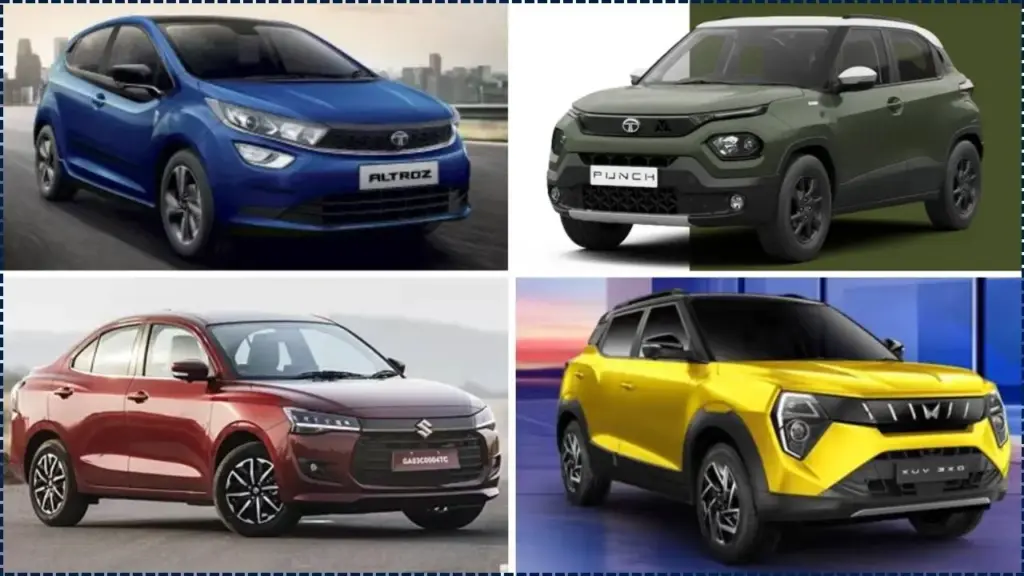
Table of Contents
Top 5 Safest Cars in India
| Key Fact | Detail |
|---|---|
| Safety shift | Buyers increasingly prioritise crash-test ratings |
| 5-star cars under ₹10 lakh | Tata Punch, Nexon, Altroz, Dzire, XUV 3XO |
| Regulation impact | Bharat NCAP driving structural safety improvements |
| Feature trend | 6 airbags becoming standard in many models |
Understanding “Top 5 Safest Cars in India” in India’s Evolving Car Market
India records one of the highest road accident rates globally. According to the Ministry of Road Transport and Highways (MoRTH), over 1.5 lakh fatalities occur annually due to road accidents. This has intensified scrutiny on vehicle safety standards.
The emergence of “Top 5 Safest Cars in India” is closely linked to policy reforms and consumer awareness. Buyers are now examining crash-test ratings alongside traditional metrics such as mileage and price. “Earlier, safety was not a primary consideration for entry-level buyers,” said a Delhi-based automotive consultant. “Today, even first-time buyers are asking about NCAP ratings.”
How Bharat NCAP is Changing the Industry
The Bharat New Car Assessment Programme (BNCAP) was introduced to bring India in line with global crash safety standards.
Key Evaluation Parameters:
- Adult occupant protection
- Child occupant protection
- Structural integrity
- Safety assist technologies
According to government officials, Bharat NCAP aims to “empower consumers with transparent safety information” and encourage manufacturers to improve vehicle design.
Top 5 Safest Cars Under ₹10 Lakh
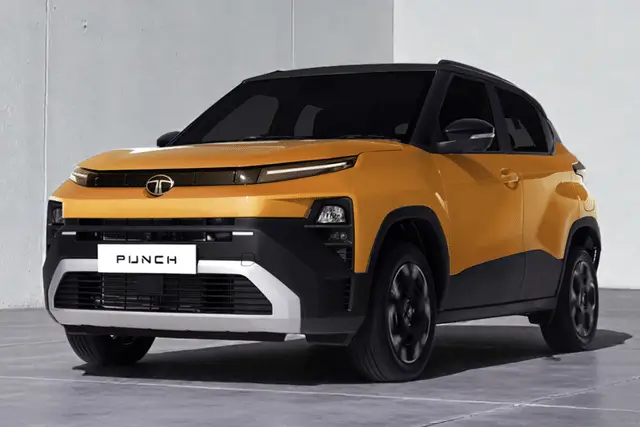
1. Tata Punch — Redefining Entry-Level Safety
- Price: ₹5.6 – ₹9.5 lakh
- Safety: 5-Star (Adult & Child)
The Tata Punch stands out as one of the safest compact vehicles in India. Its reinforced structure and high ground clearance make it suitable for both urban and rural conditions. Industry analysts note that the Punch has “democratised safety” by offering top-tier crash protection at an entry-level price point.
2. Tata Nexon — The Segment Benchmark
- Price: Starting ~₹7.3 lakh
- Safety: 5-Star (Adult & Child)
The Nexon was among the first Indian vehicles to achieve a 5-star rating, setting a precedent for the industry. Its continued success reflects growing consumer trust in safety-focused engineering.
3. Tata Altroz — Hatchback with Structural Strength
- Price: ₹6.3 – ₹10 lakh
- Safety: 5-Star (Adult)
The Altroz remains the only premium hatchback in India with a 5-star safety rating. Its rigid ALFA architecture ensures strong crash performance.
4. Maruti Suzuki Dzire — A Turning Point for the Brand
- Price: ₹6.2 – ₹9.5 lakh
- Safety: 5-Star (Adult)
The Dzire’s improved safety rating marks a significant shift for Maruti Suzuki India Ltd., a company historically criticised for safety concerns in earlier models. Industry observers say this reflects “a broader realignment toward safety compliance.”
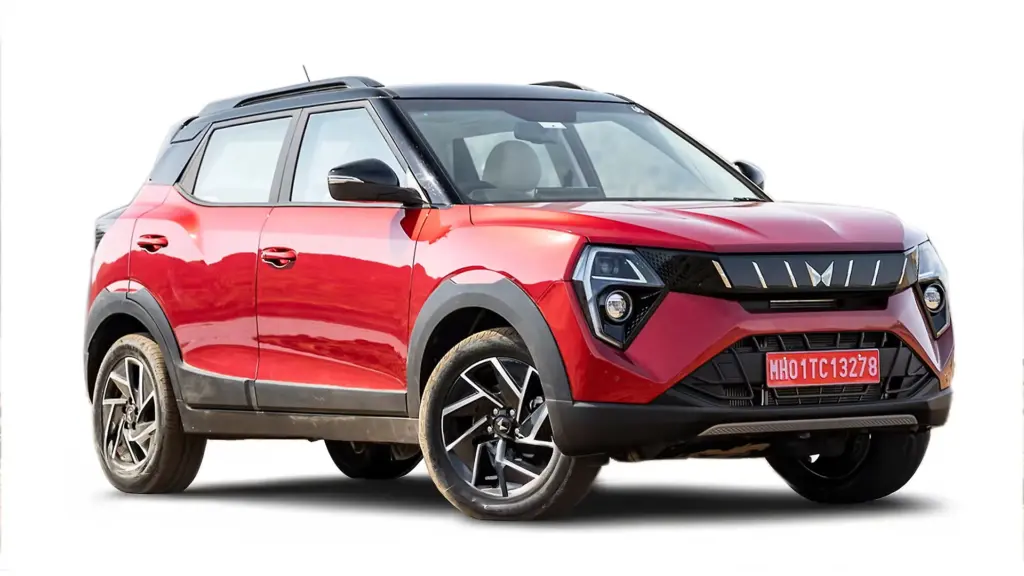
5. Mahindra XUV 3XO — Technology Meets Protection
- Price: ₹7.3 – ₹10 lakh
- Safety: 5-Star (Adult)
The XUV 3XO combines structural safety with advanced features such as electronic stability control and driver assistance systems, appealing to tech-savvy buyers.
Beyond Crash Tests: Real-World Safety Implications
Urban vs Rural Usage
In cities, safety features like ABS and airbags are critical for collision scenarios involving traffic congestion. In rural areas, structural durability becomes equally important due to poor road conditions. Experts highlight that vehicles like the Punch and Nexon perform well in both environments.
Insurance and Ownership Costs
Insurance companies are beginning to factor safety ratings into premium calculations. Vehicles with higher safety scores may benefit from lower insurance costs over time. “Safer cars reduce claim severity,” said an insurance analyst. “This can influence long-term ownership economics.”
Maintenance and Safety Longevity
Safety is not limited to crash tests. Regular maintenance of brakes, tyres, and suspension plays a critical role in real-world safety outcomes.
Industry Perspective: Safety vs Affordability Debate
While safety improvements are widely welcomed, some manufacturers argue that adding advanced features increases production costs. This creates a balance between affordability and safety, especially in price-sensitive segments. However, consumer demand is increasingly tipping this balance in favour of safety.
Policy and Regulatory Timeline
Key Developments:
- Introduction of Bharat NCAP
- Mandatory airbags regulations
- Push for electronic stability control
- Upcoming pedestrian safety norms
Government officials indicate that further regulations are under consideration to align India with global safety benchmarks.
Related Links
New Highway Toll Rules: Pay Unpaid Fees Within 72 Hours to Avoid Double Penalty
Delhi EV Subsidy Update: ₹24 Crore Disbursed to 12,000+ Beneficiaries via DBT
Future Outlook: Toward Safer Mobility
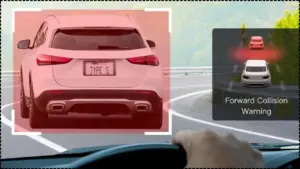
Experts predict that safety will soon become a non-negotiable standard in India’s automotive sector. Electric vehicles and connected technologies may further enhance safety through features such as collision avoidance systems. However, affordability will remain a key factor shaping adoption.
Buyer Guidance: Choose a Safe Car
Experts recommend considering:
- Crash-test ratings (Bharat NCAP)
- Structural integrity
- Standard safety features
- Real-world usage needs
“A 5-star rating is a strong indicator, but buyers should also assess overall build quality,” said an automotive engineer.
India’s transition toward safer vehicles reflects a broader shift in consumer awareness and regulatory focus. The rise of “Top 5 Safest Cars in India” demonstrates that safety is no longer a premium feature but an essential requirement, even in budget segments. As competition intensifies, safer cars are expected to become the norm rather than the exception.