

Bajaj Auto has officially raised the prices across its entire Pulsar series for 2026, with increases ranging from ₹461 to ₹1,460. Models like the Pulsar 125, NS125, and Pulsar NS400Z saw the most significant price hikes.
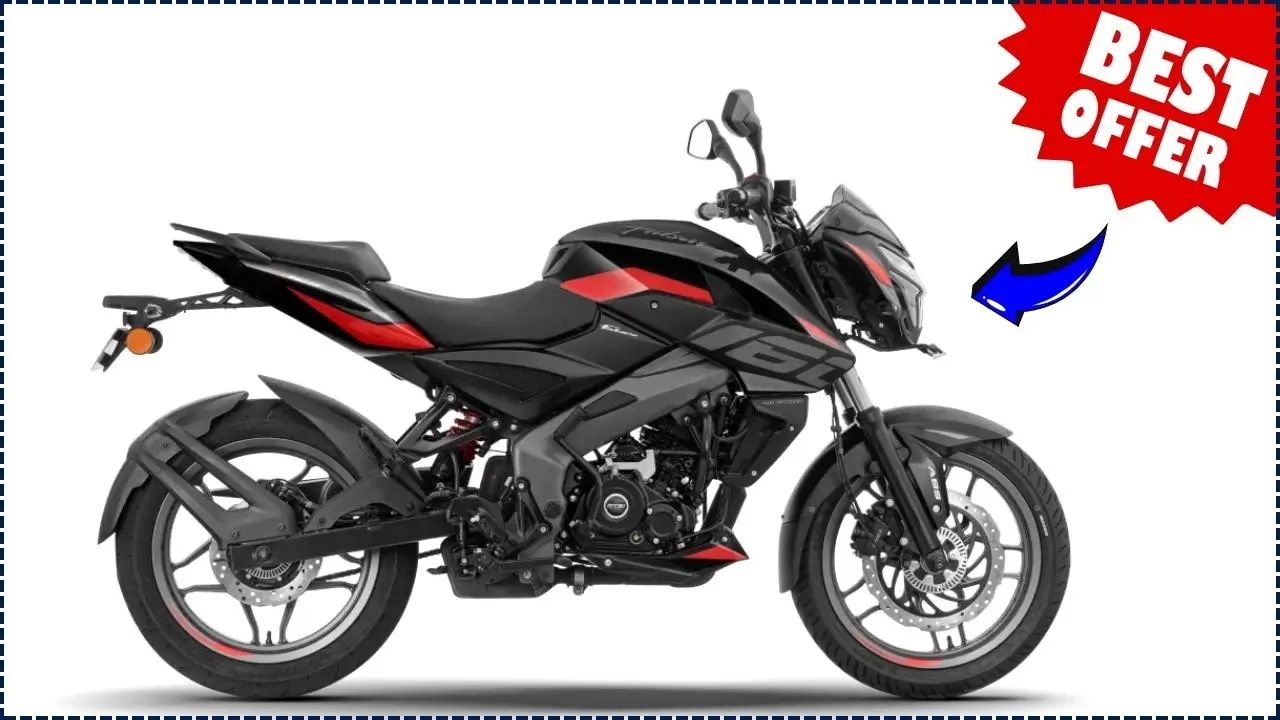
The decision reflects rising production costs and feature upgrades, but despite the increases, the Pulsar series continues to offer strong value in India’s competitive motorcycle market.
Table of Contents
Bajaj Pulsar Series 2026
| Key Fact | Detail | Context |
|---|---|---|
| Price Increase Range | ₹461 – ₹1,460 | Across select models |
| Biggest Hike | Pulsar NS125 (Base) | ₹1,460 increase |
| Models Affected | 125cc to 400cc range | Majority of lineup |
| Reason | Rising production costs | Industry-wide trend |
Bajaj Pulsar Series 2026 Price Hike: What Changed?
The Bajaj Pulsar series has undergone an official price revision in 2026. This adjustment affects models from the 125cc entry-level segment to the 400cc performance bikes. The price hike is necessary to cover increased costs stemming from:
- Raw material price inflation
- Regulatory updates (such as stricter emissions standards)
- New technology and feature upgrades
Price Increase Across Models
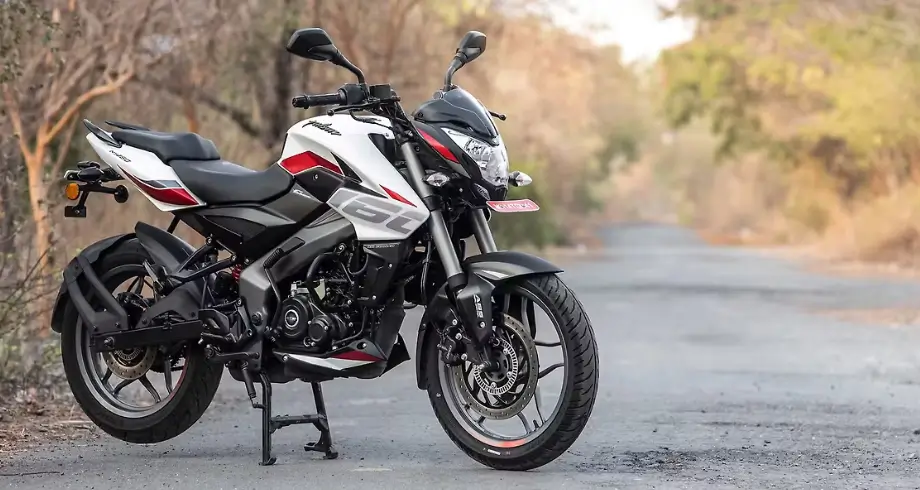
Here’s a look at how each model’s pricing has been impacted:
- Pulsar 125: Increased by ₹778–₹1,020 depending on variant
- Pulsar NS125: Significant price hike of ₹1,460 for the base variant
- Pulsar N160 and Pulsar 150: Increment by ₹702
- Pulsar NS160 and NS200: Price hike by ₹702 to ₹820
- Pulsar RS200: ₹720 increase
- Pulsar NS400Z: ₹1,036 rise
Model-Wise Price Hike Breakdown
Entry-Level Segment (125cc Range)
- Pulsar 125: Prices increased by ₹778 to ₹1,020 depending on variant
- Pulsar NS125:
- The base variant saw a ₹1,460 increase
- Other variants saw increases of ₹461–₹555
The Pulsar 125 is a popular entry-level commuter, and the NS125 is one of Bajaj’s highest-selling models in the segment. The significant hike in the NS125’s base price reflects the growing demand for entry-level performance motorcycles.
Mid-Segment (150cc–160cc Range)
- Pulsar 150: No major price changes in most variants
- Pulsar N160: Base variant increased by ₹702
- Pulsar NS160: Also saw a price increase of ₹702
For the 150cc and 160cc variants, Bajaj kept the price hike relatively modest to maintain competitiveness in the commuter segment. The N160 and NS160 remain strong contenders in their category.
Performance Segment (200cc–400cc Range)
- Pulsar RS200: Price increased by ₹720
- Pulsar 220F: Increased by ₹696
- Pulsar N250: Hike of ₹820
- Pulsar NS400Z: ₹1,036 increase
The higher-end models, such as the Pulsar NS400Z and Pulsar N250, saw smaller increases, which suggests that Bajaj wants to preserve the appeal of its more powerful motorcycles while managing production costs.
Why Did Bajaj Increase Prices in 2026?
1. Rising Production Costs
Like many manufacturers, Bajaj is grappling with the rising costs of materials, including steel, aluminum, and electronic components. These cost increases are often passed on to the consumer to maintain profitability.
2. Additional Feature Upgrades
Bajaj has implemented several new features to keep the Pulsar series relevant in the market:
- LED lighting
- Updated digital consoles
- Fresh graphics and styling
These upgrades are in line with growing customer expectations and the increasing demand for technologically advanced motorcycles in the market.
3. Stricter Regulations
India’s transition to OBD-2 norms and the introduction of stricter emission standards have added to the manufacturing costs. Bajaj has had to invest in R&D and updated systems to comply with these regulations, contributing to the price increases.
Impact on Buyers: Should You Be Concerned?
While any price hike can raise concerns, experts suggest the impact on buyers will likely be minimal. Here’s why:
- The price hike is modest, typically under ₹1,500 for most variants.
- Pulsar bikes still offer strong value for money, especially when compared to rivals in the same segment.
- Bajaj’s brand strength and the established popularity of the Pulsar line-up ensure that the bikes remain attractive to buyers.
Despite the price adjustment, Pulsar models continue to represent some of the best performance-to-price ratios in the Indian market, especially for younger buyers and commuters.
How Pulsar Compares After the Price Hike
Even after the price hikes, Pulsar motorcycles are likely to remain highly competitive against other brands such as:
- TVS Apache series
- Hero Xtreme
- Yamaha FZ series
Bajaj has managed to balance performance, reliability, and affordability, ensuring its motorcycles are suitable for a wide range of customers. Pulsar’s extensive lineup of variants ensures there is something for every rider—from commuters to performance enthusiasts.
Long-Term Strategy: What’s Next for Pulsar?
Bajaj’s Pulsar series has been a dominant force in India since its inception in 2001. As we look to the future, the company is likely to focus on several key areas:
- Expansion of the Pulsar range to include more variants and models, especially with electric motorcycles and hybrids in the pipeline.
- Connected technology such as Bluetooth-enabled digital displays and smart features for a more interactive riding experience.
- Stronger performance and better fuel efficiency with upcoming models.
By focusing on new technology, competitive pricing, and expanding the range, Bajaj plans to keep Pulsar at the forefront of the motorcycle market in India and beyond.
Related Links
Hero Vida V2 Launch: Updated Range, New Features and 2026 Pricing
The Bajaj Pulsar Series 2026 price hike is a relatively small adjustment across the brand’s entire motorcycle lineup. With increases ranging from ₹461 to ₹1,460, the decision reflects rising production costs and the inclusion of new features in the bikes. For customers, the price increase will have a limited impact on their purchasing decisions, as Pulsar bikes continue to offer strong value for money.
Looking ahead, Bajaj will likely continue to innovate within the Pulsar lineup, introducing new features and models to keep the brand competitive in India’s crowded motorcycle market.
FAQs
Q1: How much did Pulsar prices increase in 2026?
Prices increased between ₹461 and ₹1,460 depending on the model.
Q2: Which Pulsar saw the biggest price hike?
The Pulsar NS125 base variant saw the highest increase of ₹1,460.
Q3: Did all Pulsar models get expensive?
Most models saw a price increase, but some variants like Pulsar 150 remained unchanged.
Q4: Will this affect sales?
Experts suggest the impact will be minimal due to small price increases.