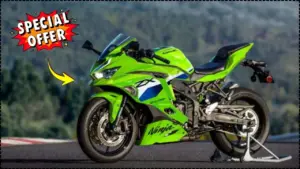

The Kawasaki Ninja ZX-4RR is driving a notable shift in the global motorcycle market, as riders increasingly favor high-revving, small-capacity inline-four engines over larger twin-cylinder designs. With a redline approaching 16,000 RPM and track-focused engineering, the model reflects changing rider priorities centered on engagement, control, and accessible performance.
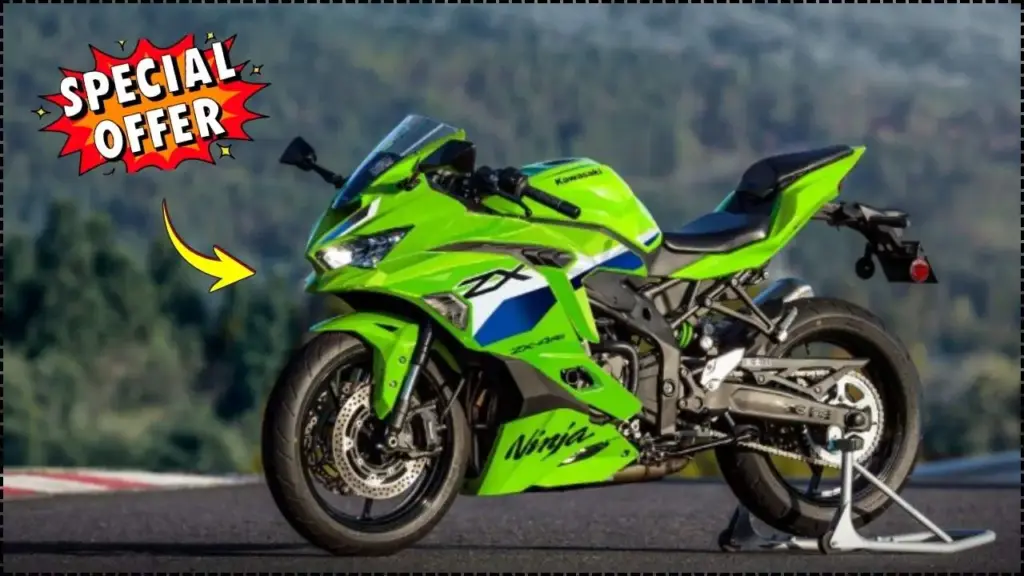
Table of Contents
Kawasaki Ninja ZX-4RR
| Key Fact | Detail | Context |
|---|---|---|
| Engine type | 399cc inline-four | Rare in modern segment |
| Redline | ~15,000–16,000 RPM | Class-leading |
| Power output | ~75–77 hp | High for 400cc |
| Market trend | Shift toward engagement-focused bikes | Global |
The Kawasaki Ninja ZX-4RR represents a significant shift in the global motorcycle landscape, emphasizing engagement, precision, and high-revving performance. While it may not replace twin-cylinder bikes, it has reintroduced a compelling alternative that resonates with modern riders. As the industry evolves, the ZX-4RR could mark the beginning of a new era in small-capacity performance motorcycles.
Kawasaki Ninja ZX-4RR and the Return of the Inline-Four
The Kawasaki Ninja ZX-4RR represents a revival of a once-dominant engine philosophy. During the 1980s and 1990s, small-displacement inline-four motorcycles were common in Japan and other markets, prized for their high-revving performance and racing pedigree.
Over time, manufacturers transitioned toward twin-cylinder engines due to:
- Lower production costs.
- Simpler engineering.
- Stronger low-end torque.
- Easier compliance with emissions standards.
The ZX-4RR reverses that trend by reintroducing a compact inline-four engine in a segment long dominated by twins. Industry observers view this as both a technological statement and a response to enthusiast demand for more engaging machines.
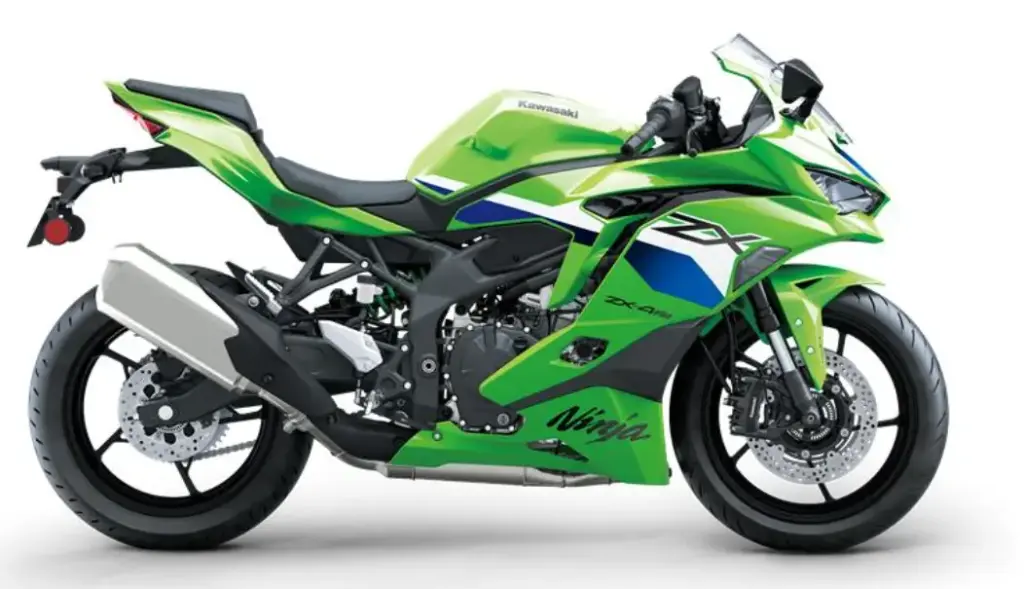
The 16,000 RPM Experience: Engineering Meets Emotion
High-Revving Architecture
At the heart of the ZX-4RR is a precision-engineered inline-four powertrain designed to operate at extremely high engine speeds. Key characteristics include:
- Power concentrated in upper RPM ranges.
- Peak output near 14,000 RPM.
- Redline approaching 16,000 RPM.
This configuration enables the engine to produce higher horsepower relative to its displacement while maintaining smooth power delivery.
Acoustic Identity and Rider Perception
The sound produced by a high-revving inline-four engine plays a significant role in its appeal. Engineers have tuned intake and exhaust systems to create a sharp, high-frequency tone associated with racing motorcycles. Rider surveys and reviews consistently highlight this auditory experience as a primary factor in the bike’s popularity.
Why Global Riders Are Choosing Inline-Fours
Engagement Over Convenience
Unlike twin-cylinder motorcycles that deliver immediate torque, the ZX-4RR requires riders to actively manage engine speed and gear selection. This results in:
- Greater rider involvement.
- Enhanced skill development.
- More dynamic riding experience.
Motorcycle trainers note that such characteristics can improve rider technique, particularly in track environments.
Real-World Performance Accessibility
While liter-class motorcycles often exceed practical road limits, the ZX-4RR offers performance that can be utilized more frequently.
- Moderate displacement limits excessive speed.
- High rev range allows controlled acceleration.
- Lightweight chassis enhances maneuverability.
This balance makes it appealing to riders seeking performance without extreme risk.
Inline-Four vs Twin: A Technical and Cultural Divide
Twin-Cylinder Advantages
- Strong low-end torque.
- Lower manufacturing costs.
- Simpler maintenance.
Inline-Four Advantages
- Higher peak horsepower.
- Smoother power delivery.
- Broader rev range.
- Distinctive sound and feel.
The growing popularity of the ZX-4RR suggests a shift in rider preference toward experience-driven performance.
Competitor Landscape: Is a New Segment Emerging?
The ZX-4RR currently occupies a relatively unique position in the global market. However, analysts expect competitors to respond.
Potential Industry Response
- Expansion of high-performance small-displacement models.
- Development of hybrid twin-inline configurations.
- Increased focus on premium entry-level sportbikes.
Manufacturers in Japan and Europe are closely monitoring consumer response.
Ownership Economics: Cost vs Value
Purchase Price
The ZX-4RR typically commands a higher price than twin-cylinder competitors due to:
- Complex engine design.
- Advanced electronics.
- Premium suspension components.
Running Costs
- Fuel consumption may be higher at sustained high RPM.
- Maintenance complexity increases with engine sophistication.
- Insurance costs remain moderate due to displacement.
Despite these factors, buyers often justify the cost based on performance and uniqueness.
Regulatory Pressures and Engineering Challenges
Emissions Compliance
High-revving engines face stricter emissions challenges due to:
- Increased fuel consumption at high RPM.
- Higher combustion temperatures.
Manufacturers must balance performance with environmental regulations, particularly in Europe and Asia.
Noise Regulations
The distinctive sound of inline-four engines may also face regulatory scrutiny in some regions.
Rider Demographics: Who Is Buying the ZX-4RR?
Industry data and dealer insights suggest a diverse buyer profile:
- Experienced riders downsizing from larger bikes.
- Younger enthusiasts entering the supersport category.
- Track-day riders seeking lightweight performance machines.
This broad appeal has contributed to the model’s global attention.
Market Impact: Redefining the 400cc Segment
The ZX-4RR is influencing how manufacturers and consumers view small-displacement motorcycles.
Key Trends
- Rising demand for premium small-capacity bikes.
- Increased focus on performance over affordability.
- Growing interest in track-capable entry-level machines.
Analysts suggest this could lead to a redefinition of the “beginner bike” category.
Risks and Limitations
Limited Low-End Torque
The engine’s high-revving nature results in reduced torque at lower speeds, requiring frequent gear changes.
Niche Appeal
The bike is designed for enthusiasts and may not suit riders seeking comfort or practicality.
Higher Cost
Price positioning may limit accessibility compared to simpler alternatives.
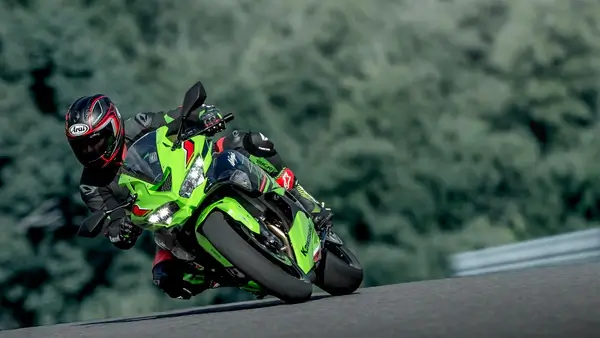
Expert Perspectives
Motorcycle industry analysts describe the ZX-4RR as a “category disruptor.” “This model challenges the assumption that small-displacement bikes must prioritize simplicity,” said a senior analyst at a global mobility research firm. However, some experts caution that the long-term success of this segment will depend on affordability and regulatory constraints.
Cultural Significance: Nostalgia Meets Innovation
The ZX-4RR taps into a sense of nostalgia among riders familiar with earlier generations of high-revving sportbikes. At the same time, it introduces these characteristics to a new audience. This combination of heritage and modern engineering has helped differentiate the model in a crowded market.
Related Links
Yamaha Aerox-E 2026: Sporty Electric Performance Coming to India This Summer
Ola Killer? Ather EL01 Electric Scooter Expected to Debut at ₹99,000 This June
Future Outlook: What Comes Next?
Industry observers expect several developments:
- Increased competition in the small inline-four segment.
- Integration of hybrid and electric technologies.
- Continued emphasis on rider engagement.
The ZX-4RR may serve as a blueprint for future models that prioritize experience over raw displacement.
FAQs
Is the ZX-4RR suitable for everyday use?
Yes, but its performance-focused design may be less comfortable for daily commuting compared to standard motorcycles.
Why is the engine so complex?
Inline-four engines require more components but deliver smoother and higher-revving performance.
Will other brands follow this trend?
Industry analysts expect increased competition if demand remains strong.