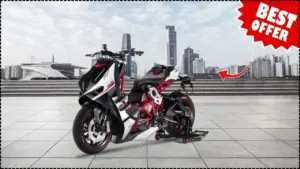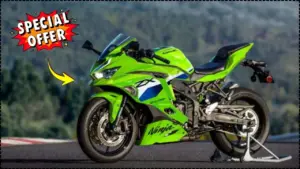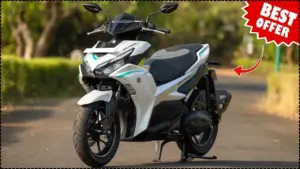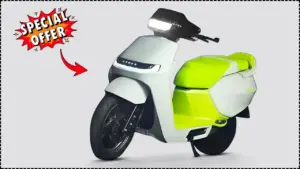

As the automotive and motorcycle industries move toward cleaner alternatives, Kawasaki and Yamaha are placing their bets on hydrogen combustion engines (HICEs) in 2026, taking a route different from their competitors, who have largely embraced electric motorcycles. Both manufacturers see hydrogen combustion technology as a key innovation for the future, promising a unique blend of traditional engine performance and zero-emission benefits.
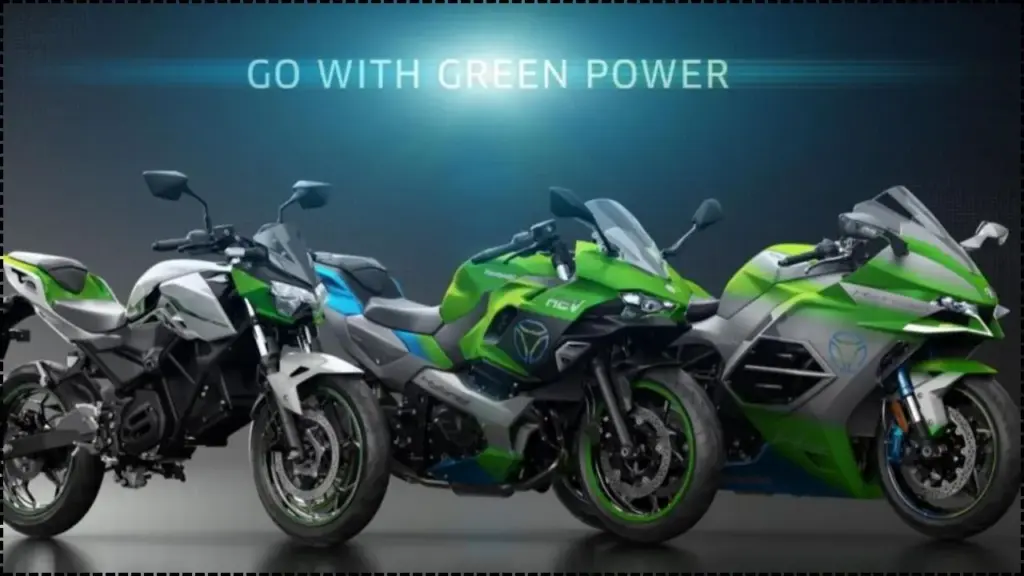
While many are racing to develop electric motorcycles (EVs), Kawasaki and Yamaha’s investment in hydrogen highlights their belief that it offers a middle ground for motorcycle enthusiasts who want performance, range, and familiarity—all with significant environmental benefits.
Table of Contents
The Appeal of Hydrogen Combustion Engines
The push for electric motorcycles is driven by global pressure to reduce carbon emissions and dependence on fossil fuels. Electric motorcycles offer zero tailpipe emissions and smooth, instant torque, but their limitations, such as range anxiety, long charging times, and the environmental cost of battery production, have sparked interest in alternative solutions like hydrogen combustion.
Hydrogen vs. Electric: Key Advantages
| Factor | Electric Motorcycles | Hydrogen Combustion Motorcycles |
|---|---|---|
| Power Source | Rechargeable lithium-ion batteries | Hydrogen stored in pressurized or liquid form |
| Charging/Refueling Time | Slow charging (30 minutes to hours) | Quick refueling (under 5 minutes) |
| Emissions | Zero tailpipe emissions (except for electricity generation) | Zero tailpipe emissions (water vapor and heat) |
| Infrastructure | Extensive charging networks in developed areas | Limited hydrogen refueling stations globally |
| Range | Limited range (typically 60-150 miles) | Longer range due to hydrogen’s energy density |
| Riding Experience | Instant torque, smooth acceleration | Retains traditional engine feel, performance characteristics |
Kawasaki’s Hydrogen Combustion Vision
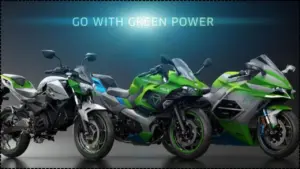
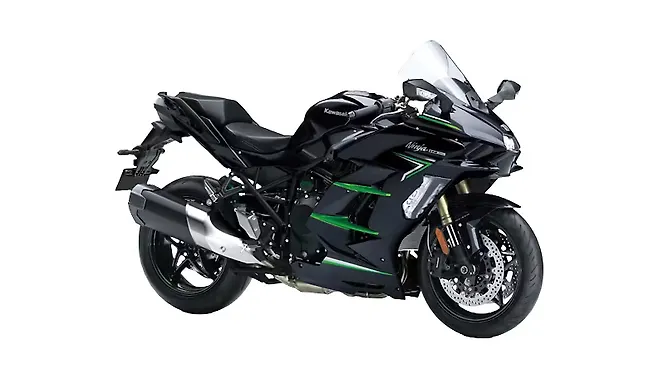
Kawasaki Heavy Industries has emerged as one of the key players in hydrogen-powered motorcycles, revealing their hydrogen prototype in 2026 based on the Ninja H2 SX platform. This hydrogen-powered prototype showcases Kawasaki’s high-performance motorcycles, combining traditional engine dynamics with a clean fuel alternative.
Kawasaki’s use of liquid hydrogen offers a significant advantage over electric batteries by ensuring lightweight, energy-dense storage while providing a familiar riding experience. Hydrogen combustion provides near-identical performance to gasoline engines but eliminates carbon emissions, making it a great option for riders who demand power without compromising the environment.
The company’s hydrogen-powered motorcycles, including the Ninja H2 SX Hydrogen prototype, feature modified fuel injection systems and are already undergoing test rides and track demos, signaling their readiness for market deployment.
Yamaha’s Long-Term Hydrogen Vision
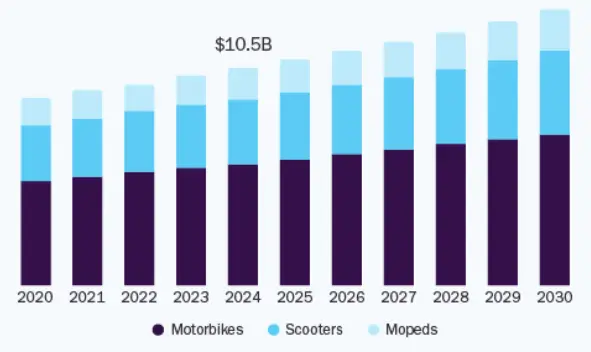
In parallel, Yamaha has been developing hydrogen-powered motorcycles, focusing on blending traditional combustion performance with cleaner energy. Yamaha has presented hydrogen combustion engine concept bikes at major events like the Tokyo Motor Show. These prototypes reflect the company’s vision for the future of small mobility solutions powered by hydrogen.
Yamaha is also part of the HySE (Hydrogen Small Mobility & Engine) collaborative project, a consortium that includes Honda, Kawasaki, and Suzuki to develop hydrogen combustion technology for motorcycles. Yamaha’s involvement underscores its commitment to hydrogen as a sustainable energy source for motorcycling’s future.
Challenges for Hydrogen Combustion Motorcycles
Despite their promise, hydrogen combustion motorcycles face several key challenges:
- Hydrogen Infrastructure: Refueling stations are still limited, with hydrogen production, storage, and distribution infrastructure still in the early stages of development. This makes hydrogen motorcycles less practical in many regions compared to the expanding network of electric charging stations.
- Production Costs: Hydrogen combustion motorcycles require specialized technology, including fuel tanks and injection systems. The high production costs for these systems could make hydrogen motorcycles more expensive than electric alternatives in the early years.
- Hydrogen Production: While hydrogen combustion engines produce zero tailpipe emissions, the method of producing hydrogen fuel itself can sometimes be carbon-intensive. The shift toward green hydrogen produced via renewable energy is essential for these bikes to meet environmental expectations fully.
Related Links
The Return of a Legend: Production-Ready Tata Sierra EV Set for May 19 Launch with 500 KM Range
The Road Ahead: What’s Next for Hydrogen Combustion in Motorcycles?
As 2026 unfolds, hydrogen combustion motorcycles are poised to become an increasingly viable alternative to electric bikes, offering both range and performance advantages for riders. While electric motorcycles will likely remain dominant in urban commuting, hydrogen combustion engines are expected to fill a niche for performance enthusiasts and long‑distance riders.
Government support, further technological advances, and expanding infrastructure will be essential to making hydrogen combustion motorcycles a mainstream solution. Kawasaki and Yamaha’s investments in this technology highlight their belief in hydrogen as a complementary alternative to electric motorcycles in the evolving powersports landscape.
Hydrogen’s Role in the Future of Motorcycling
The move by Kawasaki and Yamaha into hydrogen combustion technology is setting the stage for a new era in motorcycling. Hydrogen combustion offers a unique alternative to electric vehicles, combining the performance of internal combustion with clean emissions.
As both companies continue to refine their hydrogen-powered motorcycles, the industry could see a broader push toward a more diverse, sustainable future for powersports, with hydrogen complementing electric technology as a key part of the mix.