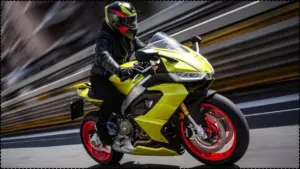

For decades, the sound of screaming superbikes has been one of the most thrilling aspects of motorcycle culture in Europe. The distinctive growl of V-twin engines and the high-revving inline-four engines have long symbolized speed and performance. However, with the introduction of Euro 5+ regulations in 2026, the iconic roar of European superbikes may be silenced.
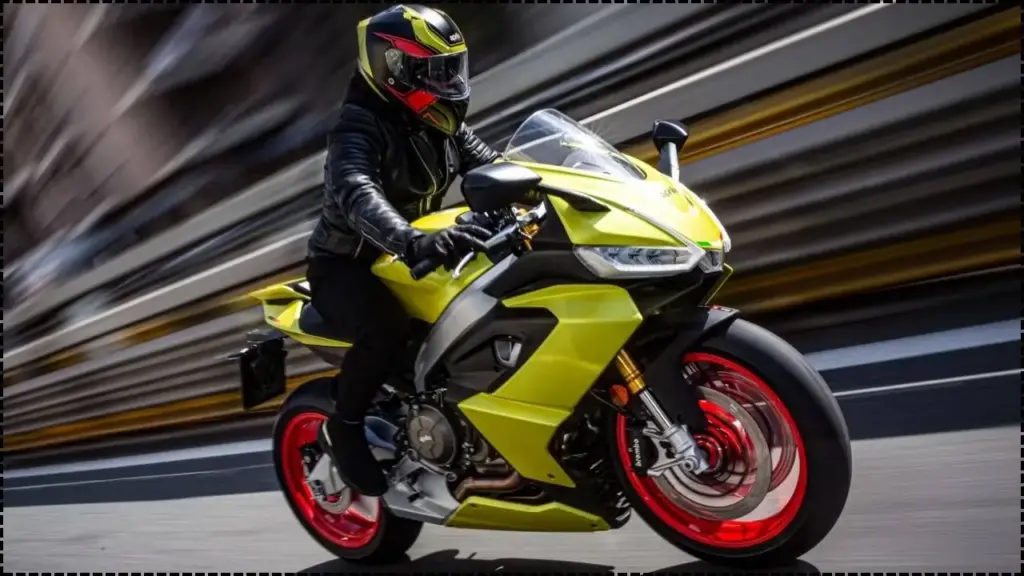
These strict emissions standards, which build on the Euro 5 regulations, are pushing manufacturers to redesign their exhaust systems and reduce the emissions footprint of their motorcycles, which is impacting the performance and sound of the engines.
Euro 5+ aims to ensure that motorcycles meet emissions requirements throughout their lifecycle, not just when they’re first manufactured. This challenge is forcing manufacturers to balance environmental compliance with the traditional performance characteristics that enthusiasts cherish.
Table of Contents
The Impact of Euro 5+ on Exhaust Sound and Performance
What Euro 5+ Means for Superbike Sound
The shift to Euro 5+ brings tighter controls on noise emissions alongside the environmental requirements. The regulations mandate that all new motorcycles must pass real-world emissions tests, meaning the sound and power output must be measured more accurately. Additionally, noise limits, though not explicitly set, are likely to become more restrictive as the EU tightens its environmental standards across all vehicles.
To comply with these standards, manufacturers must equip their superbikes with larger catalytic converters, more complex exhaust systems, and advanced sensors that monitor emissions and performance over time. These technologies, while effective in reducing pollutants, also have the unfortunate side effect of dampening the exhaust sound — the unmistakable roar that defines the superbike experience.
As a result, riders may notice that their favorite superbikes have become quieter, with some fans already mourning the loss of the aggressive engine notes that have long characterized the genre.
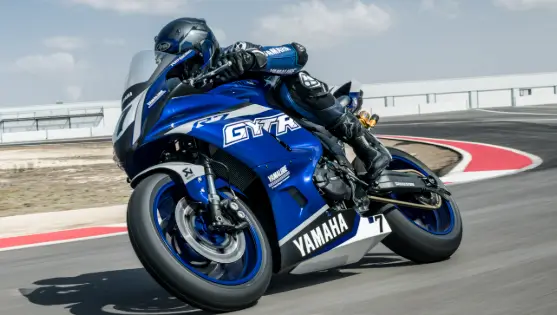
The Emotional Impact on Riders: Will the Scream Fade?
For many riders, the sound of their motorcycle is more than just a feature — it’s a symbol of freedom and a core part of the riding experience. As the Euro 5+ regulations limit noise, manufacturers face the challenge of preserving the emotional connection riders have with their machines.
The Role of Exhaust Sound in Superbike Culture
Motorcycle enthusiasts have long revered the visceral experience of twist-grip throttles and the roar of high-performance engines. The sound is a defining feature of the superbike experience, and for many riders, it creates an almost spiritual connection to the bike. Riders often consider the exhaust note a reflection of their bike’s soul — it’s part of what makes a motorcycle thrilling.
The Scream Could Fade
The quieter future of superbikes under Euro 5+ raises the question: will these quieter engines change the soul of motorcycling? As electric motorcycles rise in popularity, will internal combustion motorcycles be reduced to mere transportation devices with no emotional depth? These are pressing questions for riders who have long been accustomed to the thunderous sound that accompanies high-speed thrills.
Innovation in Motorcycle Design: Keeping the Spirit Alive
While Euro 5+ norms challenge manufacturers to meet stringent noise and emission regulations, it also pushes them to innovate. Motorcycle manufacturers are not simply silencing their engines — they are finding creative solutions to balance sound control and performance.
Active Exhaust Systems
Some manufacturers are turning to active exhaust valve systems that adjust the exhaust flow based on the bike’s throttle position. This allows the bike to be quieter at low speeds or during idling while maintaining a more aggressive sound at high RPMs.
Engine and Exhaust Design Innovations
To meet Euro 5+ emissions standards while keeping performance intact, manufacturers are using advanced engine management systems and sophisticated fuel injection technologies. These systems dynamically adjust the combustion process, providing cleaner emissions while still maximizing engine output.
Moreover, manufacturers like Ducati and BMW are investing in hybrid solutions and hydrogen-powered motorcycles as potential alternatives to the conventional internal combustion engine. These technologies offer the potential to preserve the performance characteristics of motorcycles while reducing emissions.
Electric Superbikes: The Quiet Revolution
With the increasing stringency of emissions regulations, many manufacturers have begun focusing on electric motorcycles (EVs) as the future of performance motorcycling. Electric superbikes like the Energica Ego and Harley-Davidson LiveWire offer an entirely different riding experience — one that is smooth, powerful, and, most notably, silent.
The shift to electric technology means that riders can still enjoy thrilling performance and instant torque, but without the characteristic roar of traditional engines. These electric bikes may become a growing segment in the industry as riders embrace the idea of silent performance. However, sound-conscious riders may find that electric motorcycles lack the same emotional connection that traditional combustion engines provide.
Related Links
The Return of a Legend: Production-Ready Tata Sierra EV Set for May 19 Launch with 500 KM Range
A Global Shift Toward Cleaner, Quieter Motorcycles
Although Euro 5+ applies mainly to Europe, the regulation has ripple effects on the global motorcycle industry. As other regions adopt stricter environmental regulations, we may see similar policies emerge elsewhere, from Japan to North America. These changes could push manufacturers toward cleaner and quieter technologies worldwide, ultimately transforming the sound and experience of superbikes on a global scale.
The Rise of Hybrid and Hydrogen Motorcycles
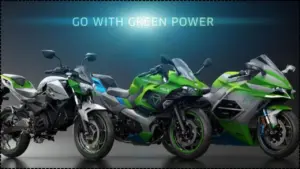
To bridge the gap between electric and combustion engines, hybrid and hydrogen-powered motorcycles are emerging. These technologies combine the benefits of cleaner energy with the traditional internal combustion engine experience, offering the potential to preserve performance and sound while meeting emissions standards.
What’s Next for Riders and the Market?
As the superbike industry adapts to Euro 5+ regulations, riders will need to embrace a future where performance, sound, and sustainability are balanced. Manufacturers will continue to innovate, developing new technologies to meet these demands.
The emotional connection between riders and their bikes may evolve, but it will undoubtedly remain strong. Whether through electric bikes, hybrid systems, or advanced combustion engine technologies, the future of motorcycling will continue to be defined by thrills — even if those thrills are quieter than before.