
The Trans-America Trail (TAT) presents one of the most exhilarating off-road challenges in North America, covering up to 5,000 miles across varied terrain. For riders planning to take on this incredible journey, choosing the right motorcycle is essential.
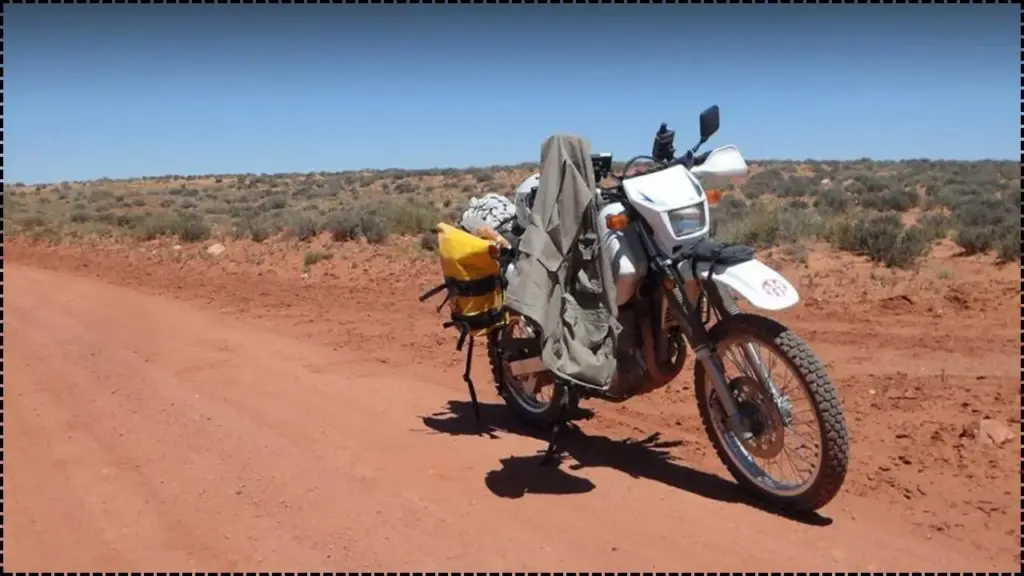
From light dual-sport bikes to rugged adventure models, these five motorcycles stand out for their reliability, off-road performance, and comfort on long-haul rides.
Table of Contents
The Trans-America Trail (TAT)
| Motorcycle | Key Feature | Why It’s Perfect for TAT |
|---|---|---|
| Suzuki DR650 | Lightweight, simple design | Great for rough terrain with easy maintenance |
| Yamaha Ténéré 700 | Balanced power and off-road capability | Perfect for mixed terrain, offering comfort and durability |
| Honda XR650L | Rugged and simple mechanics | Reliable for long, remote stretches, easy repairs |
| KTM 690 Enduro | Powerful and lightweight off-road champion | Ideal for tough, technical sections and rough trails |
| Kawasaki KLR650 | Comfortable and well-balanced | Provides excellent fuel range and comfort for extended travel |
What is the Trans-America Trail?
The Trans-America Trail (TAT) is an iconic motorcycle adventure route, spanning from the eastern United States to the western Pacific coast. At over 5,000 miles, the trail stretches through diverse landscapes, including mountains, deserts, forests, and expansive open plains.
Originally developed by Sam Correro in the mid-1980s, it offers riders a challenging and rewarding journey, with a mix of paved and unpaved roads that test both man and machine.
Key Points of the TAT:
- Distance: Approximately 4,200 to 5,000 miles, depending on the route.
- Terrain: A mix of dirt roads, rocky paths, river crossings, and some tarmac sections.
- Difficulty: Ranges from easy dirt roads to technical off-road challenges.
Why the Right Motorcycle Matters for the TAT
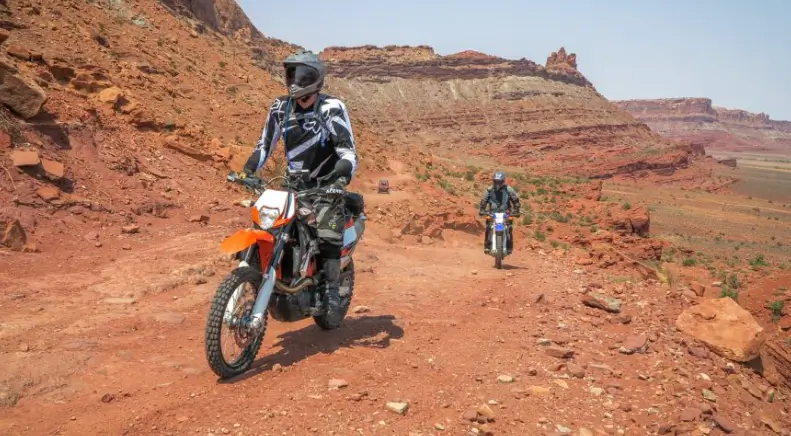
The TAT requires a motorcycle that can handle long distances, diverse terrain, and the occasional mechanical hiccup. Riders need a bike that balances off-road prowess with comfort for long hours in the saddle. While the TAT is accessible to riders of various skill levels, the correct motorcycle makes a significant difference.
Key Criteria for Selecting a TAT Motorcycle:
- Off-Road Capability: The bike should be able to handle sand, gravel, rocks, mud, and other challenging surfaces.
- Fuel Range: With long stretches between gas stations, a large fuel tank or the ability to carry extra fuel is essential.
- Comfort: Riding long distances on rough terrain requires comfort to avoid fatigue.
- Reliability: Remote sections of the trail demand a bike that won’t fail easily and can be repaired with basic tools.
The Top 5 Motorcycles for the Trans-America Trail
- Suzuki DR650
A long-time favorite for off-road enthusiasts, the Suzuki DR650 is lightweight, simple, and exceptionally durable. Its single-cylinder engine delivers enough power for dirt and gravel roads, while its simplicity makes it easier to repair in remote areas. Riders appreciate its ability to take a beating, making it an ideal companion for the rugged sections of the TAT. - Pros:
- Easy to maintainAdequate power for most terrainsLightweight and maneuverable
- Less comfortable on highways for extended rides
- Minimal power compared to larger adventure bikes
- Yamaha Ténéré 700
Known for its balance of off-road performance and on-road comfort, the Yamaha Ténéré 700 excels on the mixed terrain of the TAT. It has a larger engine than the DR650, offering more power for highway stretches without sacrificing off-road capability. The bike’s suspension system makes it ideal for both fast dirt trails and technical sections. - Pros:
- Comfortable for long ridesStrong off-road capabilitiesReliable and modern features
- Heavier than smaller dual-sport bikes
- Higher price tag
- Honda XR650L
The Honda XR650L is a time-tested dual-sport motorcycle, renowned for its reliability. Its air-cooled engine provides consistent power, and its long-travel suspension makes it an excellent choice for rough trails. While heavier than some competitors, its rugged build is perfect for the TAT’s challenging conditions. - Pros:
- Exceptional reliabilityHigh durability for long distancesSimple, easy-to-service design
- On the heavier side for some riders
- Less powerful than modern adventure bikes
- KTM 690 Enduro
For riders who prioritize off-road performance, the KTM 690 Enduro is an outstanding choice. Lightweight, powerful, and equipped with a top-tier suspension system, the 690 Enduro handles the most technical trails with ease. Its off-road capabilities make it a preferred option for the tougher sections of the TAT, though its higher maintenance demands might deter some. - Pros:
- Outstanding off-road capabilityLightweight for technical terrainHigh-quality suspension and performance
- More complex maintenance
- Less comfortable for extended on-road riding
- Kawasaki KLR650
A favorite among adventure riders, the Kawasaki KLR650 is a well-rounded bike that can handle both off-road challenges and long highway sections. It offers excellent fuel range, making it a great option for remote stretches of the TAT. While it is heavier than some of the other bikes, its comfort and reliability over long distances make it a strong contender. - Pros:
- Great fuel rangeComfortable for extended ridesDependable and robust
- Heavy compared to lighter dual-sport models
- Less nimble in tight off-road conditions
Choosing the Right Motorcycle Based on Your Experience
The right bike often depends on the rider’s experience level and personal preferences. Beginners may prefer the simplicity of the Suzuki DR650 or Honda XR650L, which are forgiving and easy to handle.
For more experienced riders who want a challenge and are comfortable with maintenance, the KTM 690 Enduro or Yamaha Ténéré 700 may be ideal for handling difficult off-road sections.
Additional Factors to Consider:
- Maintenance: Ensure the bike you choose has accessible parts and service options. Remote areas may not have expert technicians, so a bike that’s easy to repair and maintain on the fly is critical.
- Luggage & Gear: Some motorcycles are better suited for carrying extra gear. Choose a bike that allows for ample storage space, as the TAT demands that riders carry essential items, such as water, food, and tools.
- Rider Comfort: Comfort is key for long-haul riders. A bike with a comfortable seat, good ergonomics, and vibration reduction will help prevent fatigue over the thousands of miles.
Preparing for the TAT: Essential Tips
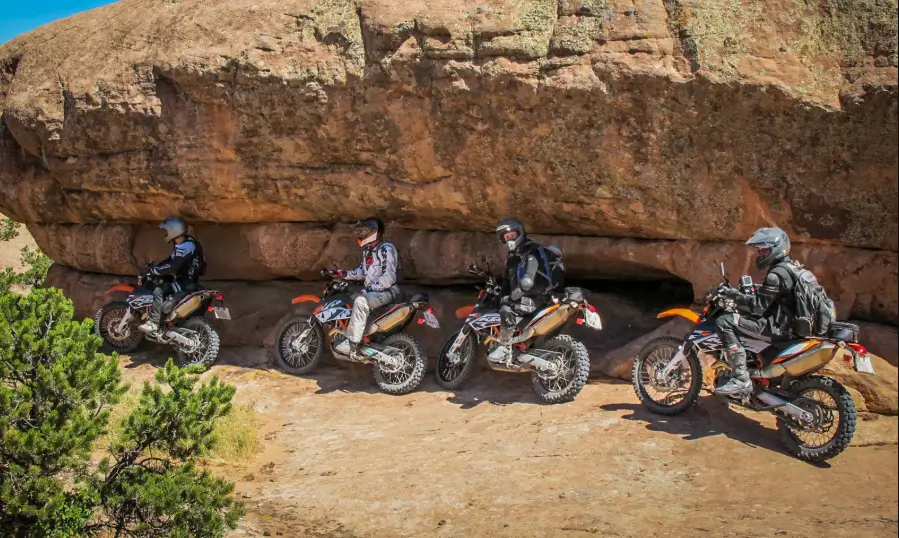
To successfully tackle the Trans-America Trail, riders must be prepared both physically and mentally. Here are some preparation tips:
- Physical Readiness: The TAT is physically demanding, requiring strength and stamina. Train for endurance, especially for long hours in the saddle.
- Gear and Supplies: Pack essential items like a first-aid kit, tools for basic repairs, extra fuel, and a satellite communicator for emergencies in remote areas.
- Route Planning: While the TAT is mapped, it’s essential to know the locations of fuel stations, campsites, and emergency services. Having a GPS and offline maps is critical.
- Weather Conditions: Prepare for a range of weather conditions, from the heat of the desert to the cold of the mountains. Dress in layers and bring waterproof gear.
Related Links
The Trans-America Trail offers riders the ultimate test of endurance, skill, and adventure. Selecting the right motorcycle for the TAT can significantly impact the overall experience, ensuring not only the ability to conquer the trail but also the safety and comfort of the rider.
Whether you choose the simplicity of the Suzuki DR650 or the rugged sophistication of the Yamaha Ténéré 700, each of these five motorcycles is built to endure the unique challenges of the TAT, ensuring an unforgettable journey.
Looking Ahead: The TAT continues to attract adventure riders from around the world, each eager to experience the diverse terrain and test their skills. The journey, while challenging, is one that rewards perseverance, planning, and the right equipment.