
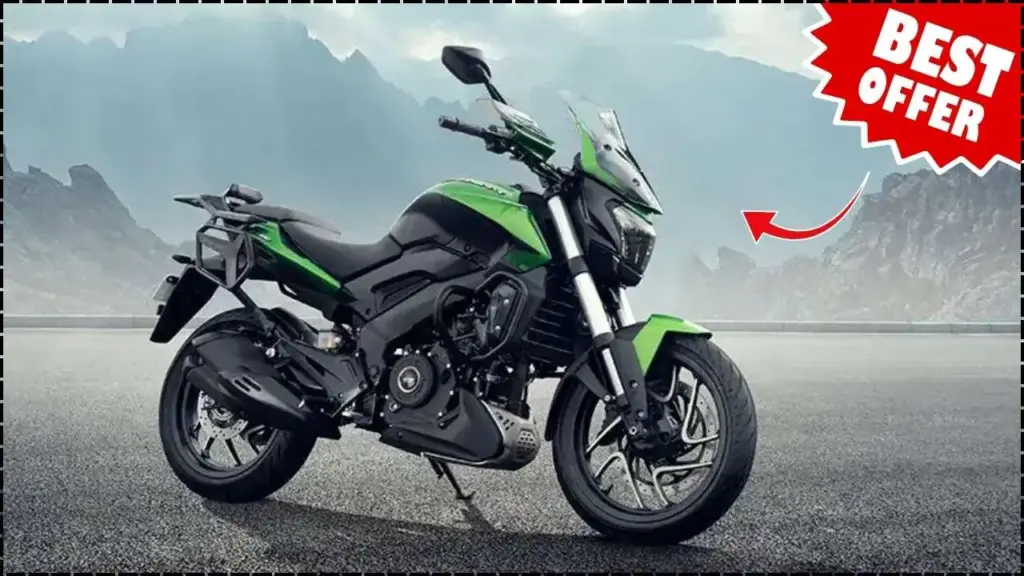
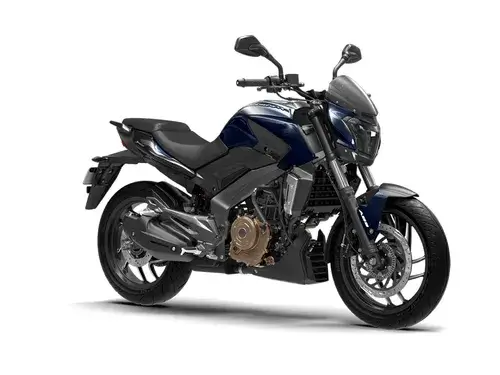
The Bajaj Dominar 400 Price Drop has significantly altered India’s mid-capacity motorcycle market, with Bajaj Auto reducing the bike’s price by around ₹37,000 after shifting to a sub-350cc engine.
The decision, driven by India’s Goods and Services Tax (GST) structure, highlights how regulatory frameworks are increasingly influencing engineering, pricing, and competition in the two-wheeler industry.
Table of Contents
Bajaj Dominar 400 Price Drop: What Changed
The defining change behind the new pricing is the reduction in engine displacement from 373cc to approximately 349cc. While the numerical difference appears small, it has substantial implications within India’s taxation system.
Motorcycles above 350cc fall into a higher GST bracket, attracting additional cess. By bringing the engine below this threshold, Bajaj has repositioned the Dominar into a significantly lower tax category. This shift has enabled a notable reduction in the motorcycle’s ex-showroom price, bringing it closer to the ₹2 lakh mark and making it more accessible to a wider segment of buyers.
How GST Policy Reshaped the Pricing Strategy
Tax Structure and Threshold Effect
India’s GST framework for two-wheelers creates a sharp divide:
- Above 350cc: GST plus compensation cess (effective ~40%)
- Below 350cc: Standard GST (~18%)
This threshold creates a strong financial incentive for manufacturers to remain below 350cc.
Industry Response
According to automotive analysts, Bajaj’s move reflects a broader industry trend. Manufacturers are increasingly aligning product specifications with tax regulations to optimise pricing. “Taxation is now a design parameter,” said an industry consultant familiar with vehicle pricing strategies. “Companies are not just engineering for performance, but also for regulatory efficiency.”
Performance Impact: Subtle but Measurable
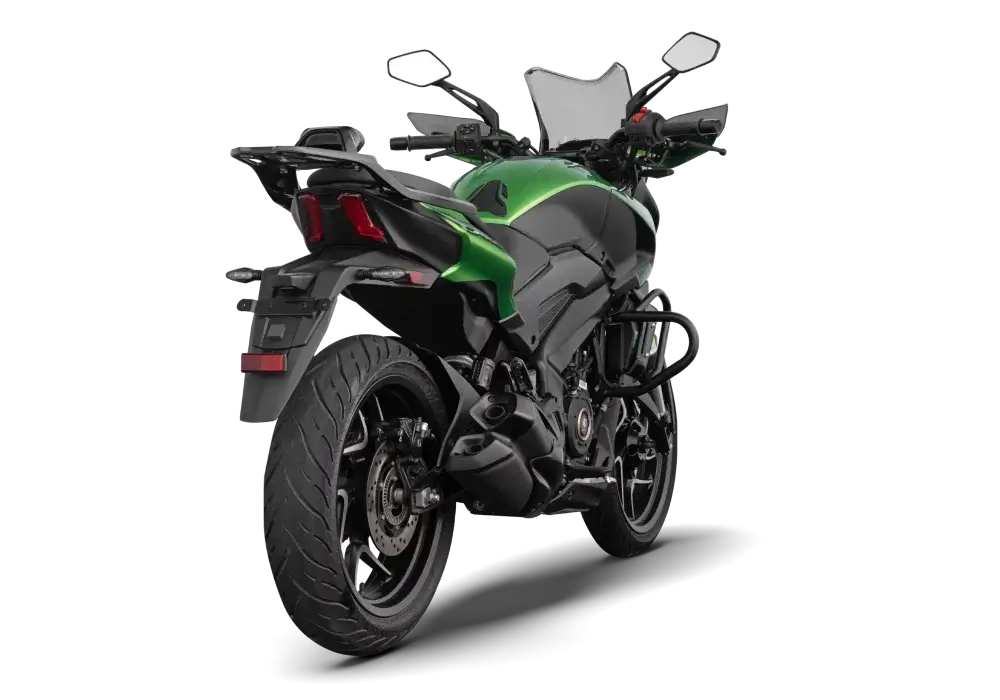
The reduction in engine capacity inevitably raises questions about performance. Early technical assessments suggest that Bajaj has managed to retain much of the Dominar’s performance profile.
Key Technical Changes
- Power output remains broadly consistent.
- Torque sees a slight reduction.
- Improved fuel efficiency expected
- Minor weight optimisation.
For most riders, particularly those focused on touring and long-distance comfort, these changes are unlikely to significantly affect usability. However, performance-focused users may notice marginal differences in acceleration and torque delivery.
Historical Context: Evolution of the Dominar
The Dominar series was first introduced as Bajaj’s flagship offering in the premium motorcycle segment. Over time, it has undergone multiple upgrades, including improvements in suspension, touring accessories, and engine refinement.
Initially positioned as a value-oriented alternative to higher-end performance bikes, the Dominar has consistently targeted riders seeking a balance between power, comfort, and affordability. The latest update represents one of the most significant strategic shifts in the model’s history, moving from performance-led positioning to value-driven optimisation.
Competitive Landscape: A More Aggressive Position
The price reduction places the Dominar in a stronger position within India’s highly competitive mid-capacity segment.
Key Competitor Categories
- 300–400cc performance motorcycles.
- Entry-level adventure touring bikes.
- Premium commuter motorcycles.
With its revised pricing, the Dominar now overlaps with several lower-displacement motorcycles, potentially attracting buyers who previously considered it beyond their budget.
Consumer Financing and Ownership Costs
The price drop has implications beyond the initial purchase.
Lower Financing Burden
- Reduced loan amounts for buyers.
- Lower monthly EMIs.
- Improved affordability for first-time premium bike buyers.
Insurance and Tax Benefits
Since insurance premiums often correlate with vehicle value, the reduced price may also lead to slightly lower insurance costs. Dealerships report that customers are increasingly factoring in total cost of ownership rather than just upfront price, making the Dominar’s new positioning more attractive.
Dealership and Market Response
Early feedback from dealerships indicates a rise in inquiries following the announcement. Sales personnel report increased interest from:
- Young professionals upgrading from 150–200cc bikes.
- Touring enthusiasts seeking value options.
- Buyers comparing multiple brands in the segment.
A dealership executive in North India noted that “the price correction has made the Dominar a more practical choice for many customers who were earlier considering smaller bikes.”
Export Market Implications
Bajaj Auto exports motorcycles to multiple international markets. The shift to a sub-350cc engine may also have implications for export pricing and regulatory compliance in other countries. In some markets, lower engine displacement can result in reduced import duties or licensing requirements, potentially improving the Dominar’s competitiveness abroad.
However, export strategies may vary depending on regional regulations and consumer preferences.
Broader Industry Impact
The Bajaj Dominar 400 Price Drop could influence broader trends within the two-wheeler sector.
Likely Industry Developments
- Increased focus on sub-350cc platforms.
- Greater alignment between engineering and tax policy.
- Intensified price competition in mid-capacity segment.
Other manufacturers may evaluate similar strategies, particularly in segments where price sensitivity remains high.
Policy Perspective: Role of GST in Product Design
The case of the Dominar illustrates how taxation policy can shape not just pricing, but also product design and market structure. Economists note that such threshold-based taxation can lead to “design distortions,” where products are engineered to meet regulatory limits rather than purely technical considerations. While this may benefit consumers in the form of lower prices, it also raises questions about long-term innovation and standardisation.
Consumer Perspective: Balancing Value and Identity
For buyers, the decision ultimately comes down to value. The Dominar continues to offer:
- Touring capability
- Premium styling
- Strong brand recognition
At the same time, the engine downsizing may influence perceptions among enthusiasts who associate higher displacement with performance. However, for a majority of practical users, the trade-off appears favourable, particularly given the significant price reduction.
Related Links
Honda Gold Wing vs BMW K 1600: Which Luxury Cruiser Offers Car-Like Comfort?
Hero Splendor Plus 2026: New Digital Features and Tech Upgrades for India’s Favorite Bike
Future Outlook: What Comes Next
The success of this strategy will depend on market response over the coming quarters. If sales increase significantly, it may validate the approach and encourage similar moves across the industry. Conversely, if buyers prioritise performance over pricing, manufacturers may need to reconsider such adjustments. Bajaj’s decision is likely to be closely watched by competitors, policymakers, and industry analysts alike.
The Bajaj Dominar 400 Price Drop represents a strategic convergence of engineering, taxation, and market positioning. By reducing engine capacity to fall within a lower GST bracket, Bajaj Auto has achieved a substantial price reduction without fundamentally altering the motorcycle’s purpose.
The move highlights the growing influence of regulatory frameworks on product development and underscores the importance of adaptability in a competitive market. As the industry evolves, such strategies may become increasingly common, reshaping both pricing dynamics and consumer expectations.