
India’s two-wheeler market continues to be one of the largest globally, driven by affordability and urban congestion. According to the Society of Indian Automobile Manufacturers (SIAM), scooters account for a major portion of urban two-wheeler sales due to ease of use and low operating costs.
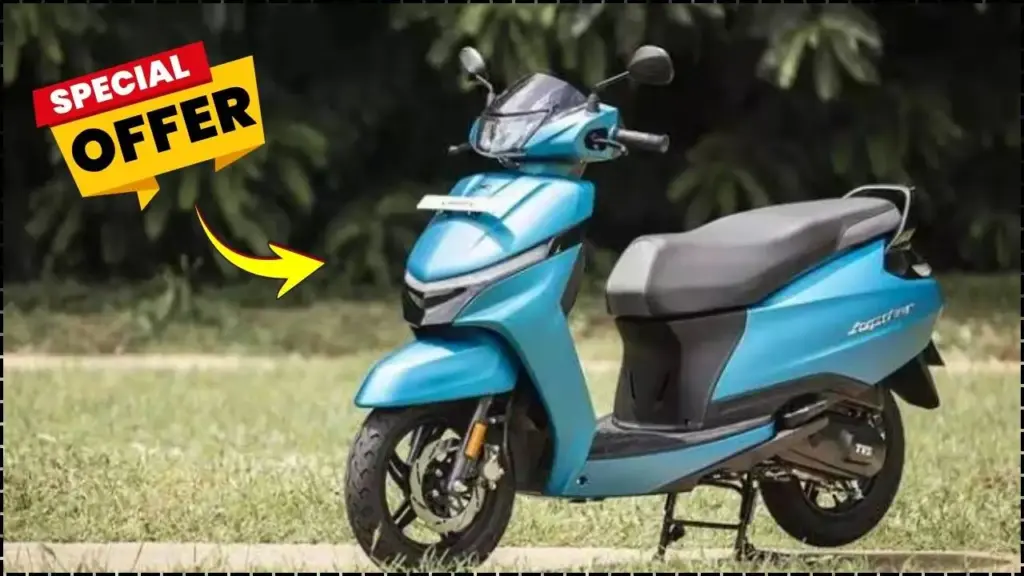
The TVS Jupiter 2026 enters a highly competitive category dominated by established models such as Honda Activa and Suzuki Access. Analysts say the segment is shaped by incremental improvements rather than disruptive innovation.
“Consumers in this category are highly value-sensitive,” said Ravi Bhatia, President at JATO Dynamics India. “Mileage, pricing, and reliability remain the three most important factors influencing purchase decisions.”
Table of Contents
Pricing Strategy and Affordability Analysis
The scooter’s base price of ₹73,400 positions it among the more affordable offerings in the 110cc segment. Higher variants, which include additional features such as digital connectivity and alloy wheels, command a higher price.
Estimated Cost Breakdown (Urban India)
- Ex-showroom price: ₹73,400
- Registration and insurance: ₹8,000–₹12,000
- On-road price: ₹85,000–₹95,000 (approx.)
Industry experts note that flexible financing options and low down payments have further improved accessibility for students and young professionals.
Mileage and Running Cost Economics
Fuel efficiency is central to the Jupiter’s appeal. With a claimed mileage of around 48 kmpl, the scooter offers relatively low daily operating costs.
Monthly Fuel Cost Estimate (Typical Student Use)
- Daily travel: 20 km
- Monthly distance: ~600 km
- Fuel required: ~12.5 litres
- Monthly fuel cost (₹100/litre): ~₹1,250
“Over a year, even marginal fuel efficiency gains translate into noticeable savings,” said Anil Sharma, an automotive analyst based in New Delhi.
Design, Ergonomics, and Practical Features
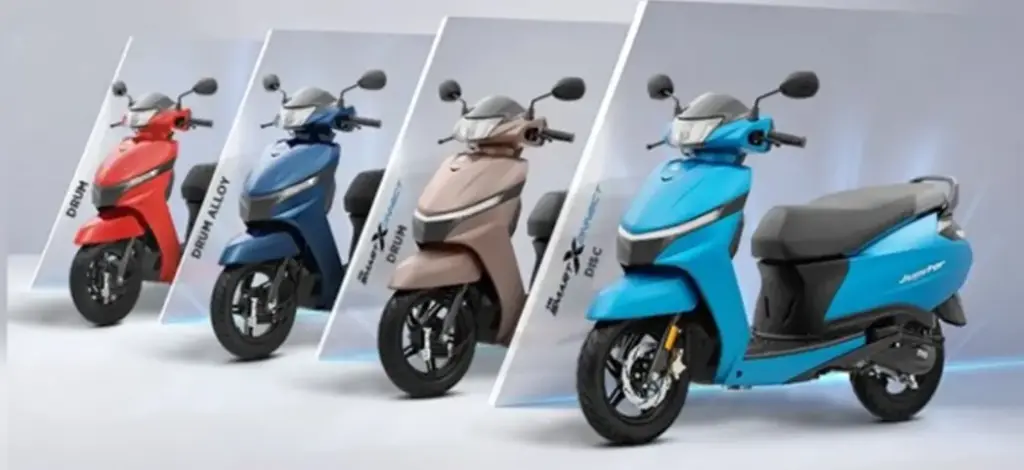
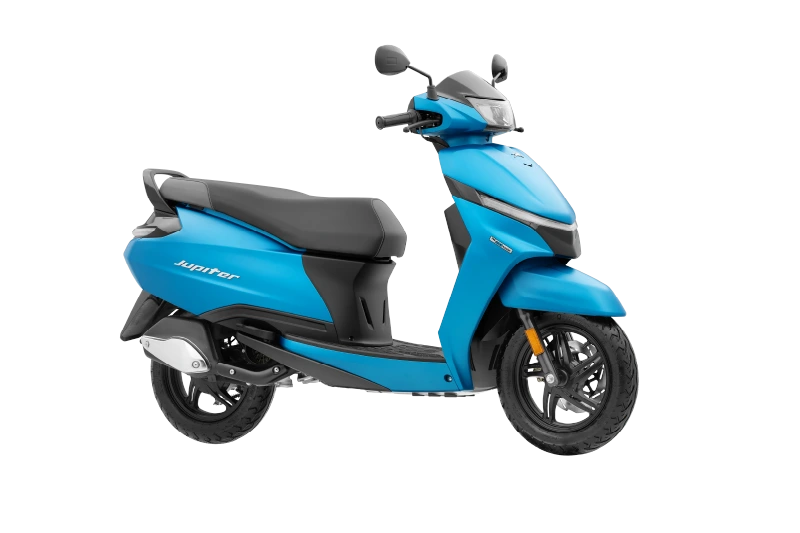
The TVS Jupiter 2026 continues its design philosophy of prioritising usability over aggressive styling. The scooter is built for comfort and convenience in daily commuting conditions.
Key Features
- External fuel filling for convenience
- Spacious under-seat storage
- Optional USB charging port
- Semi-digital or digital instrument console
- Comfortable seating for rider and pillion
According to TVS Motor Company, these features are designed based on user feedback from urban riders.
Engine Performance and Ride Experience
The scooter is powered by a 110cc-class engine designed for smooth and efficient city riding. While not built for high-speed performance, it delivers consistent output for urban conditions.
Expected Specifications
- Engine: ~113cc single-cylinder
- Power: ~8 PS
- Transmission: CVT automatic
- Top speed: ~80 km/h
Test riders and reviewers have previously noted that Jupiter models offer stable handling and comfortable suspension, particularly on uneven urban roads.
Safety Features and Compliance
The TVS Jupiter 2026 complies with Bharat Stage VI (BS6) emission norms, reflecting India’s tightening environmental regulations.
Safety Features Include
- Combined Braking System (CBS)
- Tubeless tyres
- Improved suspension setup
Road safety experts emphasise that while such features improve stability, rider awareness and protective gear remain critical.
Target Audience: Why Students Are a Key Segment
The scooter’s positioning as a “college-friendly vehicle” aligns with broader trends in youth mobility. Students typically prioritise:
- Low upfront investment
- Minimal maintenance
- Ease of use in traffic
“Two-wheelers remain essential for last-mile connectivity, especially in tier-2 and tier-3 cities,” said Dr. Meera Nair, urban mobility researcher at IIT Delhi.
Ownership Experience: Maintenance and Reliability
One of the lesser-discussed but critical aspects is long-term ownership cost.
Estimated Maintenance Costs
- Regular servicing: ₹500–₹1,000 per visit
- Annual maintenance: ₹2,000–₹4,000
TVS has an extensive service network across India, which contributes to ease of maintenance. “Service accessibility is a major advantage for brands like TVS,” said Sharma. “It reduces downtime and ownership stress.”
Comparison with Rivals
The Jupiter competes directly with:
- Honda Activa
- Suzuki Access 125
- Hero Xoom
Key Differences
- Jupiter: Balanced pricing and features
- Activa: Strong brand trust
- Access: Higher power (125cc segment)
Electric Scooter Challenge: A Growing Alternative
The rise of electric scooters presents a new challenge. Government incentives under schemes like FAME II have encouraged adoption. However, petrol scooters still dominate due to:
- Lower upfront cost
- Established fuel infrastructure
- Proven reliability
“Electric mobility is growing steadily, but internal combustion scooters remain dominant in the entry-level segment,” said Bhatia.
Environmental Impact and Policy Context
India’s push toward cleaner mobility includes stricter emission norms and support for electric vehicles. While the Jupiter complies with BS6 standards, it still relies on petrol. According to NITI Aayog, transitioning to electric mobility could significantly reduce urban pollution, but infrastructure and affordability remain barriers.
Consumer Feedback and Early Market Response
Dealerships report steady demand, particularly among first-time buyers and students. Some early observations include:
- Positive feedback on comfort and mileage
- Concerns about rising on-road costs
- Interest in feature-rich variants
Related Links
Triumph Thruxton 400: The Ultimate Cafe Racer for India Starting at ₹2.74 Lakh
Triumph Speed T4 350cc India Launch Soon: A New Rival for Royal Enfield Hunter 350
Industry Outlook: What Lies Ahead
The future of scooters in India will likely be shaped by:
- Electrification trends
- Fuel price volatility
- Urban infrastructure development
Manufacturers are expected to continue refining petrol scooters while gradually expanding electric portfolios.
The TVS Jupiter 2026 represents a continuation of India’s demand for practical, affordable, and efficient personal transport. With competitive pricing, reasonable mileage, and user-focused features, it remains a strong option for college students and urban commuters.
While electric alternatives are gaining traction, petrol scooters like the Jupiter continue to serve as a reliable and accessible mobility solution for millions of Indians.