
The 2026 Yamaha R1 arrives at a pivotal moment for the global superbike industry. Yamaha’s flagship motorcycle continues a lineage of high-performance machines known for racing-derived technology and cutting-edge engineering. Yet the latest model appears to prioritize refinement rather than a dramatic redesign, as manufacturers confront stricter emissions regulations and shifting consumer preferences.
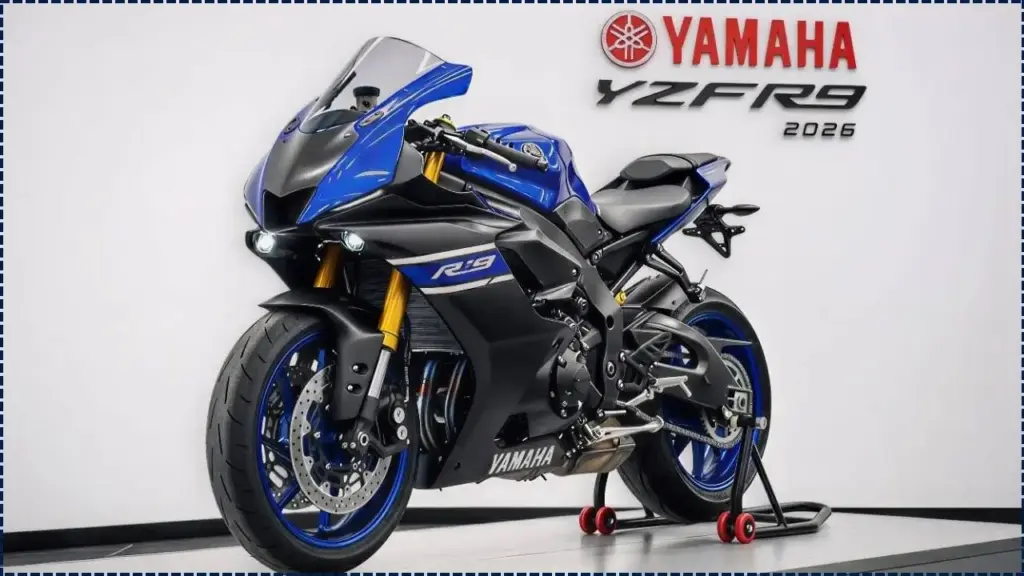
Introduced in 1998, the Yamaha YZF-R1 helped define the modern liter-class superbike category. Nearly three decades later, the motorcycle remains a technological showcase for Yamaha’s engineering capabilities. The question facing the industry today is whether the next evolution of the R1 will bring a genuine technological transformation.
Table of Contents
2026 Yamaha R1
| Key Fact | Detail |
|---|---|
| Regulatory pressure | Yamaha will stop selling the R1 as a road-legal model in Europe beginning in 2025 |
| Track-focused future | The motorcycle will continue production as a track-only model in some regions |
| Performance legacy | The R1 remains a flagship superbike with MotoGP-inspired engineering |
The Yamaha R1 Legacy: A Motorcycle That Redefined Superbikes
When Yamaha introduced the first YZF-R1 in 1998, it quickly transformed expectations for liter-class sport motorcycles. Engineers focused on creating a lighter, more compact platform by stacking the gearbox above the crankshaft, a design that shortened the engine and improved weight distribution.
Motorcycle historian Kevin Cameron, longtime technical editor for Cycle World, has described the R1 as a turning point in sportbike design.
“The original R1 showed the industry that high performance could be achieved with smarter packaging and weight reduction,” Cameron wrote in a technical analysis of superbike engineering.
Over the following decades, Yamaha continued to introduce technologies that later spread across the sportbike segment.
These included:
- Ride-by-wire electronic throttle systems
- Advanced traction control and stability systems
- Crossplane crankshaft engine design
- Integrated aerodynamic bodywork
The R1’s success in professional racing also strengthened its reputation. Variants of the motorcycle have competed in the FIM Superbike World Championship, endurance racing competitions, and national racing series around the world.
What’s New in the 2026 Yamaha R1
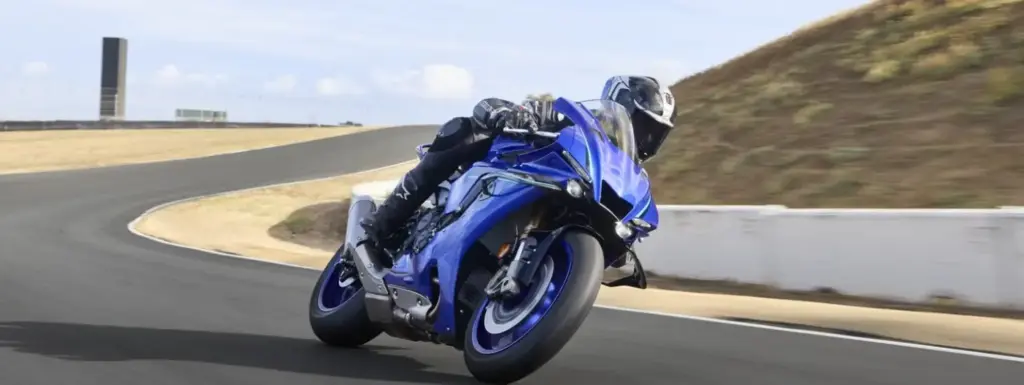
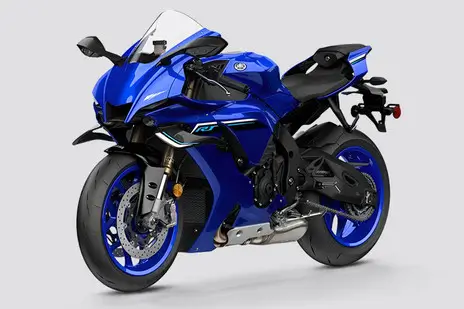
Despite widespread speculation online about a radical redesign, the 2026 Yamaha R1 largely continues the existing platform introduced in previous model cycles. The motorcycle retains its 998-cc crossplane inline-four engine, which produces roughly 200 horsepower and remains one of the defining features of the R1 lineup.
Aerodynamics Inspired by MotoGP
Modern superbikes increasingly rely on aerodynamic design to enhance stability and performance. The R1 now incorporates integrated winglets on its front fairing, similar to those used on Yamaha’s MotoGP racing machines. These aerodynamic components generate downforce that helps keep the front wheel planted during hard acceleration.
Motorsport analyst Simon Patterson notes that aerodynamic innovation has become central to modern sportbike engineering.
“Motorcycles are now entering an era where aerodynamics influence performance as much as horsepower,” Patterson said in a motorsport analysis.
Advanced Electronics and Rider Aids
Electronics remain one of the most sophisticated aspects of the R1 platform. The motorcycle uses a six-axis Inertial Measurement Unit (IMU) that constantly monitors motion and adjusts rider-assistance systems in real time.
Key electronic features include:
- Traction Control System (TCS)
- Slide Control System (SCS)
- Launch Control
- Wheelie Control
- Quickshifter and ride-by-wire throttle
These systems help riders control the immense power produced by modern liter-class motorcycles.
Suspension and Track-Focused Components
Higher-end variants such as the R1M include electronically adjustable suspension systems and lightweight carbon-fiber bodywork. These features allow riders to fine-tune the motorcycle for racetrack conditions.
Regulatory Pressures Reshaping the Superbike Market
One of the most significant factors shaping the future of the 2026 Yamaha R1 is environmental regulation. Beginning in 2025, the European Union introduced Euro5+ emissions standards, tightening restrictions on pollutants and durability requirements for emissions systems.
Yamaha announced that the R1 would no longer be sold as a road-legal motorcycle in Europe, citing the challenges of meeting the stricter rules without extensive redevelopment. Instead, the motorcycle will remain available as a track-only model in the region.
Professor Peter Wells, director of the Centre for Automotive Industry Research at Cardiff University, says such regulatory pressure is forcing manufacturers to reconsider how they design high-performance machines.
“The economics of developing niche high-performance motorcycles are increasingly complicated by emissions compliance,” Wells said in a research commentary.
Competition in the Global Superbike Market
The R1 competes in a highly competitive segment that includes several other high-performance machines. Major rivals include:
- BMW S1000RR
- Ducati Panigale V4
- Kawasaki Ninja ZX-10R
- Honda CBR1000RR-R Fireblade
Each of these motorcycles incorporates advanced electronics and racing-derived engineering.
For example, Ducati’s Panigale V4 uses a V-four engine architecture derived directly from the company’s MotoGP program, while BMW emphasizes sophisticated electronic rider-assist systems and variable valve timing. Industry analysts say the competition among these manufacturers has accelerated innovation across the segment.
Changing Consumer Demand
Even as manufacturers continue developing advanced superbikes, consumer demand has shifted. Adventure motorcycles and versatile naked bikes have gained popularity worldwide. These models often provide more comfortable ergonomics and broader usability than track-focused sportbikes.
Market research from Motorcycle Industry Council reports shows that many riders now prefer motorcycles that combine performance with everyday practicality. Still, the superbike category retains enormous symbolic value.
“Superbikes are engineering flagships,” said Cameron. “They demonstrate what manufacturers can achieve at the limits of performance.”
Could the Next R1 Deliver a True Technology Revolution?
While the 2026 Yamaha R1 may represent incremental refinement, future generations could bring more dramatic innovation. Several possible developments are frequently discussed by industry observers.
A Potential Shift to V-Four Engines
Many competing superbikes now use V-four engines, which can offer advantages in packaging and power delivery. Speculation continues that Yamaha could eventually adopt a similar configuration.
Active Aerodynamics
Patent filings suggest that future sport motorcycles could use active aerodynamic components that automatically adjust to speed and riding conditions. Such technology is already appearing in high-performance cars.
Electrification and Alternative Power
The long-term future of high-performance motorcycles may also involve electrification. Although fully electric superbikes exist, limitations in battery weight and charging infrastructure remain major challenges. Researchers and manufacturers are also exploring hybrid systems and synthetic fuels as potential alternatives.
Related Links
Hyundai Creta Facelift: Why it Remains India’s Favorite Mid-Size SUV
2026 Bajaj Dominar 400: Will it Get a Major Design Overhaul? What We Know
The 2026 Yamaha R1 represents a moment of transition for one of motorcycling’s most iconic machines. While the latest version emphasizes refinement rather than radical change, broader industry forces—from emissions regulation to technological innovation—are reshaping the future of superbikes. For Yamaha, the challenge will be preserving the R1’s racing heritage while adapting to the evolving realities of the global motorcycle market.
FAQs
Is the 2026 Yamaha R1 a completely new motorcycle?
No. The 2026 model continues the existing platform with incremental refinements rather than a full redesign.
Why is the R1 no longer road-legal in Europe?
Stricter Euro5+ emissions regulations make compliance difficult without significant redesign.
Will Yamaha stop producing the R1 globally?
No. The motorcycle will continue production for markets outside Europe and for track-focused use.
Could a future R1 use a different engine design?
Industry speculation suggests Yamaha may explore alternative engine architectures such as V-four configurations.