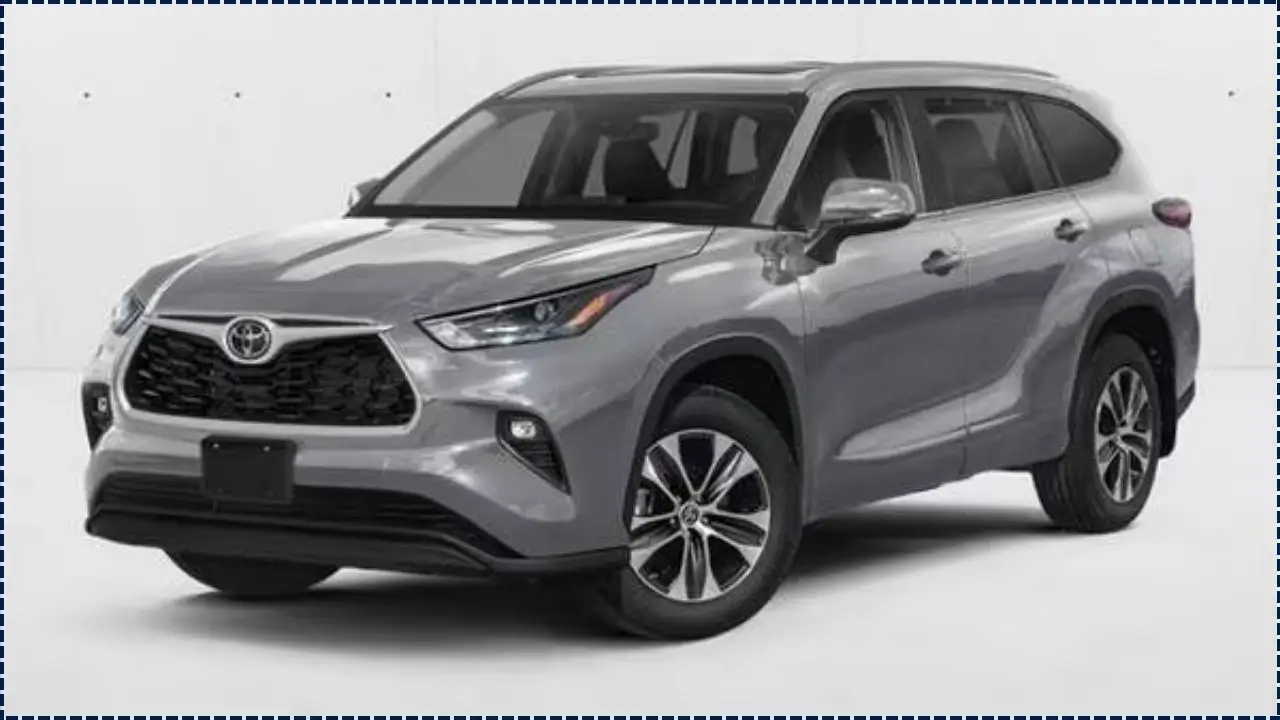

The rise of upcoming hybrid 7-seater SUVs in India, led by the Kia Sorento and Renault Boreal, reflects a broader shift in the automotive market as manufacturers respond to rising fuel costs and tightening emission norms.
These models are expected to challenge the Mahindra XUV700 by offering improved fuel efficiency, electrified powertrains, and competitive pricing in the growing family SUV segment.
Table of Contents
Upcoming Hybrid 7-Seater SUVs
| SUV | Launch Timeline | Powertrain | Expected Price |
|---|---|---|---|
| Kia Sorento | Late 2026 | Hybrid / Plug-in Hybrid | ₹30–35 lakh |
| Renault Boreal | 2026 | Strong Hybrid | ₹18–25 lakh |
| XUV700 | Available | Petrol/Diesel | ₹14–25 lakh |
The Rise of Hybrid 7-Seater SUVs in India
India’s SUV market is witnessing a gradual transition toward electrification, with hybrid vehicles emerging as a practical solution. While fully electric vehicles face infrastructure challenges, hybrids offer improved fuel efficiency without requiring charging stations.
Automotive experts highlight that hybrid technology can reduce fuel consumption by 20–40%, depending on driving conditions. This makes them particularly relevant in India, where fuel costs continue to rise.
“Hybrid SUVs provide an immediate benefit in urban driving, where stop-and-go traffic allows electric motors to operate more frequently,” said an automotive analyst.
Kia Sorento: Premium Hybrid Strategy
Positioning and Launch
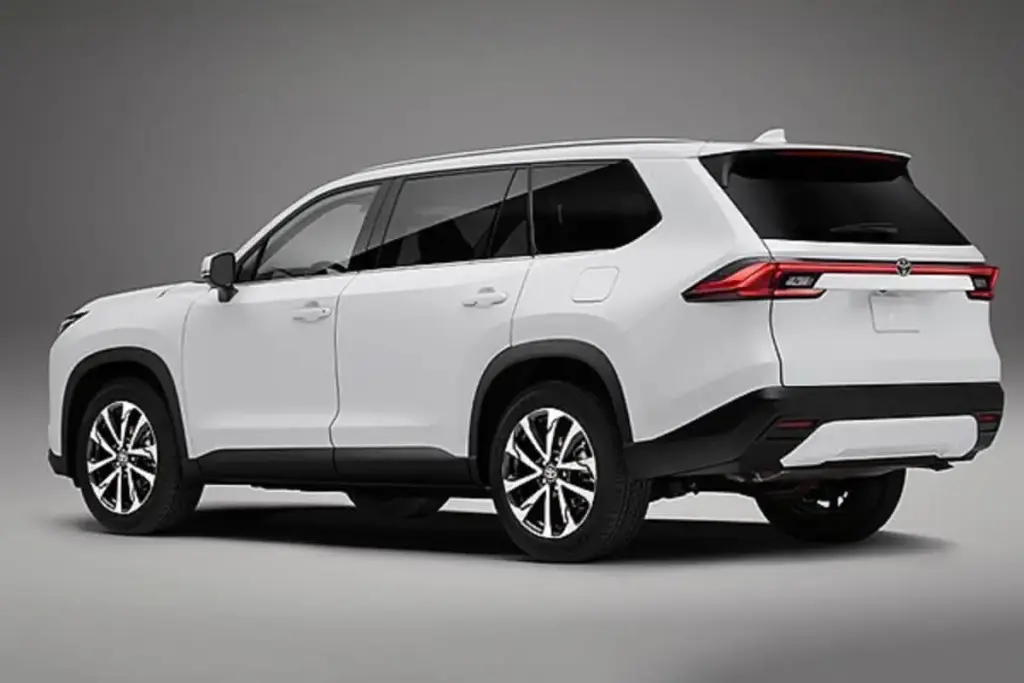
The Kia Sorento is expected to enter India as a premium 7-seater SUV, targeting buyers seeking advanced features and hybrid efficiency. Kia is reportedly developing a three-row SUV tailored for India, which may share design and technology elements with the global Sorento.
Hybrid Technology and Performance
Globally, the Sorento offers:
- 1.6-litre turbo petrol hybrid engine
- Plug-in hybrid variant
- Power output exceeding 220 hp
This setup allows strong performance while improving fuel efficiency, especially in city driving conditions.
Expected Features
- ADAS (Advanced Driver Assistance Systems)
- Panoramic sunroof
- Dual-screen infotainment setup
- Premium interiors
These features position the Sorento as a premium alternative to existing diesel SUVs.
Renault Boreal: Affordable Hybrid Entry
Concept and Strategy
The Renault Boreal is expected to be a more affordable hybrid SUV, based on the next-generation Duster platform. It will likely focus on fuel efficiency and practicality, rather than premium features.
Powertrain Details
Expected specifications include:
- 1.8-litre petrol engine
- Dual electric motors
- Small battery pack (~1.4 kWh)
This system is designed for fuel savings rather than electric-only driving.
Pricing Advantage
With an expected price of ₹18–25 lakh, the Boreal could directly challenge:
- Mahindra XUV700
- Tata Safari
- Hyundai Alcazar
Its hybrid technology could offer a key differentiator in running cost.
Hybrid vs Diesel: Cost Comparison for Indian Buyers
Monthly Fuel Cost Example (Approx)
Assuming:
- 40 km daily usage
- Petrol: ₹100/litre
- Diesel: ₹90/litre
| Vehicle Type | Monthly Cost |
|---|---|
| Diesel SUV (XUV700) | ₹6,000–₹7,000 |
| Hybrid SUV | ₹4,000–₹5,000 |
Savings: ₹1,500–₹2,500 per month
Over 5 years, this could translate into ₹1–1.5 lakh in fuel savings.
Mahindra XUV700: The Benchmark Today
The XUV700 remains a strong contender due to:
- Powerful engines
- Advanced features (ADAS)
- Competitive pricing
- Strong service network
However, its lack of hybrid technology could become a disadvantage in the long term.
Government Policy and Hybrid Adoption
India’s policy framework currently favours electric vehicles through subsidies, while hybrids receive limited direct incentives.
- EVs benefit from FAME-II subsidies
- Hybrids face higher GST (28%)
Despite this, hybrids are gaining traction due to practical usability. Industry experts argue that policy support for hybrids could accelerate adoption.
Ownership and Maintenance Considerations
Advantages
- Lower fuel consumption
- Reduced engine wear due to electric assistance
Concerns
- Higher initial cost
- Battery replacement costs (long-term)
- Limited awareness among buyers
Experts note that hybrid batteries typically last 8–10 years, reducing immediate concerns.
Consumer Challenges and Awareness
Despite benefits, hybrid adoption faces challenges:
- Higher upfront pricing
- Limited awareness in smaller cities
- Preference for diesel in long-distance usage
However, urban buyers are increasingly open to hybrid options due to rising fuel costs.
Global Context: Why Hybrids Are Growing
Globally, hybrid vehicles have seen strong adoption in markets like:
- Japan
- Europe
- United States
Manufacturers are leveraging hybrid technology as a transition toward full electrification.
Future Pipeline: More Hybrid SUVs Coming
Beyond Sorento and Boreal, several manufacturers are expected to introduce hybrid SUVs in India:
- Toyota (7-seater Hyryder)
- Honda (future SUV plans)
- Nissan (shared platform models)
This indicates a broader industry shift.
Related Links
EV Battery Life Guide 2026: Signs You Need a Replacement and Tips to Extend Range
Meet the Mobile Power Bank: China’s New Robot That Finds and Charges Parked EVs Automatically
Buyer Scenarios: Who Should Wait?
Long-Distance Family Users
Hybrid SUVs offer better fuel savings
City Commuters
Maximum benefit from hybrid efficiency
Budget Buyers
Boreal could be the best option
Premium Buyers
Sorento offers technology and luxury
The arrival of upcoming hybrid 7-seater SUVs in India, including the Kia Sorento and Renault Boreal, represents a significant shift in the market. As fuel prices rise and emission norms tighten, hybrid technology is emerging as a practical solution for Indian buyers.
While the Mahindra XUV700 remains a strong benchmark, these upcoming models are likely to redefine expectations around efficiency, cost, and sustainability. As more manufacturers enter the hybrid space, Indian consumers will benefit from greater choice and evolving technology.