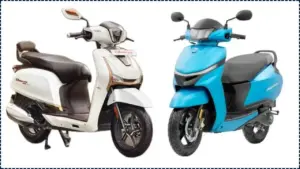

As India’s scooter market evolves, the comparison between TVS Jupiter 110 vs 125 has become a key decision point for families seeking reliable, fuel-efficient transport. The TVS Jupiter 110 vs 125—understanding the real-world differences between these two models—reflects changing consumer expectations around comfort, performance, and long-term ownership value.
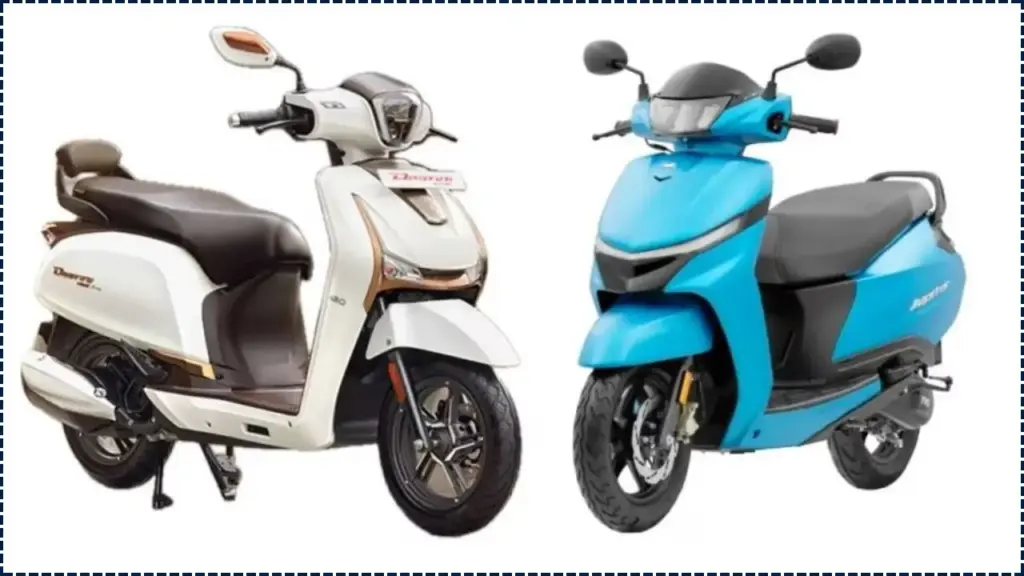
Table of Contents
Understanding the TVS Jupiter 110 vs 125: Why This Comparison Matters
The comparison between TVS Jupiter 110 and TVS Jupiter 125 reflects a broader shift in India’s two-wheeler market. Buyers today are no longer choosing scooters solely based on price or mileage. Instead, they are evaluating:
- Comfort for family use
- Practical features like storage
- Long-term ownership costs
- Brand reliability.
The TVS Jupiter 110 vs 125 highlights how one brand is addressing multiple buyer segments through differentiated offerings.
Engine, Performance, and Real-World Ride Feel
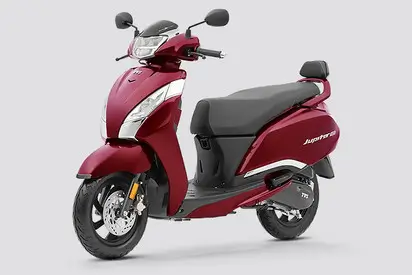
Jupiter 110: Efficient Urban Performer
The Jupiter 110 is powered by a 113cc engine, designed for smooth city commuting. It offers predictable acceleration and easy handling in traffic-heavy environments. Its lighter kerb weight makes it ideal for:
- Beginners
- Elderly riders
- Frequent stop-start riding
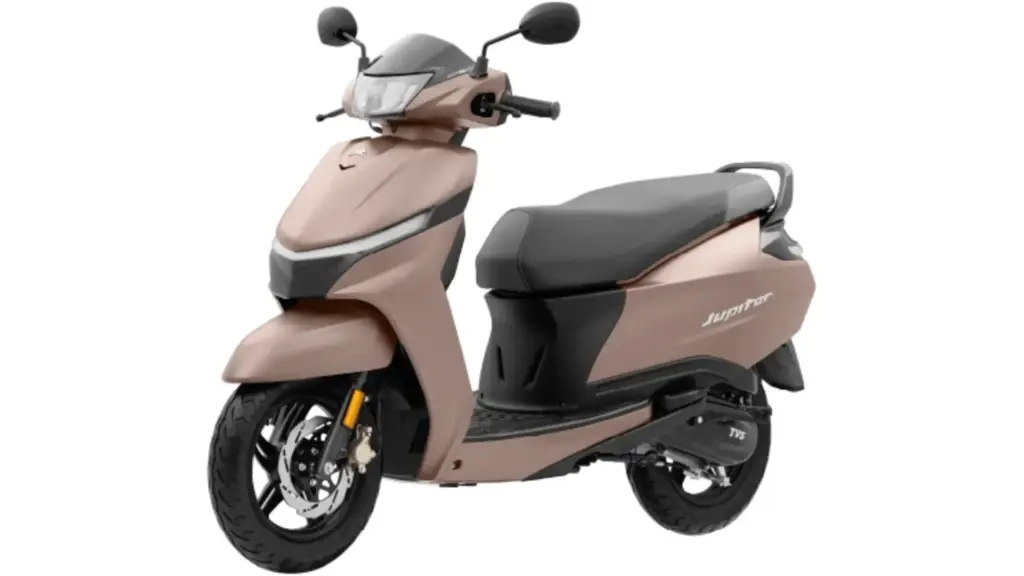
Jupiter 125: More Power for Everyday Demands
The Jupiter 125 features a 124.8cc engine, delivering stronger torque and improved pickup. This becomes evident when:
- Riding with a pillion.
- Carrying groceries or luggage.
- Climbing flyovers.
The additional power ensures less strain on the engine in real-world usage.
Mileage vs Performance Trade-Off
Mileage remains a critical factor in India:
- Jupiter 110: Higher fuel efficiency, ideal for daily commuters.
- Jupiter 125: Slightly lower mileage but better performance.
For riders covering long daily distances, this difference translates into noticeable fuel savings over time.
Comfort, Ergonomics, and Family Usability
Seat Comfort and Riding Posture
The Jupiter 125 offers:
- A wider, longer seat.
- Better cushioning.
- Improved rider-pillion comfort.
The Jupiter 110, while comfortable, is more compact and suited for shorter rides.
Ride Stability
The Jupiter 125 provides better stability at higher speeds due to:
- Larger frame
- Increased weight
- Wider tyres
This makes it more confidence-inspiring on longer routes.
Variant Breakdown: What Buyers Actually Get
Jupiter 110 Variants
- Drum variant (basic, affordable).
- Disc variant (better braking).
- SmartXonnect variant (connected features).
Jupiter 125 Variants
- Drum and disc variants.
- SmartXonnect version with advanced display.
- Premium trims with additional styling and features.
This segmentation allows buyers to choose based on budget and feature preference.
Storage and Practical Utility
- Jupiter 110: Adequate for daily essentials.
- Jupiter 125: Larger storage, capable of holding more items.
For families, the 125’s storage advantage is a major selling point.
Safety, Braking, and Tyres
Both scooters offer:
- Combined Braking System (CBS).
- Drum and disc brake options,
However, the Jupiter 125 provides:
- Better braking confidence.
- Improved road grip.
Safety experts note that stability under load is crucial for family scooters, where the 125 has an edge.
Ownership Experience: What Happens After Purchase
Service Network
Both scooters benefit from the extensive reach of TVS Motor Company, which has service centres across urban and rural India.
Maintenance Costs
Routine service costs remain affordable for both models. However:
- Jupiter 110: Slightly cheaper to maintain.
- Jupiter 125: Marginally higher due to engine size.
Insurance Costs
Insurance premiums for the 125 are typically higher due to:
- Higher engine capacity.
- Increased vehicle value.
Resale Value and Long-Term Durability
The Jupiter series has built a strong reputation for:
- Reliability.
- Durable engines.
- Consistent resale value.
The Jupiter 125 may retain slightly better resale value due to its premium positioning and demand.
Real-World Use Cases: Which Scooter Fits Which Rider?
Daily Office Commuter
- Best choice: Jupiter 110.
- Reason: Better mileage and ease of use.
Family Rider
- Best choice: Jupiter 125.
- Reason: Comfort, power, and storage.
Senior Citizens
- Best choice: Jupiter 110
- Reason: Lightweight and manageable
Mixed Usage (City + Occasional Highway)
- Best choice: Jupiter 125.
- Reason: Better performance and stability.
Competitor Context: Where They Stand
Both scooters compete in different segments:
- Jupiter 110: Entry-level family scooters
- Jupiter 125: Premium family scooters
Competitors include:
- Honda Activa
- Suzuki Access
- Hero Maestro
This positions TVS as a brand offering options across price points.
Buyer Psychology: What Influences the Final Decision
Market insights show that Indian buyers often prioritise:
- Mileage
- Comfort
- Brand trust
- Resale value
While the Jupiter 110 wins on cost efficiency, the Jupiter 125 appeals to buyers upgrading from smaller scooters.
Expert Insight
An automotive analyst explains:
“The shift toward 125cc scooters reflects evolving consumer expectations. Buyers are willing to spend slightly more for better comfort and usability, especially for family-oriented vehicles.”
Related Links
Yamaha XSR155 Arrives with Retro Style! A Tough Rival for Hunter 350?
Revolt RV1: The Most Affordable Electric Bike with 160 KM Range!
Future Outlook: Evolution of Family Scooters
The Indian scooter market is expected to see:
- Increased adoption of electric scooters
- More connected features
- Improved fuel efficiency technologies
The Jupiter lineup may evolve further to incorporate hybrid or electric variants.
The comparison between TVS Jupiter 110 vs 125 highlights two distinct approaches to family mobility. The 110 excels in efficiency, affordability, and ease of use, while the 125 offers enhanced comfort, performance, and practicality. The right choice depends on individual needs, riding patterns, and long-term priorities.