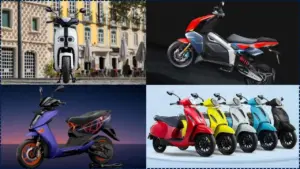

In 2026, Planning to Buy an E-Scooter for College? Top 4 Reliable Options Under ₹60,000 is a growing concern for Indian students seeking affordable, convenient mobility. With rising fuel prices and congested urban roads, low-speed electric scooters are emerging as a cost-effective alternative for short daily commutes.
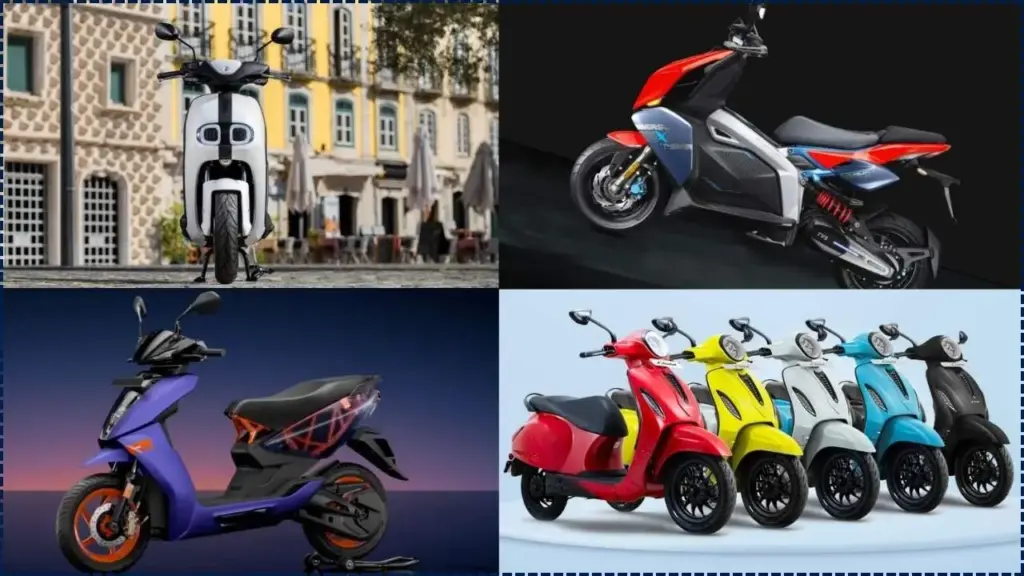
Table of Contents
Why Electric Scooters Are Gaining Popularity Among Students
India’s electric two-wheeler market has witnessed rapid expansion, supported by policy incentives and changing consumer preferences. Students, in particular, are driving demand for low-cost mobility solutions.
Low-speed electric scooters—limited to 25 km/h—are especially popular because they do not require a driving licence or registration. This reduces entry barriers for younger users.
“Affordability and accessibility are the key drivers in this segment,” said an automotive analyst. “Students are prioritising low running costs over performance.”
What Defines a Good College E-Scooter?
Cost Efficiency
Electric scooters significantly reduce daily commuting costs. Charging typically costs ₹10–₹20 per cycle, making them far cheaper than petrol alternatives.
Range Suitability
Most college students travel between 5 and 20 kilometres daily. A scooter offering 60–90 kilometres per charge ensures flexibility and fewer charging interruptions.
Ease of Charging
Removable battery systems are particularly useful for hostel residents, allowing indoor charging without requiring dedicated parking infrastructure.
Service Network
Reliable after-sales service is essential. Brands with established service centres provide better long-term ownership experiences.
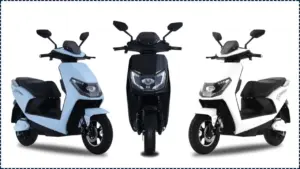
Top 4 Reliable E-Scooters Under ₹60,000
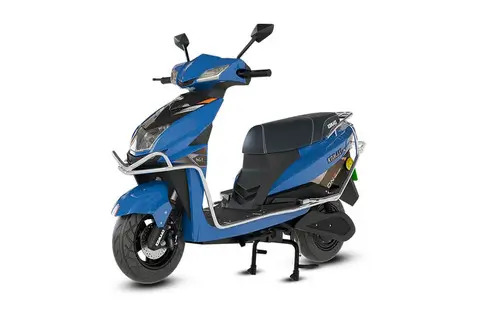
Komaki X-One: Best Overall Balance
The Komaki X-One offers a range of around 80–85 kilometres per charge and is designed for consistent daily commuting. Its balance of performance, comfort, and service availability makes it a strong contender.
Yakuza Rubie: Budget-Friendly Option
The Yakuza Rubie is one of the most affordable electric scooters in the segment. It is best suited for short distances and first-time users.
Yakuza Sophie: Extended Range Capability
With improved battery capacity, the Yakuza Sophie caters to students who travel longer distances. It also offers better comfort for regular use.
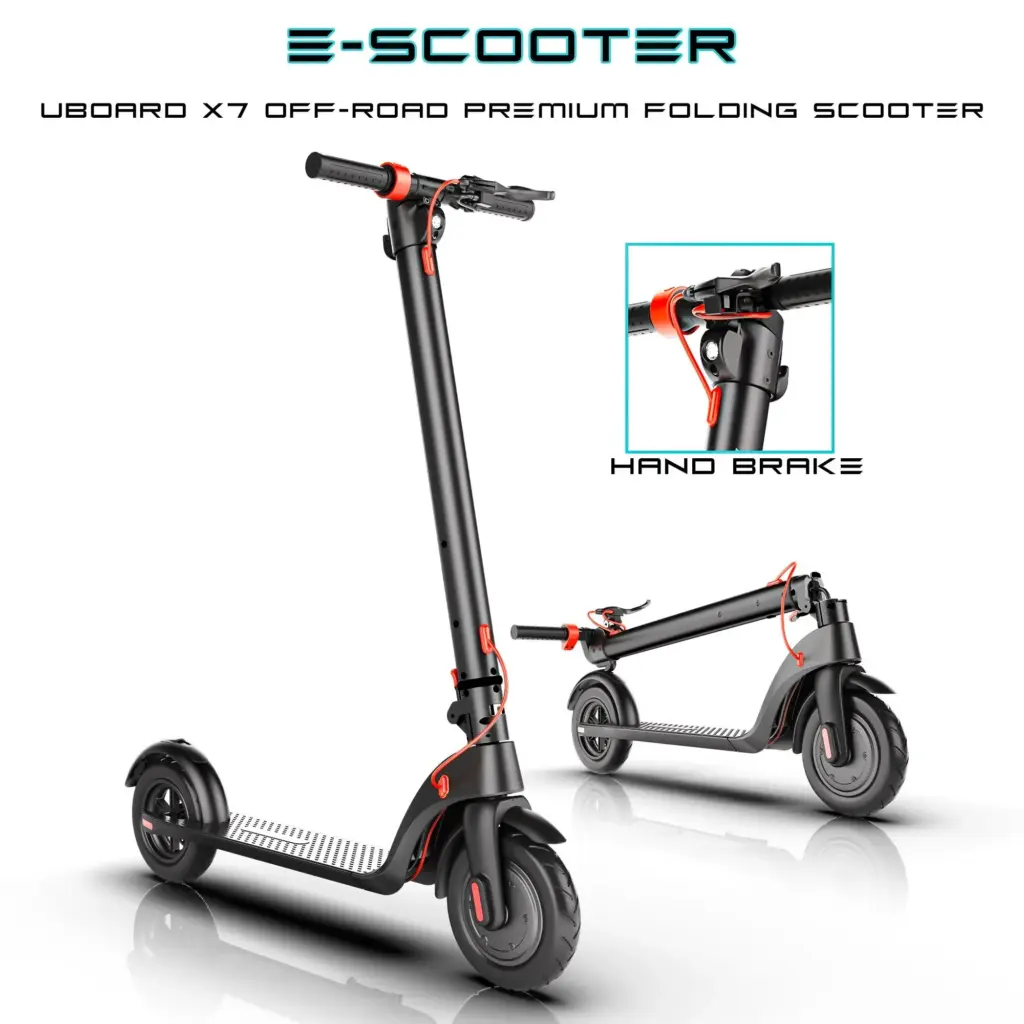
UBOARD X7: Portable and Compact
The UBOARD X7 features a foldable design, making it ideal for students with limited storage space. However, it is more suitable for shorter commutes.
Safety and Legal Considerations
Although low-speed scooters do not require a licence, safety remains a critical concern. Traffic experts recommend:
- Wearing helmets at all times.
- Following traffic rules.
- Avoiding overcrowded roads.
Some college campuses have also introduced internal regulations governing scooter usage, including speed limits and designated parking zones.
Insurance and Ownership Clarity
While insurance is not mandatory for low-speed electric scooters, it is increasingly recommended. Basic insurance policies can protect against theft, damage, and third-party liability, offering additional peace of mind for students.
Cost Comparison: Electric vs Petrol vs Public Transport
| Mode | Cost per km | Convenience | Long-Term Cost |
|---|---|---|---|
| Electric Scooter | ₹0.20–₹0.30 | High | Low |
| Petrol Scooter | ₹2–₹3 | High | High |
| Public Transport | ₹1–₹2 | Medium | Medium |
| Bicycle | Near zero | Low–Medium | Very Low |
Electric scooters strike a balance between affordability and convenience, making them ideal for daily commuting.
Real Student Perspective
A second-year undergraduate student in Delhi reported saving nearly ₹8,000 annually after switching from a petrol scooter to an electric model. “The biggest advantage is not worrying about fuel costs,” the student said. “Charging at home is simple, and it fits perfectly with my daily routine.”
Maintenance and Lifecycle Costs
Electric scooters generally require less maintenance than petrol vehicles due to fewer moving parts. However, battery replacement remains the most significant long-term expense. Experts estimate:
- Battery lifespan: 3–5 years.
- Replacement cost: ₹12,000–₹25,000 depending on capacity.
Regular servicing and proper charging habits can extend battery life.
Industry Outlook: Growth and Innovation
The electric two-wheeler segment in India is expected to grow steadily, with manufacturers focusing on affordability and localisation. Emerging trends include:
- Battery swapping networks.
- Subscription-based ownership models.
- Improved battery technology.
“These innovations will make electric mobility more accessible to students,” said an industry executive.
Environmental Impact
Electric scooters contribute to reduced emissions and improved air quality in urban areas. While electricity sources still influence overall impact, the shift away from petrol vehicles is widely seen as beneficial.
Related Links
Looking for Budget Bikes? These 5 Options Are Cheaper Than Splendor & Give 70+ KMPL
Own a Hero Splendor for Just ₹2,000 EMI: Check Down Payment & Finance Plan
Buying Checklist for Students
Before purchasing an electric scooter, students should evaluate:
- Daily travel distance.
- Availability of charging points.
- Brand service network.
- Battery warranty.
- Portability requirements.
Making an informed choice ensures better long-term value.
Future Trends: What Lies Ahead
The next phase of electric mobility in India will likely include:
- More affordable battery technologies.
- Increased government support.
- Expansion of charging infrastructure.
These developments are expected to enhance the appeal of electric scooters among students.