
The Hyundai Creta Facelift has reinforced its status as India’s favourite mid-size SUV, combining refreshed design, advanced technology and a wide range of engine options. Introduced in early 2024 by Hyundai Motor India Limited (HMIL), the updated model quickly recorded more than 100,000 sales within six months and continues to dominate segment sales rankings across the country.
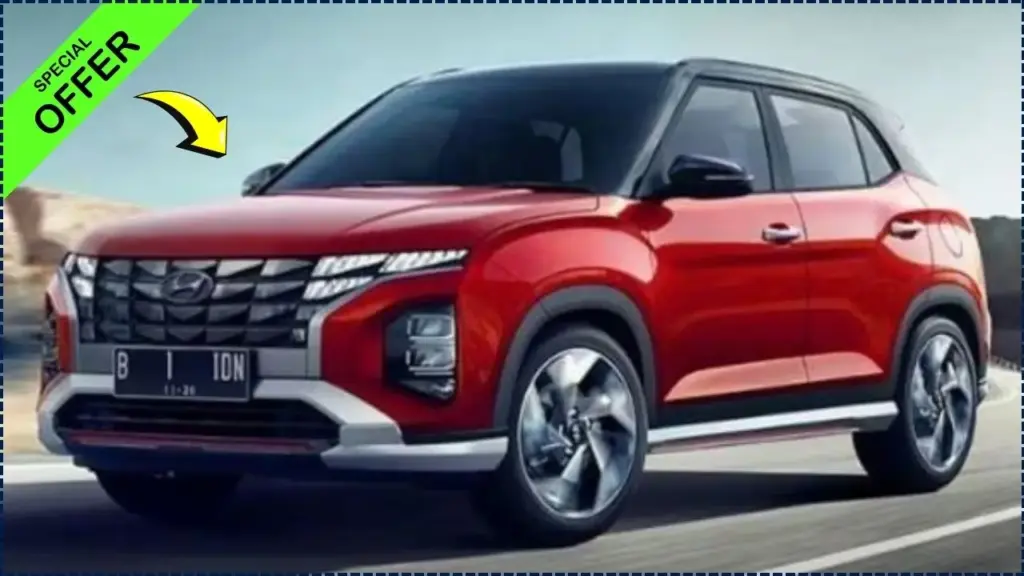
Industry analysts say the SUV’s enduring success reflects a combination of consumer trust, competitive pricing and Hyundai’s ability to adapt to rapidly evolving automotive preferences in India.
Table of Contents
A Decade of Market Leadership
The Creta first entered the Indian market in 2015, at a time when sport-utility vehicles were beginning to gain popularity among urban buyers. Hyundai designed the model to fill the gap between compact SUVs and larger premium models. The strategy proved highly successful. According to company data reported by several automotive publications, cumulative Creta sales in India have exceeded one million units, making it one of Hyundai’s most successful models in the country.
The Hyundai Creta Facelift launched in 2024 represents the latest stage in that evolution. Within six months of its release, the updated model crossed the 100,000-unit sales milestone, highlighting continued demand for the SUV.
“Creta has consistently set benchmarks in design, performance and customer experience,” said Tarun Garg, Managing Director and Chief Operating Officer of Hyundai Motor India Limited, in company remarks published by automotive media. For Hyundai, the vehicle has become a cornerstone product in India, contributing significantly to the brand’s passenger vehicle sales.
Design Changes in the Hyundai Creta Facelift
A More Distinctive Exterior
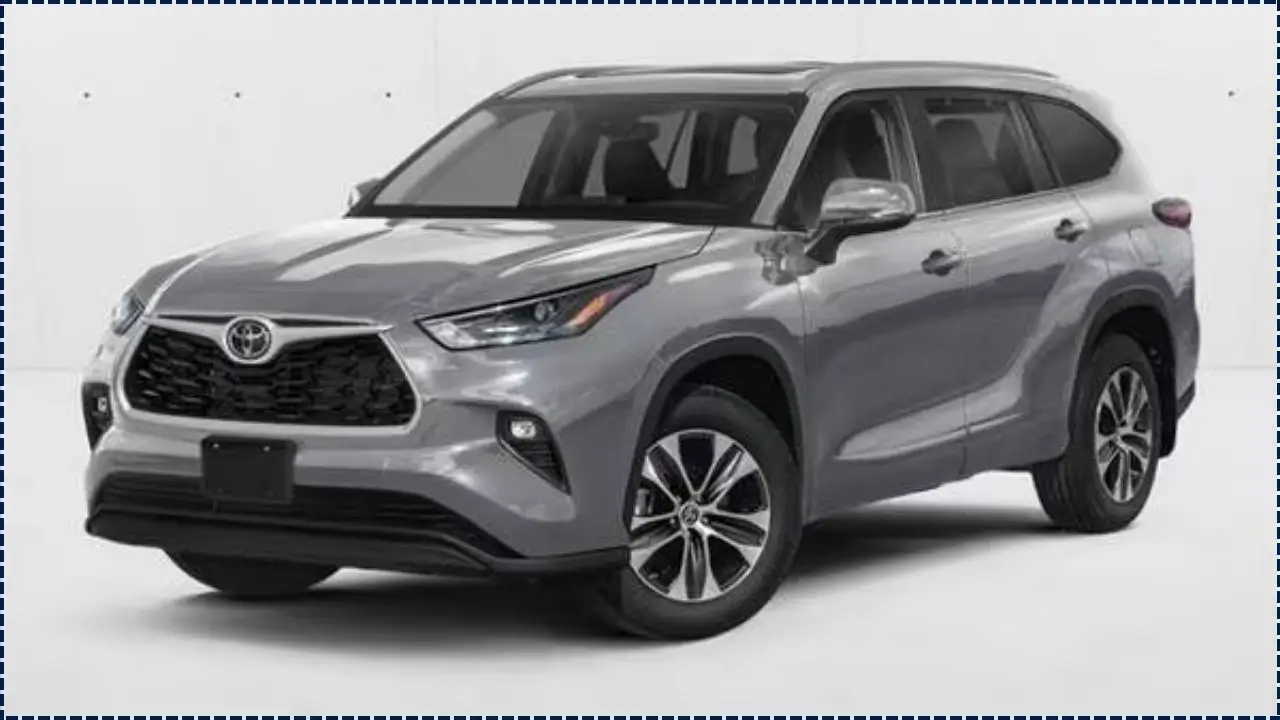
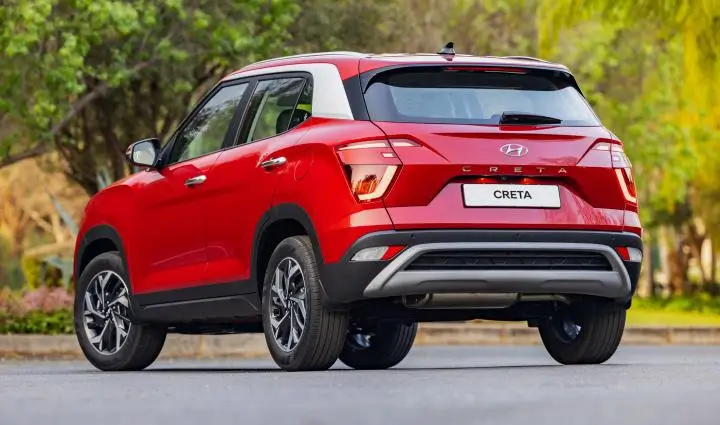
One of the most noticeable updates in the Hyundai Creta Facelift is its redesigned exterior styling. The new model introduces:
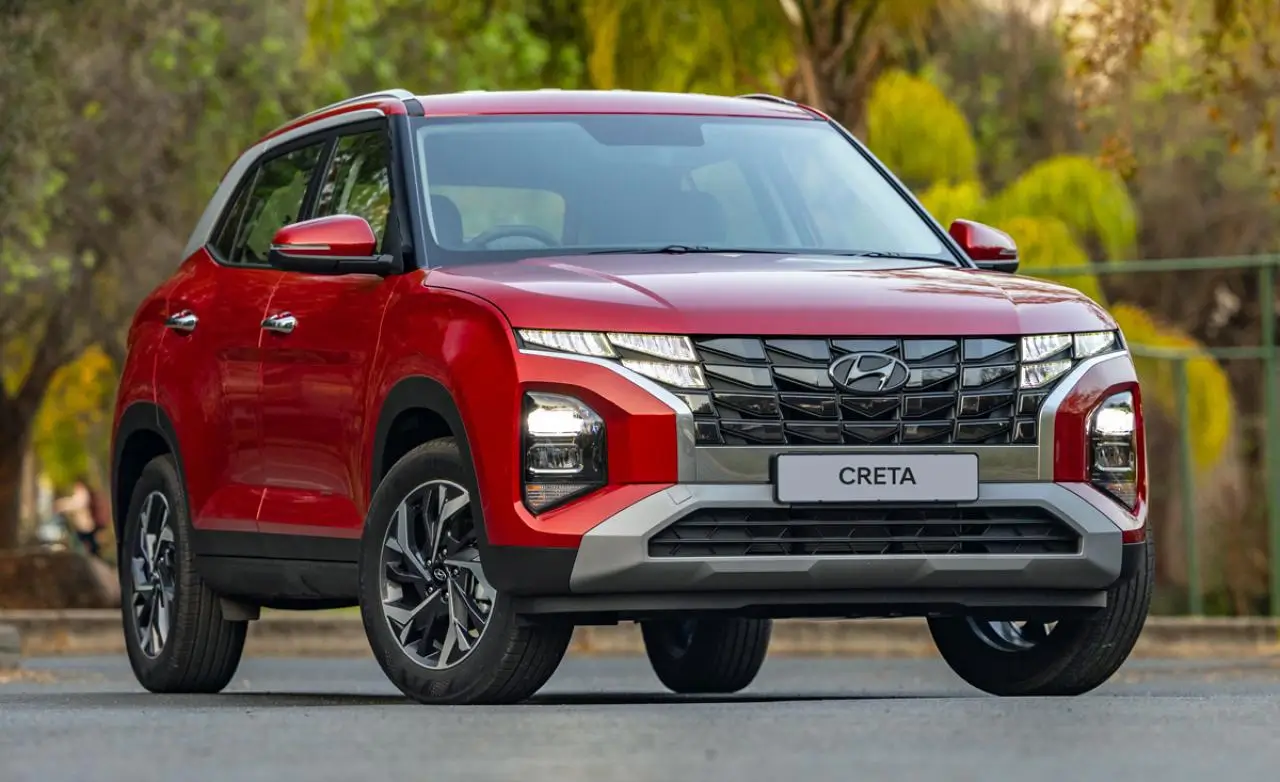
- A larger geometric front grille
- Updated LED headlamps and daytime running lights
- Connected LED tail lamps across the rear
- Newly designed alloy wheels
These design elements reflect Hyundai’s global design philosophy, often referred to as the company’s “Sensuous Sportiness” styling approach. Automotive reviewers note that the updated design gives the SUV a more premium appearance while preserving the recognizable silhouette that has made the Creta popular among Indian buyers.
Interior Comfort and Digital Integration
Inside the cabin, the Creta facelift adopts a more technology-focused layout. The dashboard features dual 10.25-inch digital displays, integrating the infotainment system with a fully digital instrument cluster. The system supports smartphone connectivity through Android Auto and Apple CarPlay.
Additional comfort features include:
- Ventilated front seats
- Dual-zone climate control
- Panoramic sunroof
- Bose premium audio system
- Wireless charging
Such features reflect the increasing importance of in-car technology among Indian consumers, particularly younger urban buyers.
Automotive industry analyst Vinkesh Gulati, former president of the Federation of Automobile Dealers Associations (FADA), has noted that modern buyers increasingly evaluate vehicles based on digital features and connectivity, not just performance or fuel efficiency.
Safety and Driver Assistance Systems
Safety technology has become a major focus for automakers in India as awareness of crash protection increases. The Hyundai Creta Facelift includes several safety features as standard equipment, including:
- Six airbags
- Electronic stability control
- Anti-lock braking system (ABS)
- Hill-start assist control
Higher variants also offer Advanced Driver Assistance Systems (ADAS), which include lane-keeping assist, adaptive cruise control and forward collision warning.
These technologies are increasingly common in global markets but remain relatively new in mass-market vehicles in India. Industry observers say the inclusion of such features strengthens the Creta’s appeal in a segment where safety ratings and technology are becoming more influential in purchasing decisions.
Engine Options and Performance
Another factor behind the popularity of the Hyundai Creta Facelift is the flexibility offered by its engine lineup. The SUV is available with three engine choices:
- 1.5-litre naturally aspirated petrol engine
- 1.5-litre turbocharged petrol engine
- 1.5-litre diesel engine
Transmission options include manual, continuously variable transmission (CVT), torque converter automatic and dual-clutch automatic systems.This wide range allows the Creta to serve different buyer preferences, from fuel-efficient commuting to higher-performance driving.
Fuel economy remains an important consideration for Indian buyers. Diesel variants of the Creta offer mileage figures exceeding 20 kilometres per litre under standard testing conditions, making them attractive for long-distance driving.
Pricing Strategy and Variant Range
Pricing has also played a significant role in the success of the Hyundai Creta Facelift. The SUV is available in multiple variants, with prices ranging roughly from ₹11 lakh to over ₹20 lakh depending on the configuration. This wide price band allows Hyundai to target multiple buyer segments:
- Entry-level SUV buyers upgrading from hatchbacks
- Families seeking a practical daily vehicle
- Professionals looking for a premium mid-size SUV
Industry analysts note that this “multi-variant strategy” helps the Creta compete with several different vehicles at once.
India’s Growing Preference for SUVs
The success of the Creta also reflects broader changes in India’s automotive market. Over the past decade, sport-utility vehicles have steadily replaced sedans and hatchbacks as the preferred choice for many buyers. SUVs now account for more than half of passenger vehicle sales in India, according to industry estimates reported by automotive publications.
Consumers cite several reasons for this shift:
- Higher driving position and improved visibility
- Better road clearance for uneven roads
- Larger interiors suitable for families
- Stronger road presence and styling appeal
The Creta sits in the centre of this trend, offering the advantages of an SUV without the size and cost of larger models.
Competitive Landscape
Despite its success, the Hyundai Creta Facelift operates in a highly competitive segment. Key competitors include:
- Kia Seltos
- Toyota Urban Cruiser Hyryder
- Maruti Suzuki Grand Vitara
- Volkswagen Taigun
- Skoda Kushaq
- MG Astor
Several of these rivals offer hybrid powertrains or distinctive technology packages. Nevertheless, the Creta continues to lead sales charts in many months, reflecting its strong brand recognition and established reputation.
Automotive analyst Rakesh Srivastava, a former senior executive in India’s automobile sector, has noted that brand trust and dealership reach remain decisive factors in the Indian market.
Manufacturing and Localisation
The Creta is manufactured at Hyundai’s production facility in Sriperumbudur, Tamil Nadu, one of the company’s largest manufacturing hubs outside South Korea.
High levels of localisation—meaning locally sourced components—help Hyundai control production costs and keep the SUV competitively priced. The plant also exports vehicles to international markets, making India an important global manufacturing base for Hyundai.
Ownership Experience and Resale Value
Long-term ownership costs influence purchasing decisions in India, where many buyers consider resale value before buying a car. The Creta has consistently maintained strong resale values in the used-car market, according to industry reports.
Hyundai’s extensive service network across the country also contributes to buyer confidence. The company operates hundreds of service centres nationwide, providing maintenance support even in smaller cities.
Related Links
2026 Ford F-150: Official Specs, New Features, and Expected Pricing
Are Heavy-Duty Brands Shifting to Pickups? Examining Market Trends
Electrification and Innovation
Looking ahead, Hyundai faces a rapidly evolving automotive landscape. The Indian government has encouraged electric mobility through policy incentives and infrastructure development. As a result, several manufacturers are investing heavily in electric SUVs.
Hyundai has already launched electric models in India and is expected to expand its electric lineup in the coming years. Industry observers say the long-term future of the Creta could include hybrid or electric variants as manufacturers adapt to changing environmental and regulatory requirements.
Nearly ten years after its introduction, the Hyundai Creta Facelift remains a defining model in India’s automotive market. Through consistent upgrades in design, safety and technology, Hyundai has managed to sustain the vehicle’s popularity in an increasingly competitive segment.
For many consumers, the Creta continues to represent a balanced combination of practicality, modern features and brand reliability—qualities that have allowed it to remain India’s favourite mid-size SUV.