
The Honda CB125 Hornet has been launched in India as a new entry in the competitive 125cc commuter motorcycle category. Developed by Honda Motorcycle & Scooter India (HMSI), the bike combines sporty styling, modern digital features, and everyday efficiency aimed at urban riders.
Priced at around ₹1.12 lakh (ex-showroom Delhi), the model reflects Honda’s attempt to strengthen its presence in the growing premium commuter segment.
Table of Contents
Honda CB125 Hornet Launched
| Key Fact | Detail |
|---|---|
| Model | Honda CB125 Hornet |
| Engine | 123.94cc single-cylinder air-cooled |
| Power | ~11 bhp |
| Starting Price | ~₹1.12 lakh (ex-showroom Delhi) |
| Segment | Premium 125cc commuter motorcycle |
Honda CB125 Hornet Launch Reflects Changing Trends in India’s Motorcycle Market
The arrival of the Honda CB125 Hornet illustrates how the Indian commuter motorcycle segment has evolved over the past decade. Traditionally, 125cc motorcycles were designed primarily for affordability and fuel efficiency. However, consumer preferences have shifted. Younger riders increasingly seek motorcycles with sport-inspired styling, digital technology, and stronger performance.
According to data from the Society of Indian Automobile Manufacturers (SIAM), motorcycles in the 125cc segment represent a substantial portion of India’s annual two-wheeler sales. Rising disposable incomes and urban mobility needs have accelerated demand for feature-rich commuter bikes.
“The 125cc segment has become one of the most competitive categories in the Indian market,” said Rohit Sharma, an automotive industry consultant based in New Delhi. “Manufacturers are adding premium features such as connectivity and advanced suspension to attract first-time buyers and younger riders.”
Price and Availability of the Honda CB125 Hornet
Honda has positioned the CB125 Hornet in the premium tier of the commuter segment.
Pricing
- Ex-showroom Delhi: approximately ₹1.12 lakh
- Estimated on-road Delhi price: ₹1.30–₹1.32 lakh
Honda dealerships across India began accepting bookings shortly after the official launch announcement. Deliveries are expected to start in major cities first, followed by broader availability across Honda’s nationwide dealership network.
Engine and Performance
The Honda CB125 Hornet is powered by a 123.94cc single-cylinder air-cooled engine, engineered to provide responsive performance in city traffic while maintaining strong fuel efficiency.
Engine Specifications
| Specification | Detail |
|---|---|
| Engine capacity | 123.94 cc |
| Engine type | Air-cooled single cylinder |
| Maximum power | ~11 bhp at 7,500 rpm |
| Maximum torque | ~11.2 Nm at 6,000 rpm |
| Transmission | 5-speed manual |
| Fuel system | Electronic fuel injection |
Honda says the engine tuning prioritizes low- and mid-range torque, allowing smoother acceleration during stop-and-go urban riding. Under standard test conditions, the motorcycle is expected to deliver fuel efficiency of around 50–55 kilometers per liter, although real-world mileage may vary depending on riding habits and road conditions.
Design and Styling
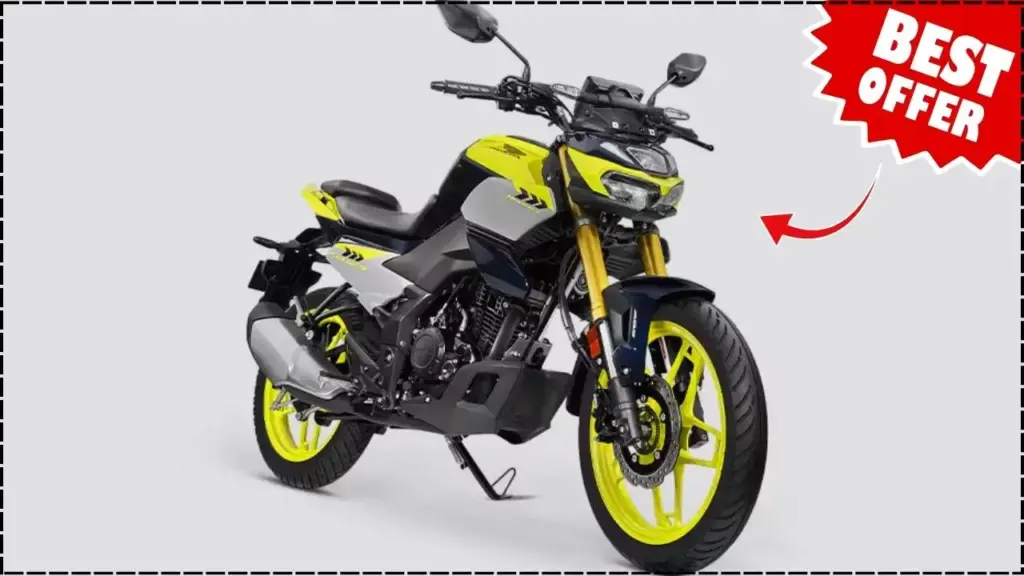
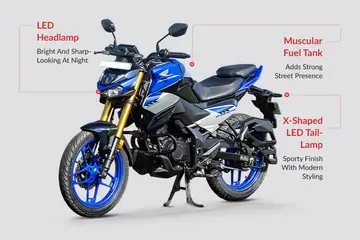
The Honda CB125 Hornet features styling elements inspired by larger naked sport motorcycles. Design highlights include:
- Aggressive LED headlamp design
- Sculpted fuel tank with muscular extensions
- Split seat layout
- Alloy wheels with sporty graphics
- Compact tail section with LED tail lamp
Honda designers say the motorcycle’s appearance was intended to appeal particularly to younger riders seeking a more aggressive aesthetic.
Technology and Digital Features
A key aspect of the Honda CB125 Hornet is its emphasis on modern digital features. The motorcycle includes a 4.2-inch TFT instrument display, which provides information such as speed, gear position, fuel level, and trip data. Through Bluetooth connectivity, riders can also access smartphone notifications and navigation prompts.
Major Features
- Full LED lighting system
- 4.2-inch TFT display
- Bluetooth connectivity
- Turn-by-turn navigation
- Silent ACG starter system
- Single-channel Anti-lock Braking System (ABS)
Honda says these features aim to enhance convenience and safety for daily riders.
Suspension, Handling, and Ride Comfort
The CB125 Hornet introduces upside-down (USD) front forks, a feature rarely seen in the 125cc commuter category.
Suspension Setup
- USD front forks
- Rear monoshock suspension
These components improve front-end stability and handling during cornering. The braking system consists of:
- Front disc brake
- Rear drum brake
- Single-channel ABS
Motorcycle safety researchers say ABS technology helps prevent wheel lock during emergency braking situations.
Ergonomics and Rider Comfort
Honda engineers designed the CB125 Hornet with everyday usability in mind. The motorcycle weighs approximately 124 kilograms, making it relatively lightweight and manageable for new riders. Other ergonomic considerations include:
- Upright riding position
- Slightly raised handlebars for comfort
- Split seat design for rider and passenger
The bike also features a 12-liter fuel tank, enabling longer commuting distances between refueling stops.
Manufacturing and Localization
Honda manufactures the CB125 Hornet in India through its domestic production facilities. Local manufacturing allows the company to maintain competitive pricing and ensures that parts and service support remain widely available across the country. Industry experts note that localization is critical in India’s price-sensitive two-wheeler market.
Competition in the 125cc Segment
The Honda CB125 Hornet enters a highly competitive category with several established rivals. Major competitors include:
- TVS Raider 125
- Hero Xtreme 125R
- Bajaj Pulsar N125
These motorcycles emphasize sporty design and technology-driven features. According to industry analysts, the competition has pushed manufacturers to continuously upgrade design, performance, and connectivity features in the segment.
Consumer Reactions and Early Market Response
Initial consumer reactions to the Honda CB125 Hornet have focused on its sporty appearance and digital display. Automotive reviewers have highlighted the inclusion of USD forks and a TFT screen as notable upgrades compared with traditional commuter motorcycles. However, analysts say real-world fuel efficiency and pricing competitiveness will likely determine long-term sales success.
Environmental and Regulatory Context
The Honda CB125 Hornet complies with India’s BS6 Phase 2 emission regulations, which aim to reduce vehicle emissions and improve air quality. These regulations require manufacturers to implement advanced fuel injection systems and onboard diagnostics. Honda says the engine technology used in the CB125 Hornet supports these requirements while maintaining fuel efficiency.
Related Links
Royal Enfield 350cc Series: Why Bikes Like Meteor and Classic 350 Still Rule the Segment
Top 10 Bestselling Motorcycles in India: Latest Price List (March 2026 Updated)
Outlook for the Honda CB125 Hornet
Industry analysts say the Honda CB125 Hornet represents Honda’s effort to capture a larger share of the evolving premium commuter motorcycle segment. If the model proves competitive in terms of fuel efficiency, pricing, and reliability, it could strengthen Honda’s position among younger riders entering the two-wheeler market.
The motorcycle’s long-term success will depend on consumer response, dealership support, and the company’s ability to compete with strong rivals already established in the category.
FAQs
What is the price of the Honda CB125 Hornet in Delhi?
The motorcycle starts at about ₹1.12 lakh ex-showroom in Delhi, with an estimated on-road price of around ₹1.30 lakh.
What engine powers the Honda CB125 Hornet?
It uses a 123.94cc air-cooled single-cylinder engine producing approximately 11 bhp and 11.2 Nm of torque.
What are the key features of the CB125 Hornet?
Important features include USD front forks, a TFT digital display, Bluetooth connectivity, LED lighting, and ABS braking.
Who are the main rivals of the CB125 Hornet?
The bike competes with the TVS Raider 125, Hero Xtreme 125R, and Bajaj Pulsar N125.