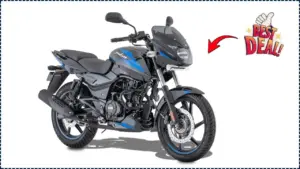

The comparison between Bajaj Pulsar 125 vs 150 remains one of the most relevant buying decisions in India’s commuter motorcycle segment in 2026. With rising fuel prices and evolving rider expectations, buyers are increasingly weighing cost, mileage, and performance.
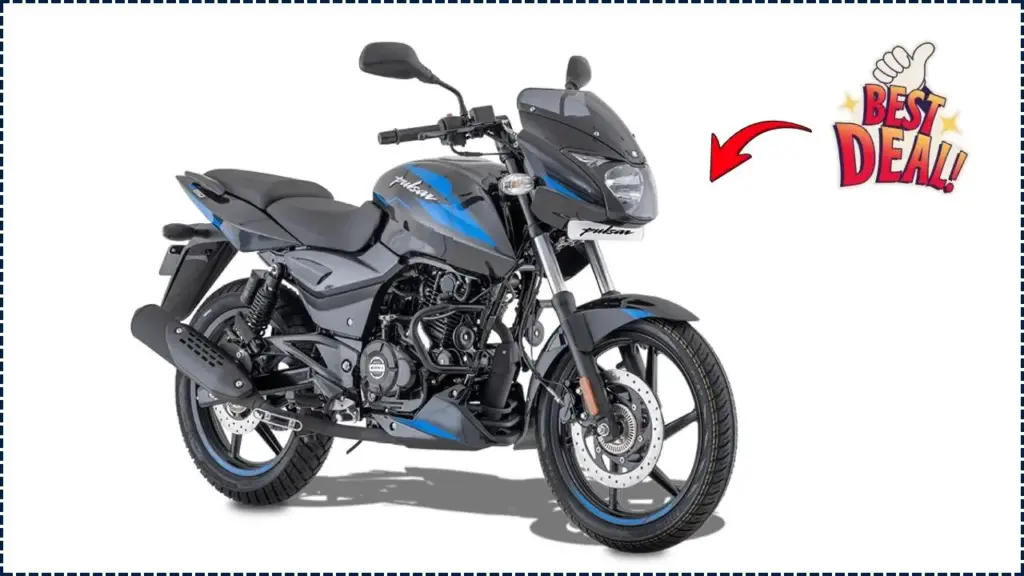
Both models from Bajaj Auto Ltd offer proven reliability and strong brand value, but cater to different priorities, making this comparison crucial for informed decision-making.
Table of Contents
Bajaj Pulsar 125 vs 150 — Key Differences at a Glance
At a structural level, both motorcycles share a similar chassis, design language, and brand identity. However, the differentiation lies in engine capacity, power delivery, and riding purpose.
- Pulsar 125: Entry-level performance commuter.
- Pulsar 150: Mid-range sporty commuter.
This positioning influences everything from pricing to user demographics.
Engine Performance and Riding Dynamics
Power, Torque, and Acceleration
- Pulsar 125: ~11.8 PS power.
- Pulsar 150: ~14 PS power.
The Pulsar 150 delivers stronger acceleration, particularly noticeable during overtakes and highway riding. Automotive engineers highlight that “higher displacement engines offer better torque delivery, improving real-world usability.”
Real-World Riding Experience
- Pulsar 125: Smooth, predictable, ideal for stop-and-go traffic.
- Pulsar 150: More responsive, suited for mixed riding conditions.
The difference becomes more apparent when riding with a pillion or on inclines.
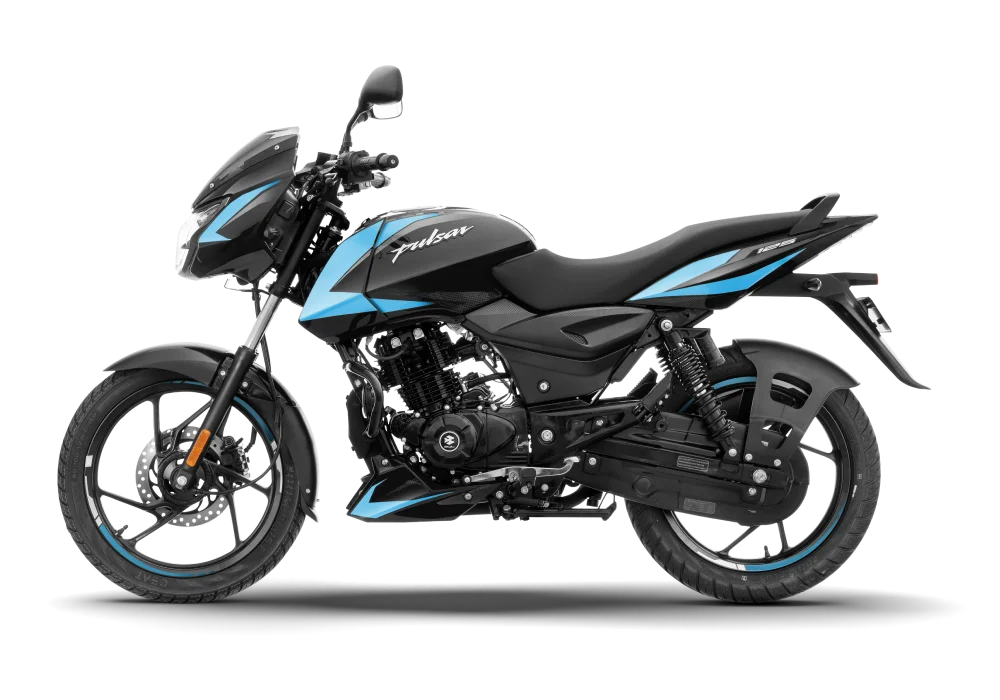
Mileage and Fuel Efficiency — Real vs Claimed
Fuel efficiency is a primary factor for Indian commuters.
- Pulsar 125: ~50–51 kmpl (claimed).
- Pulsar 150: ~47–48 kmpl (claimed).
Real-World Observations:
- City mileage may drop by 10–15%.
- Riding habits significantly influence consumption.
Experts note that “consistent riding and proper maintenance can improve mileage outcomes.”
Cost of Ownership — A Critical Differentiator
Beyond purchase price, long-term ownership costs are crucial.
Fuel Costs
Higher mileage gives the Pulsar 125 an advantage over time.
Maintenance and Servicing
Both bikes benefit from Bajaj’s extensive service network.
- Pulsar 125: Lower service cost.
- Pulsar 150: Slightly higher due to larger engine.
Spare Parts and Repairs
Parts are widely available and affordable for both models.
Insurance, EMI, and Financing Trends
In 2026, a significant portion of buyers rely on financing.
- Pulsar 125: Lower EMI (₹2,000–₹2,500 range).
- Pulsar 150: Higher EMI due to price difference.
Insurance premiums also vary slightly based on engine size. Financial advisors suggest that “entry-level buyers often prioritise lower monthly commitments.”
Safety Features and Braking Performance
Both bikes include essential safety features:
- Disc brake option.
- Combined Braking System (CBS).
Key Differences:
- Pulsar 150 offers slightly better braking stability due to higher weight.
- Wider tyres improve grip at higher speeds.
Safety experts recommend choosing variants with disc brakes for improved stopping power.
Comfort, Ergonomics, and Daily Usability
Seating and Posture
Both bikes offer upright seating suitable for long commutes.
Suspension
- Pulsar 125: Comfortable for city use.
- Pulsar 150: Better stability on uneven roads.
Traffic Handling
The lighter Pulsar 125 is easier to handle in congested conditions.
Design, Styling, and Road Presence
Both models retain the signature Pulsar design, including muscular tank styling and sporty aesthetics.
However:
- Pulsar 150 appears more premium.
- Larger size gives it better road presence.
Younger buyers often prefer the Pulsar 150 for its more aggressive stance.
Resale Value and Long-Term Durability
Resale Trends
Both bikes maintain strong resale value.
- Pulsar 125: Popular among budget buyers.
- Pulsar 150: Preferred for performance resale.
Durability
Long-term users report:
- Reliable engines.
- Minimal major repairs.
- Strong build quality.
Mechanics note that “regular servicing ensures these bikes last well beyond five years.”
User Feedback and Ownership Experience
Consumer feedback highlights distinct preferences:
Pulsar 125 Owners Say:
- Affordable and efficient.
- Easy to maintain.
- Ideal for daily commuting.
Pulsar 150 Owners Say:
- Better performance.
- More enjoyable riding experience.
- Suitable for longer distances.
Competition in the Segment
Both bikes face strong competition in 2026:
- TVS Apache RTR 160 (performance-focused).
- Honda SP 125 (efficiency-focused).
- Yamaha FZ series (premium commuter).
This competition has pushed manufacturers to improve features and efficiency.
Petrol vs Electric — Changing Buyer Mindset
Electric two-wheelers are gaining traction, but Pulsar models remain popular due to:
- Lower upfront cost.
- Established fuel infrastructure.
- Proven long-term reliability.
Experts believe petrol commuters will remain dominant in the near term.
Future Outlook for Pulsar Series
The Pulsar brand continues to evolve with:
- Improved fuel efficiency technologies.
- Updated styling.
- Potential hybrid integration in future.
Industry analysts expect continued demand for commuter-performance hybrids.
Related Links
Bajaj Pulsar N160 vs TVS Apache RTR 160: Who is the Real 160cc King?
BMW M 1000 R Unveiled: Stunning Looks & Rocket Speed to Blow Your Mind!
Final Buyer Decision — Which Should You Choose?
Choose Pulsar 125 If:
- Budget is limited.
- You prioritise mileage.
- Daily city commuting is your primary use.
Choose Pulsar 150 If:
- You want better performance.
- Ride on highways frequently.
- Prefer a sportier riding experience.
The Bajaj Pulsar 125 vs 150 comparison reflects a broader shift in India’s two-wheeler market, where buyers seek a balance between cost efficiency and performance. While the Pulsar 125 delivers affordability and fuel savings, the Pulsar 150 offers enhanced power and versatility.
Both motorcycles remain strong contenders in their respective segments, and the final choice depends on individual priorities, riding patterns, and financial considerations.