
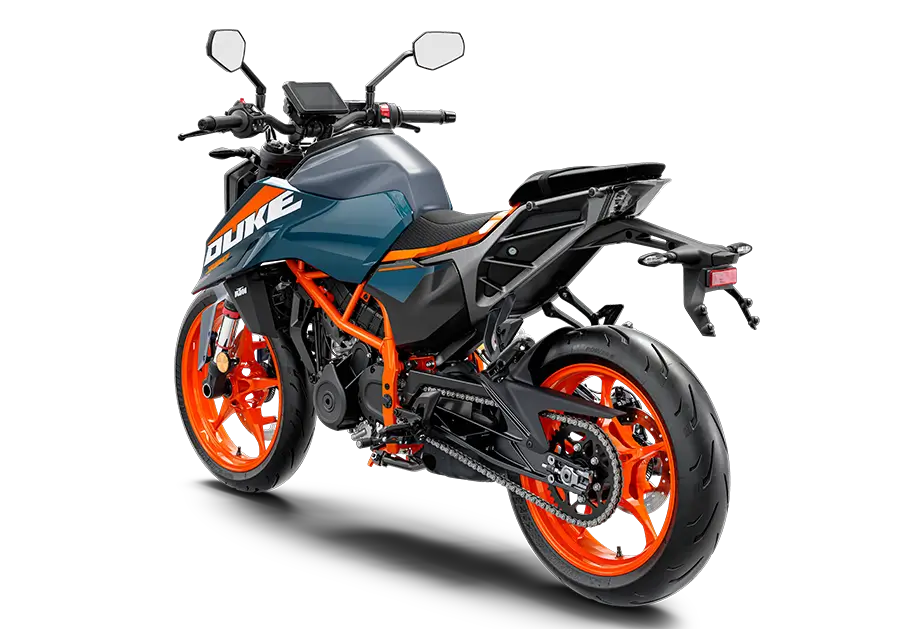
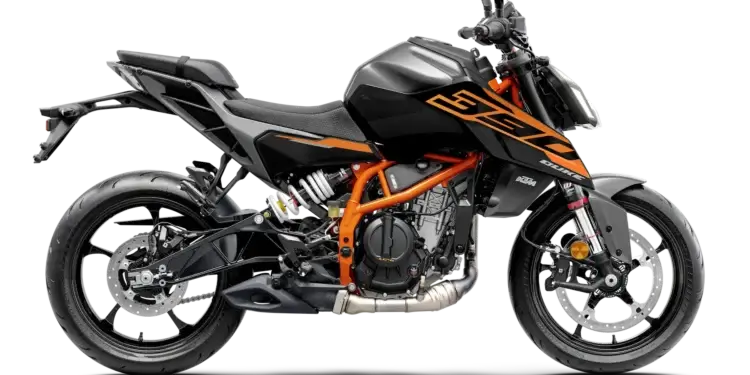
The KTM 390 Duke price hike of around ₹40,000 has significantly altered the positioning of one of India’s most popular performance motorcycles. The increase, driven by tax policy changes, cost pressures, and strategic realignment, is also widely seen as a precursor to KTM launching a more affordable sub-350cc motorcycle to expand its market reach.
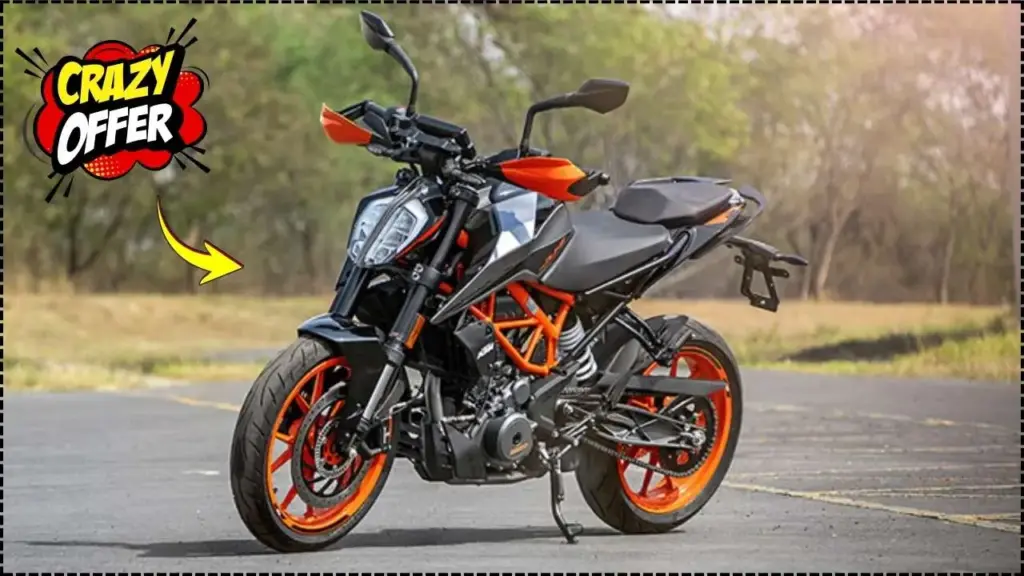
Table of Contents
KTM 390 Duke Price Hike
| Key Factor | Details | Industry Significance |
|---|---|---|
| Price Increase | ~₹40,000 jump | One of the steepest hikes in segment |
| Tax Impact | High GST on >350cc bikes | Major structural cost driver |
| Strategy | Premium repositioning | Moves bike upmarket |
| Future Plan | Possible 350cc model | Lower tax, broader appeal |
| Market Effect | Buyer hesitation likely | Segment reshaping expected |
KTM 390 Duke Price Hike: A Sudden but Strategic Move
The KTM 390 Duke has long been positioned as an entry-level performance motorcycle, offering advanced features and strong engine performance at a relatively accessible price point.
However, the recent ₹40,000 increase has disrupted that balance. The revised pricing pushes the motorcycle into a higher premium bracket, bringing it closer to larger-capacity bikes in terms of cost. Industry analysts note that the move is not purely reactive but part of a deliberate long-term strategy to restructure KTM’s product lineup in India.
Taxation: The Core Driver Behind the Price Jump
Understanding GST on Motorcycles
India’s Goods and Services Tax (GST) framework plays a central role in the KTM 390 Duke price hike. Motorcycles above 350cc attract significantly higher tax rates, often reaching close to 40% when cess is included. This creates a sharp pricing divide between sub-350cc and higher-capacity motorcycles.
Earlier Cost Absorption No Longer Sustainable
Previously, KTM’s manufacturing partner absorbed part of this tax burden to maintain competitive pricing. However, with rising production costs and tightening margins, this approach has become increasingly difficult. An industry executive explained, “Manufacturers cannot indefinitely shield customers from structural tax costs. At some point, prices must reflect reality.”
Rising Costs and Regulatory Pressures
Beyond taxation, several macroeconomic factors have contributed to the price hike:
- Raw material inflation: Steel, aluminum, and electronic components have seen cost increases.
- Supply chain disruptions: Global logistics challenges continue to affect manufacturing timelines and costs.
- Regulatory compliance: Stricter emission norms and safety requirements add to production expenses.
These pressures are affecting the entire two-wheeler industry, not just KTM.
Strategic Repositioning: Moving Upmarket
Premium Branding Approach
The KTM 390 Duke price hike reflects a clear shift toward premium positioning. By increasing prices, KTM is reinforcing the 390 series as a high-performance offering rather than an entry-level option. This aligns with global branding trends, where manufacturers focus on higher margins and stronger brand identity.
Creating Space for New Products
Equally important is the space this move creates in KTM’s lineup. By pushing the 390 Duke upward, the company opens a gap below it—ideal for introducing a new, more affordable motorcycle.
A New Affordable KTM: What We Know So Far
Sub-350cc Platform in Development
Industry reports suggest KTM is working on a motorcycle in the 300–350cc range. This model would fall under a lower GST bracket, significantly reducing its price.
Expected Features
- Similar design language to the 390 Duke.
- Slightly reduced engine output.
- Retention of key features like digital display and ride modes.
- Lower overall cost.
Strategic Advantage
This approach allows KTM to maintain its premium identity while still attracting entry-level buyers. An automotive analyst noted, “This is a textbook example of segmentation—protect the premium product while introducing a mass-market alternative.”
Competitive Landscape: Pressure from Rivals
The price hike also comes at a time when competition in the mid-capacity motorcycle segment is intensifying. Brands offering 300–400cc motorcycles at competitive prices are gaining traction, forcing KTM to rethink its positioning. The 390 Duke now competes less with entry-level performance bikes and more with premium offerings, which may alter buyer preferences.
Consumer Impact: Who Gains and Who Loses?
Performance Enthusiasts
Buyers prioritizing performance and brand value may continue to choose the 390 Duke despite the higher price.
Price-Sensitive Buyers
For budget-conscious consumers, the price hike may push the motorcycle out of reach. Many may either downgrade to smaller bikes or wait for the rumored affordable KTM model.
Dealers’ Perspective
Dealers report steady inquiries but increased hesitation at the final purchase stage. Customers are spending more time comparing options before making decisions.
Global Context: KTM’s Broader Strategy
KTM’s move in India mirrors a broader global trend where manufacturers are:
- Focusing on premium segments for higher profitability.
- Expanding entry-level offerings to capture volume.
- Optimizing product portfolios for regional tax structures.
India, being one of the largest two-wheeler markets, plays a crucial role in this strategy.
What Happens Next?
Short-Term Outlook
Sales of the KTM 390 Duke may experience temporary fluctuations as the market adjusts to the new pricing.
Long-Term Impact
If KTM launches a sub-350cc motorcycle, it could:
- Expand the brand’s customer base.
- Increase overall sales volume.
- Strengthen KTM’s position across multiple price segments.
Related Links
Royal Enfield Hunter 350 Upgrade: New Base Model Gets Premium Features
New TVS Apache RTR 160 4V Launched: Top Features and Updated On-Road Price
The KTM 390 Duke price hike underscores the complex interplay between taxation, market dynamics, and corporate strategy. While the increase may challenge affordability in the short term, it could ultimately lead to a more diverse product lineup, offering options for both premium enthusiasts and entry-level riders.
FAQs
Why is the KTM 390 Duke so expensive now?
The price increase is mainly due to higher GST rates on motorcycles above 350cc and rising production costs.
Will KTM launch a cheaper bike?
Industry reports indicate a sub-350cc model is likely, which would benefit from lower taxes.
Should buyers wait?
Those seeking better value may consider waiting for new launches, while performance-focused buyers may still opt for the 390 Duke.