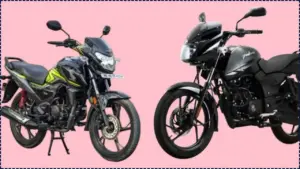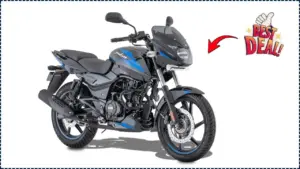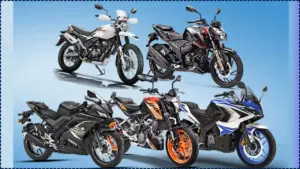

As fuel prices remain elevated and commuting costs rise, the demand for the best mileage bikes 2026 has increased sharply across India.
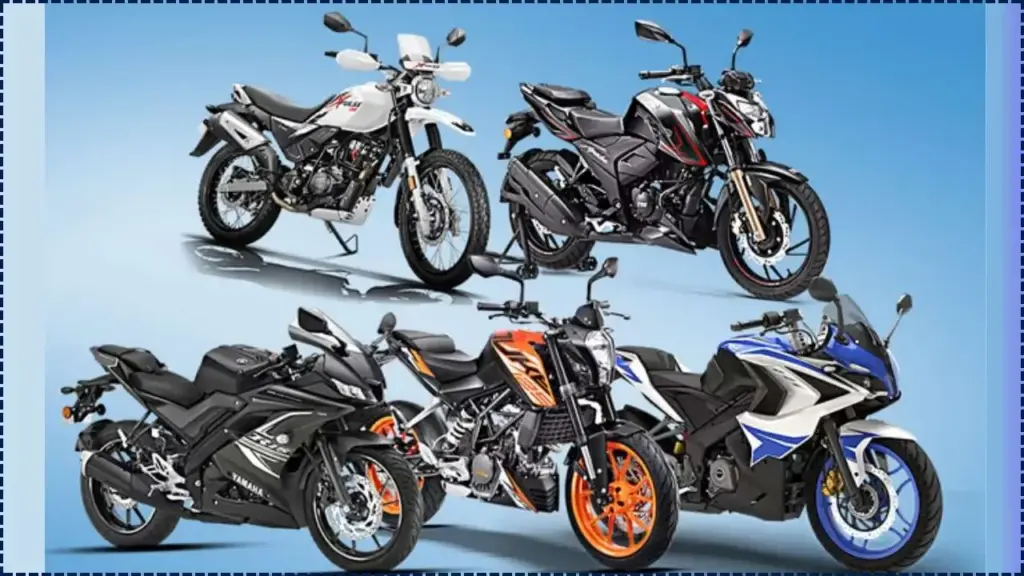
Manufacturers have responded with highly efficient commuter motorcycles delivering over 70 kmpl, particularly in the 100–125cc segment. These bikes offer a balance of affordability, reliability, and low running costs, making them essential for millions of daily riders.
Table of Contents
Why Best Mileage Bikes 2026 Are in High Demand
India remains one of the largest two-wheeler markets globally, with commuter motorcycles forming the backbone of daily mobility. Rising petrol prices, urban congestion, and increasing gig economy jobs have made fuel efficiency a primary buying factor. According to industry analysts, commuters prioritise “cost per kilometre” over performance in the entry-level segment. The 100cc–125cc category dominates this space due to its ability to deliver high mileage while keeping purchase costs low.
Top Best Mileage Bikes 2026 (70+ KMPL Segment)
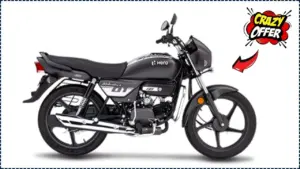
1. Hero Splendor Plus XTEC
- Mileage: 70–73 kmpl
- Engine: 97.2cc
The Hero Splendor Plus continues to lead India’s commuter market due to its reliability and low maintenance costs. Its strong resale value and widespread service network make it a preferred choice.
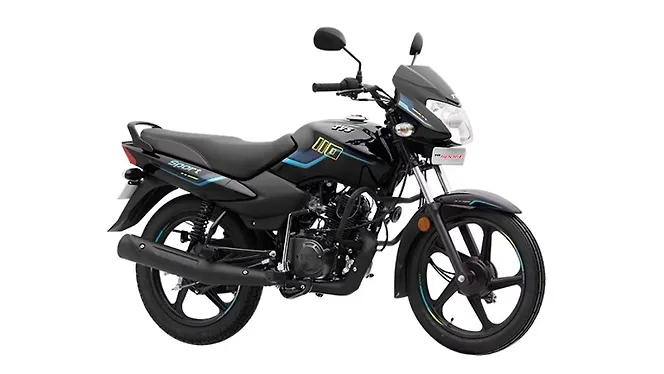
2. TVS Sport
- Mileage: 70–80 kmpl
- Engine: 109.7cc
The TVS Sport is among the most fuel-efficient motorcycles available, offering one of the highest mileage figures in its segment.
3. Bajaj Platina 100 / 110
- Mileage: 70–75 kmpl
- Engine: 102cc / 115cc
Known for comfort and efficiency, the Bajaj Platina is widely used by delivery riders due to its suspension and low running cost.
4. Hero HF Deluxe
- Mileage: ~70 kmpl
- Engine: 97cc
An entry-level commuter, the HF Deluxe offers affordability with dependable performance.
5. TVS Star City Plus
- Mileage: ~70 kmpl
- Engine: 110cc
It combines efficiency with better styling and features compared to basic commuter models.
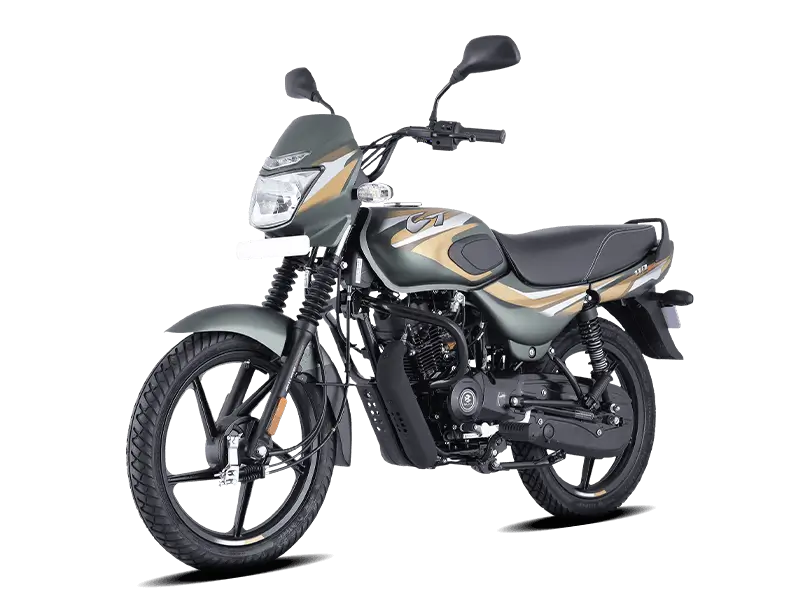
6. Bajaj CT 110
- Mileage: ~70 kmpl
- Engine: 115cc
Designed for rugged usage, the CT 110 is popular in rural and semi-urban markets.
Real-World Mileage vs Claimed Figures
Manufacturers often publish mileage figures based on ideal test conditions. However, real-world mileage can vary significantly.
Key Factors Affecting Mileage:
- Traffic conditions
- Riding style (aggressive vs smooth)
- Load and pillion weight
- Road conditions
- Maintenance quality
Industry experts estimate that real-world mileage is typically 10–15% lower than claimed figures.
Cost of Ownership — Beyond Mileage
Mileage alone does not determine affordability. Total cost of ownership includes:
Fuel Cost
Higher mileage directly reduces monthly fuel expenses.
Maintenance
Brands like Hero and Honda are known for low service costs.
Spare Parts Availability
Widespread availability reduces downtime and repair costs.
Insurance and Registration
Lower engine capacity bikes typically have cheaper insurance premiums.
Resale Value and Market Liquidity
Commuter bikes such as Splendor and Platina maintain strong resale value due to high demand in the second-hand market. Dealers note that “high-mileage bikes are easier to resell because they appeal to cost-conscious buyers.” This liquidity reduces long-term ownership risk.
Regional Usage Patterns in India
Usage patterns vary across regions:
- Urban areas: Preference for lightweight bikes with better mileage
- Rural areas: Demand for rugged bikes like CT 110
- Tier-2 cities: Balanced demand for comfort and efficiency
The rise of delivery services has further boosted demand for high-mileage bikes nationwide.
Environmental Impact and Emission Norms
Fuel-efficient bikes contribute to lower carbon emissions compared to larger-engine motorcycles. India’s transition to BS6 (Bharat Stage VI) emission norms has pushed manufacturers to develop cleaner and more efficient engines. However, experts note that internal combustion engines still contribute to urban pollution, highlighting the need for cleaner mobility solutions.
Comparison with Electric Two-Wheelers
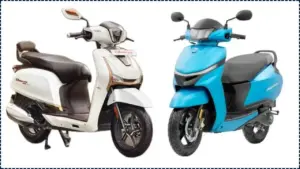
Electric scooters are emerging as an alternative to petrol bikes. However, mileage bikes continue to dominate due to:
- Lower upfront cost
- Wider refuelling infrastructure
- Proven reliability
Electric vehicles offer lower running costs but face challenges such as charging infrastructure and battery replacement costs.
Financing Trends and Buyer Behaviour
Many buyers in the commuter segment rely on financing options.
Banks and NBFCs offer:
- Low down payment schemes.
- EMI options starting under ₹2,000.
- Flexible repayment plans.
This accessibility has expanded the market, especially in semi-urban and rural areas.
Expert Insights on Buying Decisions
Automobile analysts advise buyers to consider:
- Daily usage distance.
- Budget constraints.
- Service network availability.
- Long-term reliability.
A senior analyst noted, “Mileage is critical, but buyers should not ignore comfort and durability.”
Related Links
Yamaha XSR155 Arrives with Retro Style! A Tough Rival for Hunter 350?
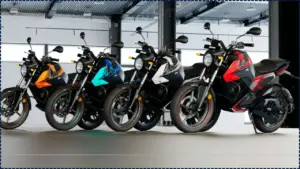
Revolt RV1: The Most Affordable Electric Bike with 160 KM Range!
Future Outlook for Mileage Bikes in India
Despite the growth of electric mobility, petrol commuter bikes are expected to remain dominant in the near term. Manufacturers are working on:
- Improved fuel injection systems.
- Lightweight materials.
- Hybrid technologies.
These innovations could push mileage figures even higher in coming years.
The best mileage bikes 2026 segment continues to be led by proven commuter models offering over 70 kmpl. While newer technologies are emerging, affordability and practicality keep these bikes relevant for millions of Indian consumers.
For buyers, the decision ultimately depends on balancing mileage, cost, comfort, and long-term reliability. As the market evolves, fuel-efficient bikes will remain a cornerstone of India’s mobility landscape.