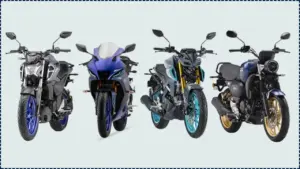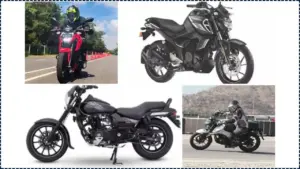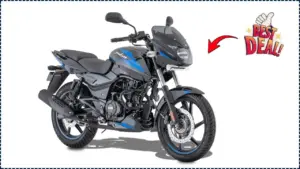

The Bajaj Pulsar N160 vs TVS Apache RTR 160 comparison reflects one of the most closely contested rivalries in India’s commuter-sport motorcycle market.
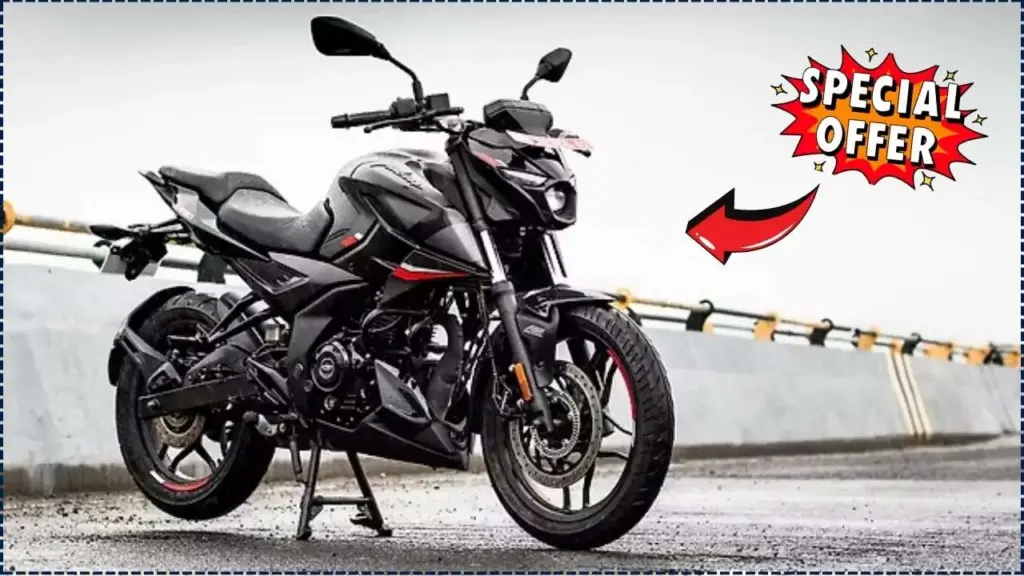
Both motorcycles target riders seeking a balance between daily usability and performance. With similar pricing and specifications, the decision increasingly depends on riding preference, feature requirements, and long-term ownership considerations.
Table of Contents
Bajaj Pulsar N160 vs TVS Apache RTR 160: Segment Context
The 160cc segment plays a crucial role in India’s two-wheeler industry, offering a step up from entry-level commuter motorcycles while remaining relatively affordable. Bajaj Auto positions the Pulsar N160 as a refined, everyday performance motorcycle.
TVS Motor Company continues to leverage its racing heritage through the Apache RTR series, emphasising performance and innovation.
According to industry observers, this segment has evolved significantly over the past decade, with buyers expecting premium features and improved riding dynamics.
Engine and Performance Characteristics
Bajaj Pulsar N160
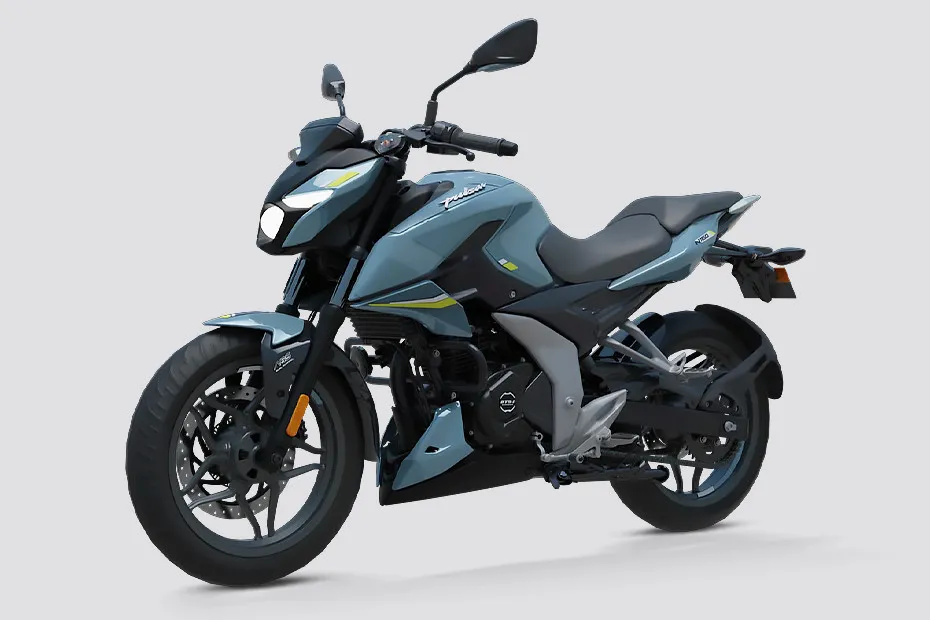
The Pulsar N160 uses a 164.82cc oil-cooled engine producing approximately 16 PS and 14.65 Nm of torque. The tuning prioritises strong low- and mid-range performance.
TVS Apache RTR 160
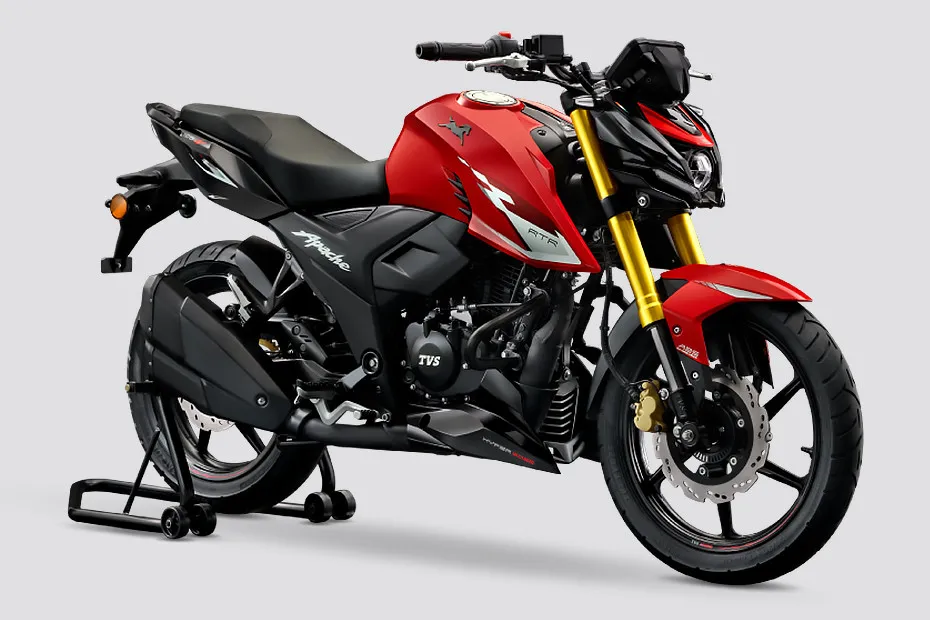
The Apache RTR 160 is powered by a 159.7cc engine generating around 16.04 PS and 13.85 Nm of torque. It is designed to deliver stronger top-end performance.
Performance Interpretation
Automotive experts state that the Pulsar provides smoother acceleration in city conditions, while the Apache offers better performance at higher speeds due to its rev-friendly engine.
Ride and Handling Dynamics
The Pulsar N160’s heavier build enhances stability, especially during highway cruising. Its suspension setup is tuned for comfort, absorbing road irregularities effectively.
The Apache RTR 160, being lighter, offers quicker handling and sharper cornering. Its suspension is relatively stiffer, improving control during aggressive riding. Experts suggest that these differences reflect distinct target audiences: commuters versus performance enthusiasts.
Technology and Digital Features
Pulsar N160
- Dual-channel ABS.
- LED projector headlamp.
- Semi-digital console.
Apache RTR 160
- Ride modes (Urban, Sport, Rain in higher variants).
- Bluetooth connectivity (SmartXonnect).
- Fully digital display.
The Apache’s feature set aligns with increasing demand for connected technology in motorcycles.
Real-World Usage Scenarios
Urban Commuting
The Pulsar N160’s smooth power delivery and comfortable ergonomics make it suitable for daily commuting.
Highway Riding
Both motorcycles can handle highway speeds, but the Pulsar offers better stability, while the Apache provides higher revving performance.
Occasional Sport Riding
The Apache RTR 160 is better suited for spirited riding due to its lighter weight and sharper handling.
Fuel Efficiency and Cost of Ownership
Fuel efficiency for both motorcycles is similar, averaging around 45 km/l under standard conditions.
Ownership costs include:
- Regular servicing
- Spare parts
- Fuel expenses
Industry experts note that Bajaj’s widespread service network may offer a slight advantage in maintenance accessibility, while TVS is also expanding its service reach rapidly.
Design Philosophy and Brand Identity
The Pulsar N160 features a modern, muscular design inspired by larger displacement models. The Apache RTR 160 maintains a race-inspired aesthetic, reflecting its association with motorsports. Brand identity plays a significant role in buyer decisions, particularly among younger consumers.
After-Sales Service and Reliability
Both Bajaj and TVS have established service networks across India.
- Bajaj is known for extensive reach and cost-effective servicing.
- TVS focuses on improving customer experience and service quality.
Reliability for both models is considered strong, with proven engine platforms and consistent performance over time.
Resale Value and Market Perception
Resale value is influenced by brand reputation, demand, and maintenance history. Historically, Pulsar models have maintained strong resale value due to widespread popularity. Apache motorcycles also hold value well, particularly among performance-oriented buyers.
Safety, Regulations, and Compliance
Both motorcycles comply with Bharat Stage VI (BS6) emission standards. Safety features such as ABS are now standard, reflecting regulatory requirements. Experts emphasise that rider awareness and adherence to traffic rules remain critical for safety.
Consumer Behaviour and Buying Trends
The 160cc segment attracts diverse buyers, including:
- Young professionals.
- College students.
- Upgraders from 125cc motorcycles.
Consumer preferences increasingly prioritise:
- Styling
- Features
- Brand value
- Fuel efficiency
Expert Opinions and Market Analysis
Industry analysts describe the competition between Bajaj and TVS as a reflection of broader trends in India’s motorcycle market. “These products show how manufacturers are integrating performance and technology at accessible price points,” said an automotive analyst in New Delhi. Dealerships report that test rides and brand loyalty often influence final purchase decisions.
Related Links
Best Mileage Bikes 2026: Top 5 Affordable Bikes Delivering 70+ KMPL
Bajaj Platina 110 Finance Plan: Get 800 KM Range at Just ₹2,300 EMI!
Broader Industry Implications
The rivalry between Bajaj and TVS highlights increasing competition and innovation in India’s two-wheeler sector.
Manufacturers are focusing on differentiation through:
- Advanced features
- Improved performance
- Strong brand positioning
This trend is expected to continue as consumer expectations evolve.
The Bajaj Pulsar N160 vs TVS Apache RTR 160 comparison demonstrates how two similarly positioned motorcycles can cater to different rider preferences. The Pulsar emphasises comfort, stability, and practicality, while the Apache focuses on performance and technology. The choice ultimately depends on individual priorities, reflecting the diversity of India’s motorcycle market.