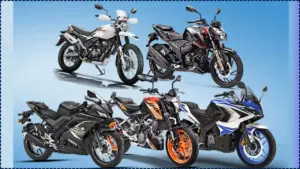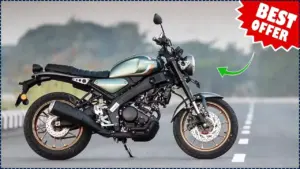

The arrival of the Yamaha XSR155 has intensified the Yamaha XSR155 vs Hunter 350 competition in India’s fast-growing retro motorcycle segment. While Yamaha’s offering brings modern engineering and lightweight performance, the Hunter 350 continues to attract buyers with its torque-heavy engine and classic appeal, creating a closely contested market scenario.
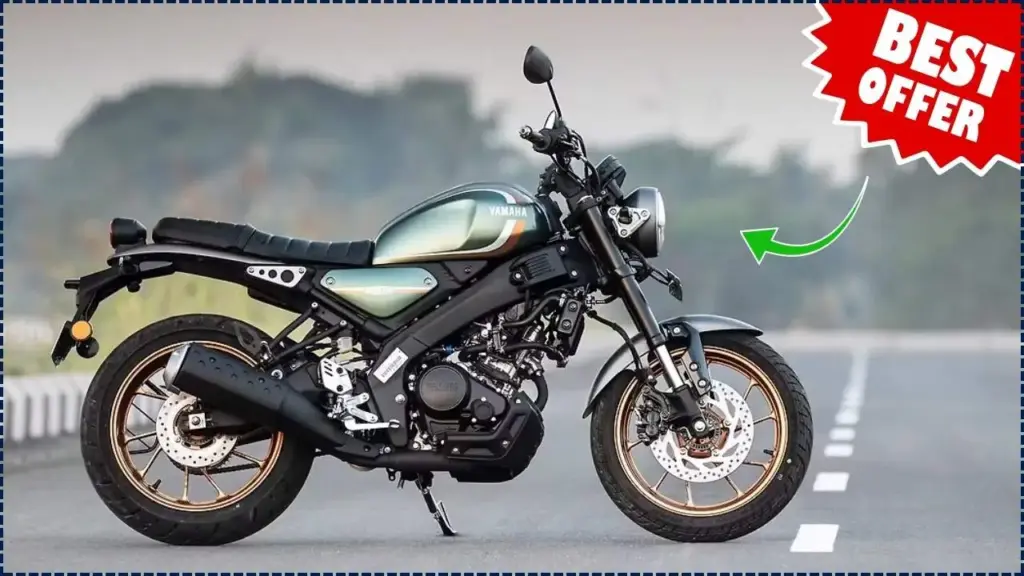
Table of Contents
Segment Evolution: Why Retro Bikes Are Gaining Popularity
India’s motorcycle market is witnessing a steady rise in demand for retro and neo-retro motorcycles. This trend is driven by younger consumers who value design, identity, and lifestyle appeal alongside performance.
The Yamaha XSR155 represents a modern reinterpretation of retro design, while the Royal Enfield Hunter 350 draws heavily from traditional styling cues. Analysts note that this segment is no longer niche, with increasing competition from multiple manufacturers.
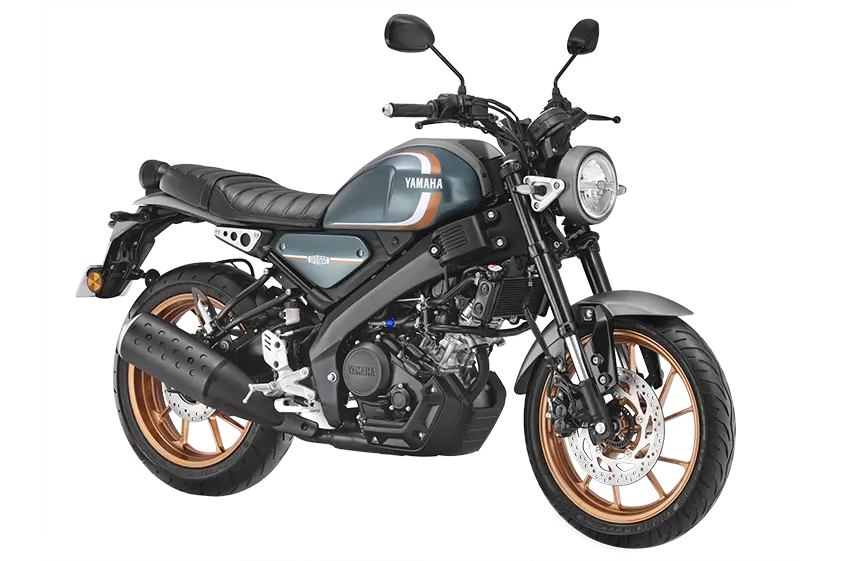
Design and Visual Identity: Modern Retro vs Classic Legacy
Yamaha XSR155
- Neo-retro design with modern touches.
- Lightweight and compact proportions.
- Premium elements like USD forks and LED lighting.
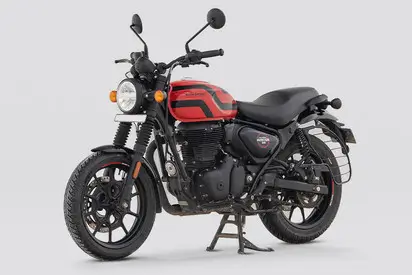
Hunter 350
- Classic retro styling rooted in heritage.
- Larger, muscular stance.
- Minimalist yet robust appearance.
Insight:
The XSR155 appeals to modern urban riders, while the Hunter 350 caters to those seeking timeless aesthetics.
Engine and Performance: Two Distinct Riding Philosophies
| Specification | Yamaha XSR155 | Hunter 350 |
|---|---|---|
| Engine | 155cc | 349cc |
| Power | ~18.4 PS | ~20.2 PS |
| Torque | ~14.2 Nm | ~27 Nm |
Performance Analysis
The XSR155 features a high-revving engine derived from Yamaha’s performance lineup, offering quick acceleration and sporty dynamics. The Hunter 350 focuses on torque delivery, enabling smoother low-speed riding and better load-carrying capability.
Suspension, Braking and Ride Stability (NEW)
Yamaha XSR155
- USD front forks for improved handling.
- Lightweight chassis enhances cornering.
- Single-channel ABS.
Hunter 350
- Telescopic front forks.
- Heavier frame improves stability.
- Dual-channel ABS.
Analysis:
The XSR155 offers sharper handling, while the Hunter 350 provides better stability, especially at higher speeds.
Comfort and Ergonomics
Yamaha XSR155
- Slightly aggressive riding posture.
- Higher seat height.
- Better suited for solo riders.
Hunter 350
- Upright seating position.
- Lower seat height.
- Comfortable for long rides and pillion.
Mileage and Fuel Efficiency
- XSR155: ~45–46 km/l
- Hunter 350: ~35–36 km/l
The Yamaha offers better fuel economy, making it more suitable for daily commuting.
Features and Technology
Yamaha XSR155
- Digital instrument cluster.
- Variable Valve Actuation (VVA).
- Traction control.
- Modern electronics.
Hunter 350
- Semi-digital console.
- Tripper navigation (optional).
- Dual-channel ABS.
Ownership Cost and Insurance (NEW)
Yamaha XSR155
- Lower fuel consumption.
- Lower insurance premium due to smaller engine.
- Moderate maintenance cost.
Hunter 350
- Higher fuel consumption.
- Higher insurance cost.
- Strong resale value offsets expenses.
Customization and Lifestyle Appeal (NEW)
The retro segment thrives on customization.
Hunter 350
- Wide aftermarket support.
- Strong customization culture.
- Popular among enthusiasts.
XSR155
- Limited but growing customization options.
- Appeals to minimalist styling trends.
Resale Value and Brand Strength
Royal Enfield enjoys strong brand loyalty and higher resale value across India. Yamaha, while respected for reliability, does not match Royal Enfield’s resale strength in the retro segment.
Urban vs Highway Performance (NEW)
City Riding
- XSR155 excels with agility and lighter weight.
Highway Riding
- Hunter 350 performs better due to torque and stability.
Competitive Landscape
Other competitors include:
- TVS Ronin.
- Jawa 42.
- Honda CB350.
However, the Yamaha XSR155 vs Hunter 350 rivalry remains central due to their contrasting identities.
Consumer Trends: Shift Toward Lifestyle Motorcycles
The competition reflects broader market trends:
- Buyers prioritise design and identity.
- Increasing demand for feature-rich bikes.
- Growing interest in retro aesthetics.
Future Outlook: What Lies Ahead
Industry experts predict:
- Expansion of neo-retro segment.
- Introduction of hybrid and electric retro bikes.
- Increased competition from global manufacturers.
The XSR155 signals Yamaha’s intent to strengthen its position in this evolving category.
Expert View
“This is not just a product rivalry but a contrast in philosophies—modern performance versus traditional character,” said an automotive analyst. Experts agree that both bikes cater to different user expectations rather than directly competing on identical parameters.
Related Links
Honda Activa vs TVS Jupiter: Which Family Scooter Wins in 2026?
Best Electric Bike Under ₹1 Lakh: Revolt RV1 Launched with 160 KM Range!
Final Verdict: Which Bike Should You Choose?
Choose Yamaha XSR155 if:
- You want lightweight and sporty performance.
- You prefer modern features.
- Mileage is important.
Choose Hunter 350 if:
- You want classic retro feel.
- Comfort and torque matter.
- Brand value is a priority.
The Yamaha XSR155 vs Hunter 350 comparison highlights a balanced competition shaped by differing priorities. The XSR155 delivers agility, efficiency, and modern technology, while the Hunter 350 offers torque, comfort, and strong brand legacy. For buyers, the decision ultimately depends on riding style, usage, and personal preference rather than a definitive winner.