
As EV adoption grows worldwide, understanding EV battery life, recognizing signs of deterioration, and employing strategies to extend range have become essential for owners. In 2026, batteries are longer-lasting than ever, but proactive management ensures maximum performance, lower costs, and sustainable use.
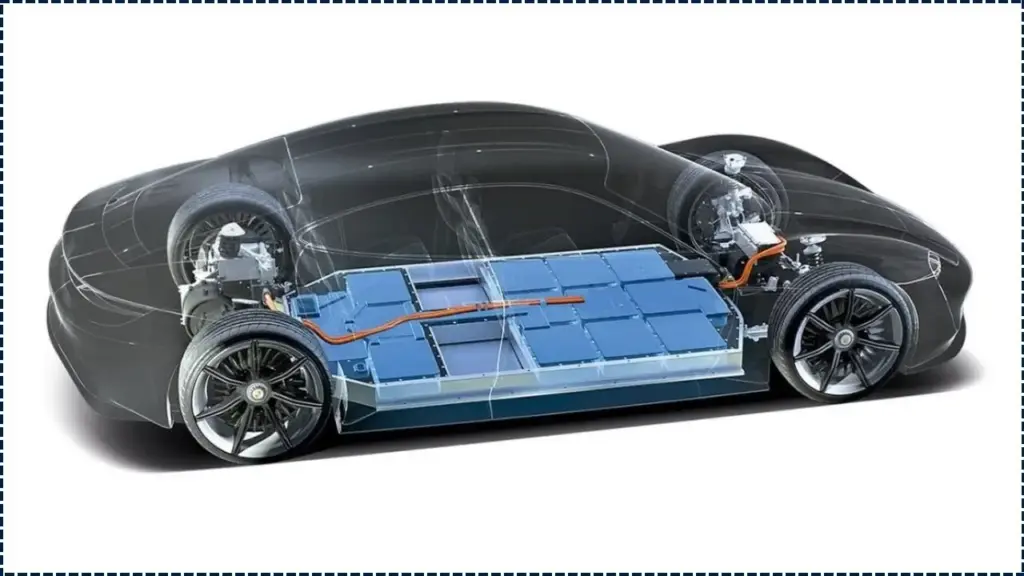
Table of Contents
EV Battery Life Guide 2026
| Key Fact | Detail / Statistic |
|---|---|
| Typical lifespan | 15–20 years, 100,000–200,000 miles |
| Annual degradation | 2–2.3% per year |
| Warranty coverage | 8–10 years, ~100,000–150,000 miles |
| Replacement triggers | Rapid range loss, low SoH, fault codes |
Historical Context: EV Battery Evolution
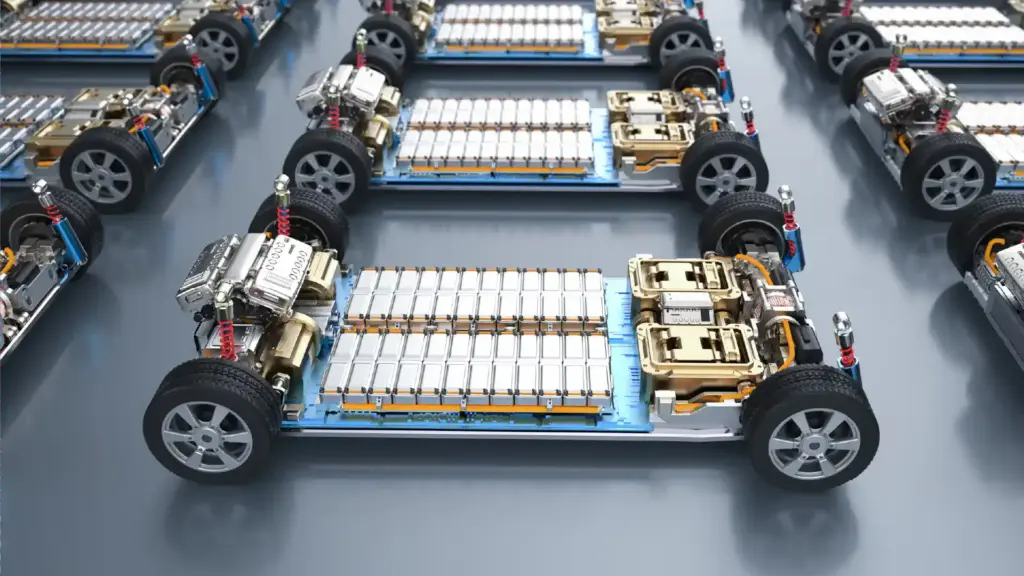
Early EVs faced rapid battery degradation due to less advanced lithium-ion chemistries and limited thermal management systems. Modern batteries now incorporate improved cell chemistry, active thermal control, and smart battery management systems (BMS), allowing them to retain over 80% capacity even after 8–10 years of use .
Understanding Battery Lifespan
EV batteries are designed for gradual capacity loss rather than sudden failure. Factors influencing lifespan include:
- Charging patterns (frequent fast-charging vs. Level 2 AC charging)
- Environmental exposure (extreme heat or cold)
- Driving style (aggressive acceleration and high-speed driving)
Even after a decade, many EV batteries continue to provide sufficient range for typical daily commutes .
Signs Your EV Battery May Need Replacement
Battery deterioration is gradual, but certain signs indicate it may require professional attention:
1. Noticeable Range Reduction
A sudden drop in range beyond expected seasonal variations or driving habits signals reduced capacity .
2. Increased Charging Frequency
Needing more frequent charges for the same driving distance indicates loss of storage efficiency.
3. Reduced State-of-Health (SoH) Metrics
EV dashboards or apps monitor SoH. Values below warranty thresholds (70–80%) often indicate deep degradation .
4. Warning Messages or Fault Codes
Battery imbalance, overheating, or internal cell faults detected by onboard diagnostics may necessitate replacement.
5. Performance Issues in Extreme Temperatures
Significant range drops in heat or cold indicate thermal stress or impaired cell performance.
Battery Chemistry Comparison
| Chemistry | Advantages | Limitations |
|---|---|---|
| Lithium-ion (Li-ion) | High energy density, mature technology, proven reliability | Sensitive to heat, gradual capacity loss over time |
| Sodium-ion | Better cold weather performance, lower raw material cost | Lower energy density than Li-ion, emerging tech |
| Solid-state | Higher energy density, longer life, faster charging | Currently expensive, limited commercial availability |
Emerging chemistries may provide longer lifespan, safer thermal profiles, and improved range retention, helping owners in extreme climates or high-mileage scenarios .
EV Battery Replacement Costs and Options
Replacement cost depends on battery size, model, and labor.
- Residential EVs: Typically several thousand dollars
- Luxury or high-capacity EVs: May exceed $10,000
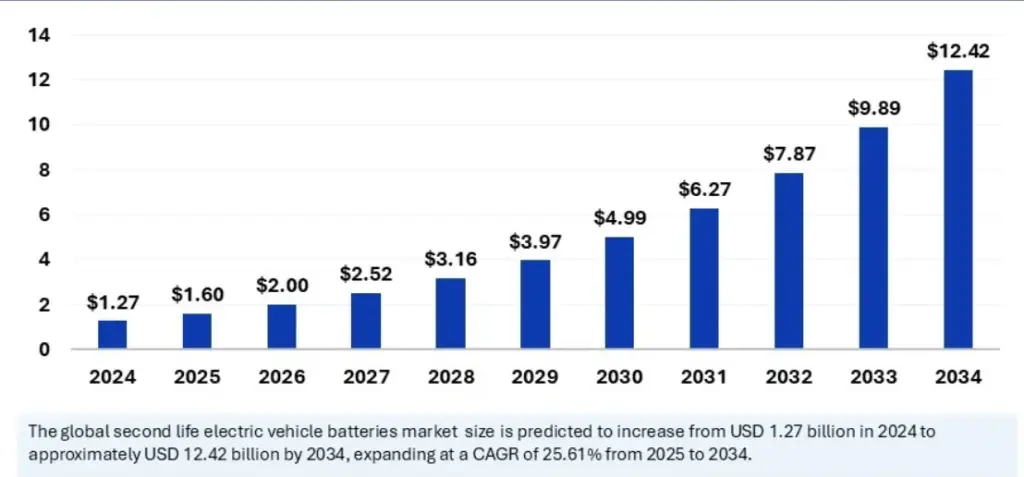
- Second-life options: Repurposed as stationary storage for homes or facilities, reducing environmental impact and cost
Tips to Extend EV Battery Life
Optimal Charging Practices
- Keep daily charge between 20–80% rather than full charges
- Use Level 2 AC charging for routine use instead of frequent DC fast charging
- Schedule charging completion to avoid extended periods at 100% capacity
Temperature Management
- Park in shaded or garage locations to reduce thermal stress
- Use preconditioning features before driving in extreme temperatures
Driving Habits
- Avoid aggressive acceleration or frequent high-speed driving
- Gentle braking and smooth driving help maintain battery health
Maintenance and Software Updates
- Keep BMS and EV firmware updated
- Monitor SoH regularly and schedule professional check-ups if anomalies appear
Financial and Environmental Implications
Maintaining battery health improves both economic and environmental outcomes:
- Reduces long-term replacement costs
- Preserves resale value
- Delays recycling, reducing associated carbon footprint
- Enables second-life applications like home energy storage
Cost-Benefit Analysis: Repair vs Replacement
Owners should evaluate whether:
- Battery is performing within warranty thresholds
- Reduced range affects daily usability
- Repair or refurbishment (cell balancing, module replacement) may extend life economically
Often, gradual degradation doesn’t justify full replacement, especially for city commuters or moderate daily drivers.
Emerging EV Battery Technologies in 2026
- Sodium-ion Batteries: Affordable and cold-resistant, ideal for winter-heavy regions
- Solid-state Batteries: High energy density and reduced degradation risk
- Smart BMS and Predictive Analytics: Monitor thermal stress and optimize charging, extending lifespan
Expert Perspectives
“Proper charging, moderate driving, and temperature management significantly prolong battery life,” said a senior automotive engineer. “Battery replacement is increasingly rare within the first decade of ownership.”
Safety and sustainability experts also recommend using old batteries for energy storage, reducing landfill impact while maximizing lifecycle value .
Related Links
Why Alberta is Canada’s Solar Powerhouse: The Surprising Success in the Frozen North
Australia’s Green Hydrogen Vision: Exporting ‘Liquid Sunshine’ to the World in 2026
EV battery technology in 2026 provides long lifespan and high reliability. Smart charging, thermal management, moderate driving, and routine software updates maximize range and lifespan, allowing owners to enjoy years of efficient, sustainable driving without unnecessary replacements.
FAQs
Q: Will my EV battery fail suddenly?
A: Rarely. Gradual range loss is the normal mode of aging .
Q: How can I monitor battery health?
A: Use dashboard SoH metrics or manufacturer-provided mobile apps.
Q: Can old batteries be reused?
A: Yes, as stationary storage or repurposed energy systems .
Q: Are software updates important?
A: Yes, they optimize BMS and can restore some range performance.