
The Delhi EV Subsidy Update: ₹24 Crore Disbursed to 12,000+ Beneficiaries via DBT marks a major milestone in the capital’s transition to electric mobility. The Delhi government has initiated direct transfers to verified applicants through the Direct Benefit Transfer (DBT) system, a move aimed at clearing months of backlog in subsidy payments.
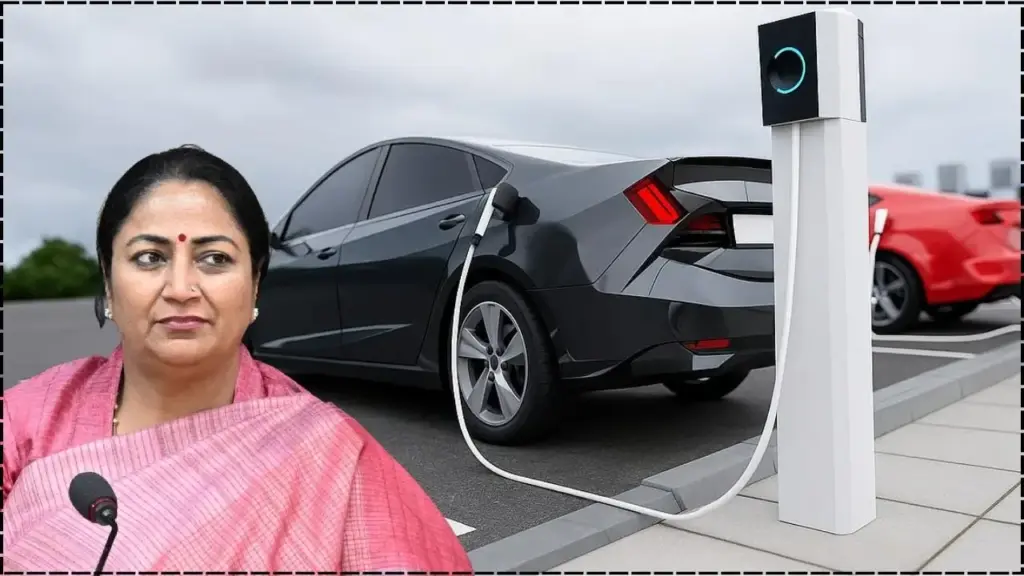
With the disbursement of ₹24 crore, the government hopes to expedite the adoption of electric vehicles (EVs) in the city, boost consumer confidence, and further its efforts to address air pollution.
Table of Contents
Delhi EV Subsidy Update: ₹24 Crore Disbursed to 12,000+ Beneficiaries via DBT
The Delhi Transport Department has begun the disbursement of approximately ₹24 crore in subsidies, benefitting 12,877 individual buyers. These payments are being transferred through the Public Financial Management System (PFMS) via the Direct Benefit Transfer (DBT) mechanism, ensuring funds reach beneficiaries directly into their bank accounts. The scheme aims to accelerate the city’s EV transition by making these vehicles more affordable to a wider audience.
Expanding Reach to Businesses and Fleet Operators
In addition to individual buyers, the Delhi government has also initiated transfers for 3,948 business entities and fleet operators engaged in electric mobility solutions. The initiative is part of Delhi’s broader strategy to promote clean transport solutions across both private and commercial sectors.
Background: The Delays, Legal Scrutiny, and Administrative Hurdles
The release of funds comes after several months of delays, which had created frustration among potential EV buyers. According to a report from the Delhi High Court, the delays had drawn legal attention, especially given the significant backlog of applications. The court ordered the government to expedite payments, especially after several hearings that highlighted administrative inefficiencies in the system.
Reasons Behind the Delay
Officials cited several reasons for the delays:
- Aadhaar-bank linkage issues: A number of applicants failed to correctly link their Aadhaar details with their bank accounts.
- Technical challenges: Online portals faced glitches and technical issues due to a high volume of applications.
- Verification issues: Some applications were stuck in the verification process, either due to incomplete documentation or fraudulent claims.
As a result of these challenges, Delhi witnessed a significant backlog of nearly 22,733 claims, amounting to over ₹30 crore in pending subsidies.
How the DBT System Strengthens the Subsidy Process
The adoption of DBT for subsidy disbursement ensures that funds reach the correct recipients in a streamlined and efficient manner. Previously, subsidies had been disbursed in a more traditional manner, often relying on intermediaries, which led to delays and inefficiencies.
Key Advantages of DBT:
- Direct Transfer of Funds: Eliminates the need for intermediaries, making the payment process more transparent and quicker.
- Accountability and Tracking: The Public Financial Management System (PFMS) ensures every transaction is traceable, improving accountability.
- Reduces Corruption: By directly transferring subsidies to the beneficiaries’ bank accounts, the system reduces the risk of leakage or corruption.
A government official mentioned that DBT not only accelerates the payment process but also ensures transparency, which helps prevent fraud.
Who Benefits: From Individual Buyers to Fleet Operators
Individual EV Buyers
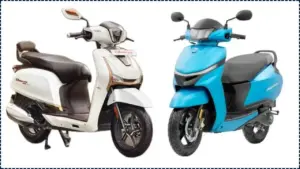
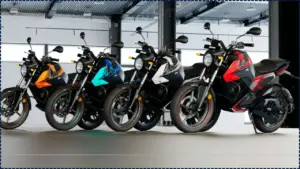
The largest share of the subsidy has gone to individuals purchasing electric two-wheelers, which are the most commonly adopted EVs in Delhi. Two-wheeler EVs are preferred by commuters due to their lower upfront cost and suitability for daily city commuting.
Commercial Entities
Additionally, commercial entities, especially those operating electric three-wheelers for deliveries, have been major beneficiaries of the subsidy. Delhi’s policy also aims to encourage businesses to adopt EVs to replace traditional fossil-fuel powered vehicles.
Financial Scale and Pending Claims
The Current Disbursement Status
As of now, ₹24 crore has been disbursed to 12,877 beneficiaries, with individual claims amounting to ₹17.5 crore. Meanwhile, ₹7.95 crore has been allocated to 3,948 businesses. However, authorities have acknowledged that there is still a backlog of cases that need to be processed.
Pending Amounts
According to reports, additional claims worth ₹7.25 crore remain under verification, and 16,892 applications are still being processed. Authorities have assured applicants that these will be prioritized in the next phase of DBT disbursements.
Policy Context: Delhi’s EV Transition and Incentive Scheme
Delhi introduced its Electric Vehicle Policy in 2020, with the goal of increasing the adoption of EVs and achieving a cleaner environment. The policy provides various incentives, including:
- Financial subsidies for individual buyers and fleet operators
- Exemptions from road tax and registration fees
- Incentives for establishing charging infrastructure
The policy has received strong backing from both environmental groups and industry stakeholders, as it aligns with the city’s urgent need to combat air pollution, which is among the highest in the world.
Environmental Impact: A Long-Term Strategy to Combat Pollution
Delhi’s air pollution crisis is primarily driven by emissions from vehicles. According to the Centre for Science and Environment (CSE), around 40% of the city’s pollution comes from vehicular emissions. Electric vehicles, which produce zero tailpipe emissions, offer a sustainable solution to this ongoing issue.
Expected Environmental Benefits
- Reduction in CO2 emissions: Increased adoption of EVs will reduce the city’s carbon footprint.
- Reduction in Noise Pollution: EVs are quieter than conventional vehicles, reducing noise pollution in the city.
- Improved Air Quality: EVs help lower particulate matter (PM) levels, a major contributor to respiratory diseases.
“EV adoption will be crucial to reduce the harmful pollutants that currently plague Delhi’s air,” said Dr. Anjali Sharma, an environmental expert.
Economic Impact: Encouraging Green Mobility
EV adoption also has positive implications for the economy:
- Reduced Import Costs: EVs rely on domestic electricity, reducing dependence on imported fossil fuels.
- Job Creation: As the EV ecosystem grows, jobs in manufacturing, battery technology, and charging infrastructure will expand.
- Cost Savings for Businesses: Electric vehicles generally have lower operating costs, including maintenance and fuel, compared to conventional vehicles.
Industry Reaction: Restoring Confidence
The government’s decision to clear the backlog of subsidy claims has been widely welcomed by the EV industry. EV manufacturers and dealers had been under pressure as delays in payments affected consumer confidence.
“Clearing pending subsidies will certainly help restore market trust, especially among first-time buyers who were hesitant due to the delays,” said Rajeev Gupta, CEO of a leading EV manufacturer.
Challenges and Concerns: Systemic Issues Remain
Despite the positive momentum, there remain several challenges that need to be addressed for the long-term success of the subsidy scheme.
Key Issues
- Verification Delays: While DBT has helped streamline payments, verification of claims still takes time, leading to frustration among applicants.
- Technical Glitches: Online portals often face crashes or slowdowns due to high traffic, causing delays in processing.
- Lack of Awareness: Many consumers still lack awareness about how to apply for subsidies, making the process more cumbersome for them.
Consumer advocacy groups have called for:
- Clearer guidelines on the application process
- Better customer service for resolving issues promptly
- Stronger coordination between departments for faster verification
Government’s Response and Future Strategy
Delhi’s Transport Minister, Pankaj Kumar Singh, has promised to accelerate the verification process for the remaining claims and ensure that all eligible applicants are paid without further delays. The government is also working on improving the subsidy portal and offering better user support.
Additionally, Delhi is preparing to roll out a new EV Policy for 2026, which aims to increase EV adoption even further by introducing enhanced incentives, expanding charging infrastructure, and promoting the use of EVs in public transport.
Broader National Context: India’s EV Goals
Delhi’s move is aligned with the national Faster Adoption and Manufacturing of Hybrid and Electric Vehicles (FAME) scheme. India is aiming to have 30% of its vehicles powered by electricity by 2030.
States across India have adopted similar EV policies, with varying degrees of success. States like Tamil Nadu, Uttar Pradesh, and Maharashtra have also rolled out attractive subsidy schemes, though delays in disbursement remain a common challenge.
Related Links
World’s First Airbag Scooter Revealed: Yamaha Tricity 300 with 292cc Engine & 30 Kmpl Mileage
Audi SQ8 V8 Edition Launched in India: 507 HP Luxury Beast Starting at ₹1.70 Crore
What Consumers Should Do Next
Eligible consumers are advised to:
- Ensure their Aadhaar details are linked to their bank account for faster subsidy transfer.
- Regularly check the EV subsidy portal for updates on the status of their claims.
- Contact the customer support team for any disputes or issues with the application.
By following these steps, consumers can ensure that they receive their subsidies without further delay.
The Delhi EV Subsidy Update: ₹24 Crore Disbursed to 12,000+ Beneficiaries via DBT represents a crucial step in the city’s electric mobility journey. By clearing the subsidy backlog and adopting the DBT system, Delhi is moving toward a cleaner, more sustainable future.
However, challenges remain, and the government must continue to address these issues while expanding its support for electric mobility to achieve long-term success in reducing pollution and fostering economic growth.