
The Ferrari 849 Testarossa has been launched in India at a starting price of ₹10.37 crore (ex-showroom), introducing a 1,050 horsepower hybrid supercar that combines a twin-turbo V8 engine with electric motors.
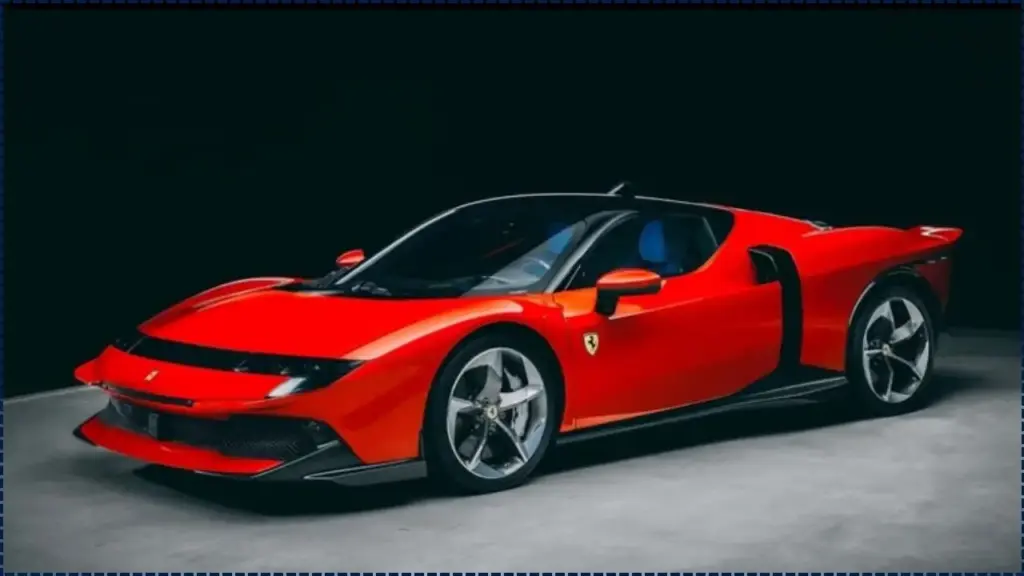
The launch reflects Ferrari’s strategy to integrate electrification into its performance lineup while expanding its footprint in India’s ultra-luxury automotive segment.
Table of Contents
Ferrari 849 Testarossa and India’s Ultra-Luxury Market Evolution
The arrival of the Ferrari 849 Testarossa underscores the gradual maturation of India’s ultra-luxury automotive market. While annual supercar volumes remain low, the number of ultra-high-net-worth individuals (UHNWIs) in India has grown steadily, according to global wealth reports.
Industry analysts note that India is transitioning from a “presence market” to a “participation market,” where global luxury brands are not just selling vehicles but also launching flagship products.
“Launching a hybrid flagship in India signals confidence in long-term demand,” said an automotive consultant. “It also reflects the changing profile of Indian buyers, who are more globally aligned.”
Hybrid Powertrain: Engineering Beyond Traditional Limits
At the core of the Ferrari 849 Testarossa is a highly complex plug-in hybrid system combining internal combustion and electric propulsion.
Powertrain Overview:
- 4.0-litre twin-turbocharged V8 engine
- Three electric motors
- Combined output: 1,050 hp
The architecture enables:
- Instant torque from electric motors
- Enhanced traction through all-wheel drive
- Improved energy recovery during braking
This hybrid configuration represents Ferrari’s broader engineering philosophy: using electrification to enhance performance rather than replace it.
Driving Modes and Software Integration
Modern supercars are increasingly defined by software as much as hardware. The Testarossa features multiple driving modes, including:
- Electric-only mode for urban driving
- Hybrid mode for balanced performance
- Performance mode for maximum output
Advanced onboard systems manage:
- Torque distribution
- Battery usage
- Traction and stability
Experts say software integration is now central to supercar development. “The vehicle is effectively a computer managing energy and performance in real time,” said a vehicle dynamics specialist.
Performance: Track Capability vs Road Usability
The Ferrari 849 Testarossa delivers exceptional performance metrics:
- 0–100 km/h: ~2.2 seconds
- Top speed: ~330 km/h
However, such performance raises questions about usability on public roads.
Track Advantages:
- Optimised aerodynamics
- High-speed stability
- Precision handling
Road Limitations:
- Limited opportunities to exploit full performance
- Traffic and regulatory constraints
Despite this, buyers often value the engineering capability rather than everyday usability.
Battery Technology and Efficiency Trade-Off
The vehicle includes a 7.45 kWh lithium-ion battery, enabling limited electric-only driving.
- Electric range: ~20 km
This highlights a key trade-off:
- Focus on performance rather than long-range efficiency
- Use of battery primarily for power boost
Compared to mainstream EVs, efficiency is secondary in this segment.
Design Philosophy: Heritage Meets Aerodynamics
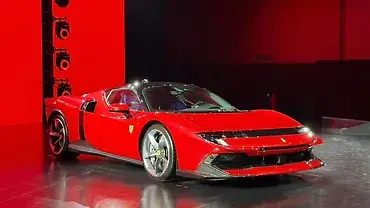
The Ferrari 849 Testarossa draws inspiration from Ferrari’s legacy models while incorporating modern aerodynamic engineering. Design elements include:
- Sculpted body with airflow channels
- Active aerodynamic components
- Signature rear styling
Ferrari engineers have prioritised downforce and cooling efficiency, critical for high-performance driving.
Interior: Minimalism with Performance Focus
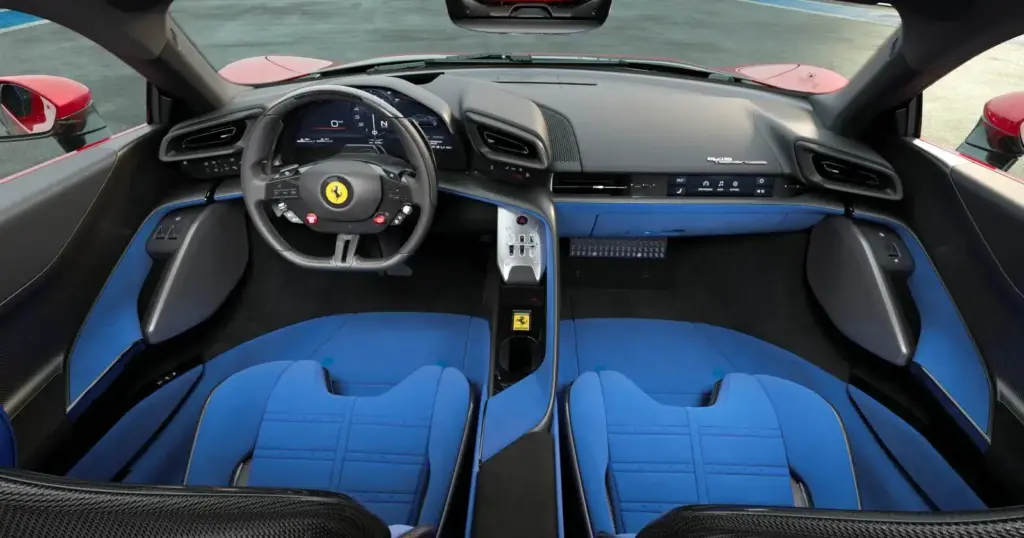
Unlike luxury sedans, the Testarossa’s interior emphasises driving engagement. Key features:
- Digital driver display
- Passenger information screen
- Carbon fibre accents
- Racing-inspired seating
The design philosophy prioritises function over comfort, aligning with Ferrari’s performance heritage.
Customisation: Ferrari Tailor Made Programme
Buyers of the Testarossa can access Ferrari’s Tailor Made programme, offering extensive personalisation options. Customisation includes:
- Unique paint finishes
- Bespoke interior materials
- Personalised design elements
This programme plays a critical role in the ultra-luxury segment, where individuality is a key purchase driver.
Pricing, Allocation, and Waiting Period
The Ferrari 849 Testarossa is priced at ₹10.37 crore (ex-showroom), but actual ownership involves more than the listed price.
Additional Factors:
- Import duties and taxes
- Customisation costs
- Limited allocation
Ferrari typically follows a selective allocation system, prioritising existing customers. Waiting periods may extend from several months to over a year.
Ownership Lifecycle: 5–10 Year Perspective
Owning a supercar involves long-term considerations.
Key Factors:
- Maintenance costs remain high throughout ownership
- Depreciation varies based on rarity
- Collector value may increase over time
In some cases, limited-production Ferrari models appreciate in value, particularly when maintained in original condition.
Insurance, Maintenance, and Running Costs
Estimated ownership costs include:
- Insurance: Very high premiums
- Annual maintenance: ₹5–10 lakh or more
- Fuel cost: ₹20–30 per km
These costs reinforce the exclusivity of the segment.
Competitive Landscape: Hybrid Hypercar Era
The Testarossa competes with:
- Lamborghini Revuelto
- McLaren hybrid supercars
The transition to hybrid systems across competitors highlights a broader industry shift.
Sound Engineering vs Electrification Debate
One of the key challenges in hybrid supercars is preserving the emotional appeal of combustion engines. Ferrari engineers have focused on:
- Maintaining engine sound characteristics
- Integrating electric systems without reducing engagement
“Sound is part of Ferrari’s identity,” said an automotive expert. “Balancing that with electrification is a major engineering challenge.”
India’s Import and Regulatory Ecosystem
Supercars in India face complex regulatory requirements, including:
- Homologation standards
- Import duties
- Environmental compliance
These factors contribute significantly to pricing and availability.
Global Strategy: Ferrari’s Transition to Electrification
Ferrari’s broader strategy includes:
- Expanding hybrid offerings
- Preparing for full electrification
The Testarossa represents a transitional model in this evolution.
Related Links
Royal Enfield Meteor 350 Hits 6 Lakh Sales Milestone: Why Buyers Still Love This Cruiser
2026 BMW M 1000 R India Launch: Key Specifications, Features, and Expected Pricing
Buyer Psychology and Market Dynamics
Buyers in this segment are driven by:
- Exclusivity
- Brand heritage
- Performance
“Supercars are emotional purchases,” said a luxury car consultant. “They represent identity as much as engineering.”
The launch of the Ferrari 849 Testarossa in India highlights the intersection of performance, technology, and luxury in the modern automotive industry. As hybrid systems redefine what is possible in terms of speed and efficiency, Ferrari’s latest model demonstrates how legacy brands are adapting to a rapidly changing landscape while preserving their core identity.