
Toyota has unveiled the Toyota Urban Cruiser Ebella, its first fully electric vehicle in India, offering a claimed range of up to 543 kilometers.
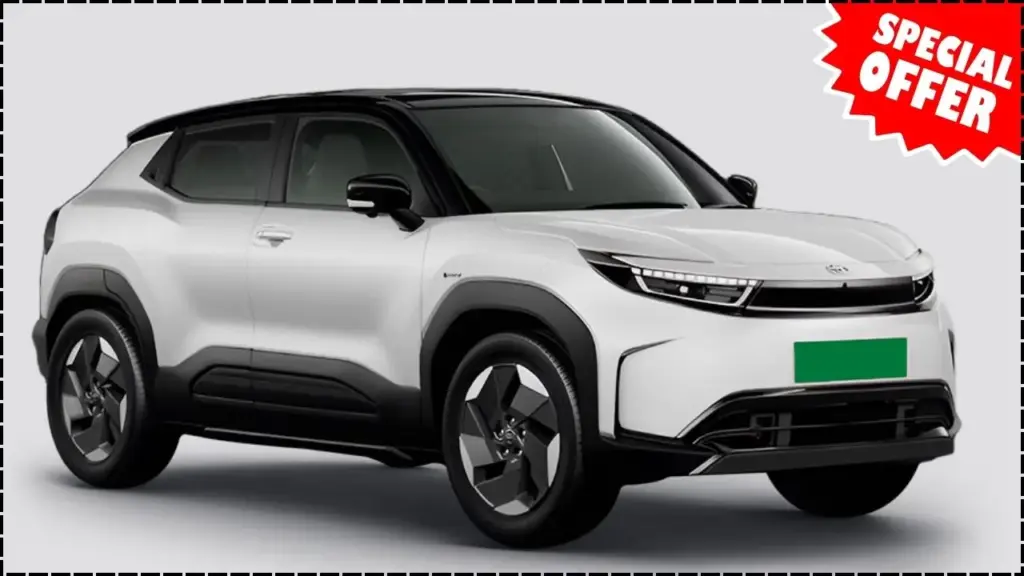
The mid-size electric SUV signals a strategic shift for the Japanese automaker as it responds to rising demand, regulatory pressure, and intensifying competition in one of the world’s fastest-growing EV markets.
Table of Contents
Toyota Urban Cruiser Ebella Unveiled
| Key Fact | Detail / Statistic |
|---|---|
| Maximum Range | Up to 543 km (ARAI-certified) |
| Battery Options | 49 kWh and 61 kWh |
| Fast Charging | 10–80% in ~45 minutes |
| Segment | Mid-size electric SUV |
| Expected Price | ₹16–21 lakh |
Toyota Urban Cruiser Ebella Signals Strategic Shift for Toyota
The launch of the Toyota Urban Cruiser Ebella represents a notable pivot for Toyota Motor Corporation, which has long prioritized hybrid technology over fully electric vehicles.
Globally, Toyota has argued that hybrids offer a more practical transition toward decarbonization, especially in markets with limited charging infrastructure. However, growing regulatory pressure and rapid EV adoption—particularly in China, Europe, and now India—have pushed the company to accelerate its electric vehicle roadmap.
“Toyota has been cautious with battery electric vehicles, but the competitive landscape is changing rapidly,” said an analyst at a global automotive research firm. “The Ebella indicates a stronger commitment to EVs in emerging markets.”
India, now the world’s third-largest automobile market, is central to this strategy. Government incentives and rising fuel costs have driven consumer interest in electric mobility, making the country a key battleground for automakers.
Battery Technology, Range, and Real-World Performance
The Toyota Urban Cruiser Ebella is offered with two battery configurations, addressing different price and usage segments.
- 49 kWh battery: Estimated range of around 440 kilometers
- 61 kWh battery: Up to 543 kilometers, based on ARAI certification
While laboratory-certified ranges provide a benchmark, experts note that real-world performance may vary depending on driving conditions, climate, and usage patterns. “Range figures under ARAI conditions are typically higher than real-world usage,” said an EV researcher at an Indian engineering institute. “However, anything above 500 kilometers significantly reduces range anxiety for most users.”
The Ebella supports DC fast charging, enabling a 10% to 80% charge in approximately 45 minutes. This aligns with industry standards for mid-range electric SUVs.
Toyota has not disclosed detailed battery chemistry, but industry analysts expect lithium-ion technology, possibly with localized sourcing to reduce costs.
Design, Platform, and Engineering Collaboration
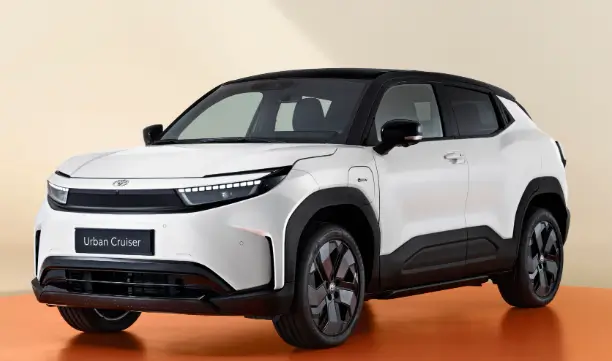
The Ebella is built on a platform co-developed with Suzuki Motor Corporation, Toyota’s long-time partner in India. This collaboration allows both companies to share development costs and accelerate time-to-market. The SUV’s design reflects global EV trends:
- Closed grille for improved aerodynamics
- Sharp LED lighting
- Elevated stance typical of mid-size SUVs
The platform is expected to support future models, suggesting that the Ebella could be the first in a broader lineup of electric vehicles from the Toyota-Suzuki alliance.
Interior Technology and User Experience
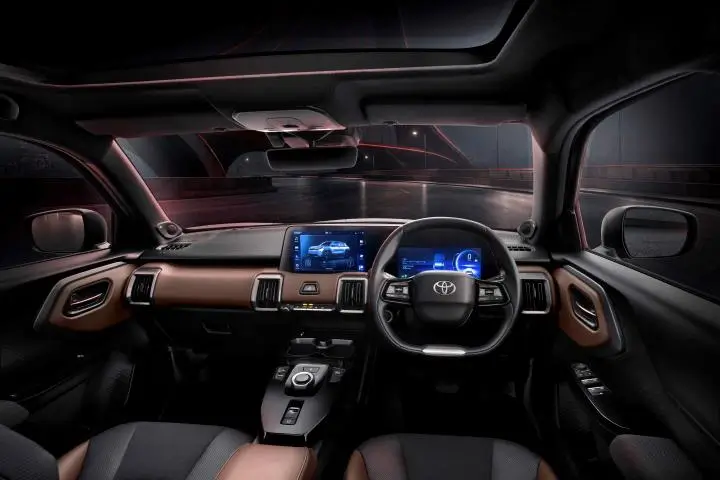
Inside, the Toyota Urban Cruiser Ebella focuses on digital integration and comfort, reflecting evolving consumer expectations. Key features include:
- Dual digital displays for driver information and infotainment
- Wireless smartphone connectivity
- Over-the-air (OTA) software updates
- Premium audio system
The inclusion of OTA updates is particularly notable, as it allows Toyota to improve software performance and add features post-purchase, a growing trend in the EV industry. “Software is becoming as important as hardware in modern vehicles,” said a mobility technology consultant. “Consumers now expect regular updates, similar to smartphones.”
Safety, ADAS, and Regulatory Alignment
Safety features in the Ebella align with global trends toward automation and accident prevention. The vehicle includes:
- Level-2 Advanced Driver Assistance Systems (ADAS)
- Adaptive cruise control
- Lane-keeping assist
- Automatic emergency braking
It also offers seven airbags and a 360-degree camera system. India has been tightening vehicle safety regulations, and features like ADAS may soon become more widespread as awareness grows.
Pricing Strategy and Market Positioning
The Ebella is expected to be priced between ₹16 lakh and ₹21 lakh, positioning it in the mid-range electric SUV segment. This pricing strategy places it in direct competition with:
- Hyundai Creta Electric
- Tata Curvv EV
- MG ZS EV
- Mahindra BE lineup
Industry observers say Toyota’s brand reputation for reliability could provide an advantage, especially among first-time EV buyers.
Charging Infrastructure and Ownership Challenges
Despite strong growth, India’s EV ecosystem still faces infrastructure constraints. According to government data, public charging stations remain concentrated in urban areas, limiting long-distance usability in some regions.
“Charging infrastructure is improving, but it’s uneven,” said an energy policy expert. “Automakers must balance range, cost, and charging solutions to address this gap.” Toyota is expected to partner with charging providers to expand accessibility, though details have not yet been disclosed.
Environmental Impact and Sustainability Considerations
Electric vehicles are often promoted as a cleaner alternative to internal combustion engines, but their environmental impact depends on electricity sources and battery production. India still relies heavily on coal for power generation, which reduces the net emissions benefit of EVs compared to countries with cleaner energy grids.
However, experts say EV adoption remains critical for reducing urban air pollution. “Even with a coal-heavy grid, EVs help lower local emissions,” said an environmental policy researcher. “Over time, as renewable energy increases, their benefits will grow.”
Consumer Trends and Buying Behavior
Consumer attitudes toward EVs in India are evolving rapidly. Key factors influencing purchasing decisions include:
- Driving range
- Charging availability
- Total cost of ownership
- Brand trust
Toyota’s strong after-sales network and reputation for durability may appeal to buyers hesitant about switching to electric vehicles. “Trust is a major factor,” said an auto dealership executive. “Many consumers are entering the EV market for the first time and prefer established brands.”
Global Context: Toyota’s EV Roadmap
The Ebella launch comes as Toyota expands its global EV strategy. The company has announced plans to introduce multiple battery electric models worldwide while continuing to invest in hybrid and hydrogen technologies.
In recent statements, Toyota executives have emphasized a “multi-pathway approach” to carbon neutrality, combining different technologies based on regional needs. India’s growing EV demand may push Toyota to accelerate its electric offerings in the region.
What Comes Next for the Toyota Urban Cruiser Ebella
Industry analysts will closely monitor:
- Booking volumes and customer response
- Real-world range performance
- Charging network partnerships
- After-sales service readiness
The success of the Ebella could influence Toyota’s future investments in electric mobility across emerging markets.
Related Links
Top 5 Electric Bikes Under ₹1.5 Lakh: A Detailed Comparison of Range and Battery Life
Top 10 Bestselling Motorcycles in India: Latest Price List (March 2026 Updated)
As India’s electric vehicle market expands, the Toyota Urban Cruiser Ebella represents a critical test of Toyota’s evolving EV strategy. Its performance in terms of sales, reliability, and consumer acceptance will help determine how quickly the company deepens its electric footprint in emerging economies.
FAQs
Q1: What is the range of the Toyota Urban Cruiser Ebella?
The top variant offers up to 543 km, based on ARAI certification.
Q2: Does it support fast charging?
Yes, it supports DC fast charging, reaching 80% in about 45 minutes.
Q3: What is the expected price?
It is expected to cost between ₹16 lakh and ₹21 lakh.
Q4: Is this Toyota’s first EV in India?
Yes, it is Toyota’s first fully electric vehicle in the Indian market.