
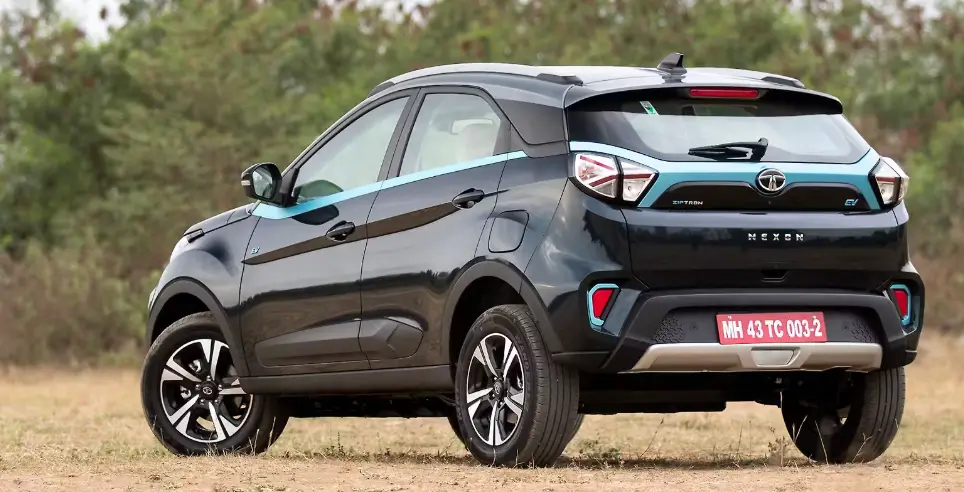
The 2026 Tata Nexon EV Max represents the latest evolution of one of India’s most influential electric vehicles. Developed by Tata Motors, the compact electric SUV introduces a longer driving range, upgraded battery technology and a suite of next-generation smart features. With a certified range approaching 489 kilometres on a single charge, the vehicle aims to address persistent concerns about range and charging convenience among Indian buyers.
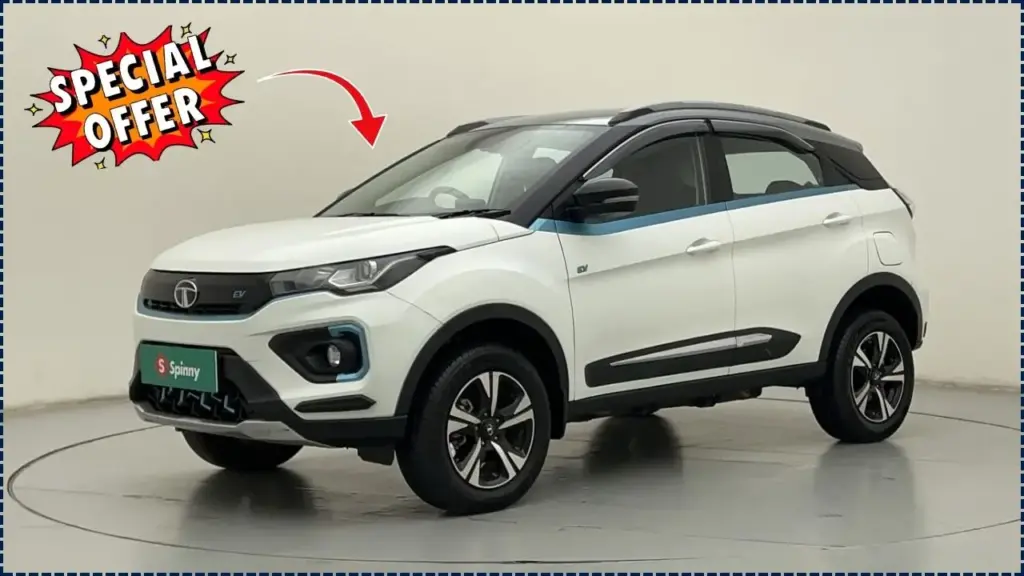
Automotive analysts say the Nexon EV Max illustrates how domestic manufacturers are accelerating India’s shift toward electric mobility as government policies and consumer demand increasingly favour zero-emission vehicles.
Table of Contents
The Nexon EV’s Role in India’s Electric Vehicle Market
When Tata Motors launched the Nexon EV in 2020, India’s electric vehicle sector was still in its early stages. EV adoption accounted for only a small fraction of passenger vehicle sales, and charging infrastructure remained limited. However, the Nexon EV quickly gained traction. The SUV’s familiar design, competitive pricing and relatively long range helped make electric mobility more accessible to mainstream consumers.
Industry analysts widely credit the model with helping establish Tata Motors as a leader in India’s EV market. According to industry data cited by automotive analysts, Tata’s electric vehicles have consistently accounted for a significant share of EV sales in the country.
“Products like the Nexon EV have played a critical role in shaping India’s EV adoption curve,” said Rakesh Srivastava, an automotive industry consultant and former senior executive at Nissan India, in commentary reported by Indian auto publications.
The 2026 Tata Nexon EV Max builds on this foundation with improvements designed to meet growing consumer expectations for range, technology and convenience.
Battery Technology and Range Improvements
Larger Battery Pack
The most significant upgrade in the 2026 Tata Nexon EV Max is its larger battery pack. The vehicle uses a 45 kWh lithium-ion battery, delivering greater energy storage and improved driving range compared with earlier Nexon EV models. The battery is paired with an electric motor producing approximately 142 horsepower and 215 Nm of torque, enabling smooth acceleration and responsive driving performance.
Under the Modified Indian Driving Cycle (MIDC) testing standard, Tata Motors claims the SUV can travel up to 489 kilometres on a single charge.
Real-World Range
Automotive experts note that laboratory testing standards often produce higher figures than real-world driving conditions. Independent road tests conducted by automotive publications suggest real-world range typically falls between 350 and 375 kilometres, depending on driving style, climate conditions and traffic patterns. Even at these levels, analysts say the Nexon EV Max offers sufficient range for most daily commuting and many intercity trips.
Charging Technology and Infrastructure Expansion
Charging speed and infrastructure availability remain key barriers to EV adoption. The 2026 Tata Nexon EV Max supports multiple charging options:
- 7.2 kW AC home charger: approximately 6 to 7 hours for a full charge
- 60 kW DC fast charger: up to 80 percent charge in about 40 minutes
Tata Motors has also invested heavily in charging infrastructure through partnerships with charging network operators. The company’s Tata Power EV Charging network has expanded rapidly across Indian cities and highways, installing thousands of public charging stations nationwide.
Industry analysts say expanding charging infrastructure will be essential for sustained EV adoption. “Charging access is the next major challenge for India’s EV transition,” said Sohinder Gill, Director General of the Society of Manufacturers of Electric Vehicles (SMEV), in interviews with industry publications.
Next-Generation Smart Features
Digital Cabin Technology
The 2026 Tata Nexon EV Max introduces an updated digital cockpit designed to match modern connected vehicles. The interior includes a 31.24-centimetre touchscreen infotainment system, integrated with a fully digital instrument cluster and connected car technology. Drivers can access a variety of functions through the vehicle’s mobile application, including:
- Battery status monitoring
- Remote climate control
- Charging management
- Vehicle location tracking
These features are part of Tata Motors’ broader strategy to integrate vehicles into the digital ecosystem.
Advanced Driver Assistance Systems (ADAS)
The Nexon EV Max also incorporates Level-2 Advanced Driver Assistance Systems (ADAS) in higher variants. These technologies include:
- Adaptive cruise control
- Lane-keeping assistance
- Forward collision warning
- Automatic emergency braking
ADAS features were traditionally limited to premium vehicles but are now gradually appearing in mid-range electric SUVs as technology costs decline.
Performance and Driving Experience
Electric vehicles are known for their quiet operation and instant torque. The 2026 Tata Nexon EV Max can accelerate from 0 to 100 kilometres per hour in approximately 8.9 seconds, according to manufacturer data. The SUV also features three driving modes:
- Eco mode, designed for maximum efficiency
- City mode, optimised for daily urban driving
- Sport mode, providing stronger acceleration
Regenerative braking technology allows the vehicle to recover energy during deceleration, helping extend overall driving range.
Battery Safety and Thermal Management
Battery safety has become a key concern for electric vehicle buyers. Tata Motors has implemented several safety mechanisms in the Nexon EV Max battery system, including:
- Liquid-cooled battery packs
- Advanced thermal management systems
- Structural protection for battery modules
The company also offers an eight-year or 160,000-kilometre battery warranty, depending on ownership conditions. Such measures are designed to reduce the risk of overheating and battery degradation.
Pricing Strategy and Market Position
The 2026 Tata Nexon EV Max is positioned in the mid-range electric SUV category. Pricing typically ranges from approximately ₹12.5 lakh to ₹17 lakh or more, depending on the selected variant and features. This pricing strategy allows Tata Motors to compete with both petrol SUVs and rival electric vehicles. Automotive analysts say this balance between affordability and technology has been central to the Nexon EV’s success.
Ownership Costs and Economic Advantages
Electric vehicles often have higher purchase prices than petrol cars but lower operating costs. EV owners benefit from:
- Lower energy costs compared with petrol or diesel
- Reduced maintenance due to fewer mechanical components
- Government incentives and tax benefits in some states
According to industry estimates, EV operating costs can be 40 to 60 percent lower per kilometre compared with conventional vehicles. For many urban drivers, these savings can offset the higher upfront cost of electric vehicles over time.
Competition in India’s Electric SUV Segment
The Nexon EV Max faces increasing competition as more manufacturers enter India’s electric vehicle market. Key competitors include:
- MG ZS EV
- Mahindra XUV400 EV
- Upcoming electric SUVs from global manufacturers
Despite this competition, Tata Motors currently remains one of the dominant players in India’s EV market.
Environmental Impact and Energy Transition
Electric vehicles are often promoted as a tool to reduce urban air pollution and carbon emissions. India remains one of the world’s largest consumers of fossil fuels, and transportation contributes significantly to urban pollution.
Government initiatives such as the Faster Adoption and Manufacturing of Electric Vehicles (FAME) scheme aim to accelerate EV adoption through subsidies and policy incentives. Analysts say vehicles like the 2026 Tata Nexon EV Max are important steps toward reducing emissions in the transportation sector.
Related Links
2026 RAM 2500 & 1500: Reviewing the Latest Diesel Engine and Towing Updates
2026 Toyota Tacoma Review: Key Performance Updates and Mileage Specs
Future Outlook for Tata’s Electric Vehicle Strategy
Looking ahead, Tata Motors plans to expand its electric vehicle portfolio significantly. The company has announced plans to introduce several new EV models by the end of the decade, including electric SUVs built on dedicated EV platforms.
Industry analysts expect battery technology improvements and falling costs to accelerate EV adoption in India over the coming years. For Tata Motors, the 2026 Tata Nexon EV Max represents an important step in maintaining its leadership position during this transition.
The 2026 Tata Nexon EV Max demonstrates how India’s automotive industry is adapting to the growing demand for electric mobility. With its extended driving range, improved charging technology and advanced digital features, the vehicle addresses many of the concerns that previously limited EV adoption.
As India continues its transition toward cleaner transportation, vehicles like the Nexon EV Max are likely to remain central to the country’s evolving automotive landscape.