
The 2026 Toyota Hilux Updates introduce hybrid diesel technology and a fully electric version of the iconic pickup truck, marking a major technological shift for one of the most widely used work vehicles in the world.
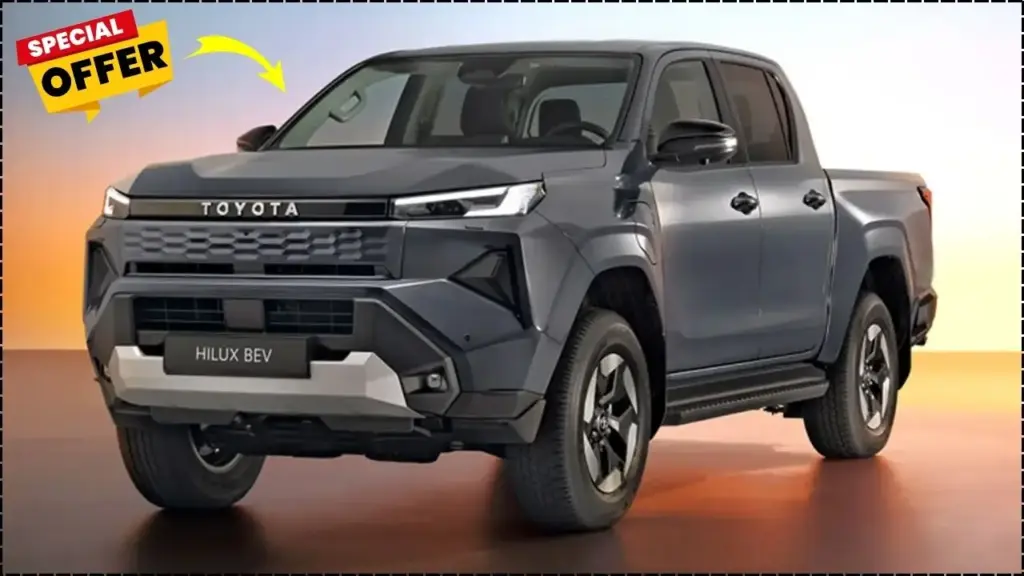
Toyota Motor Corporation says the changes aim to reduce emissions while maintaining the durability and off-road capability that have defined the Hilux for decades.
Table of Contents
2026 Toyota Hilux Updates
| Key Fact | Detail |
|---|---|
| Hybrid System | 48-volt mild-hybrid diesel system paired with 2.8L engine |
| Electric Variant | First battery-electric Toyota Hilux pickup |
| Electric Range | Estimated around 240 km (WLTP) |
| Global Launch | Rollout beginning late 2025 through 2026 |
Why the Hilux Matters in the Global Pickup Market
The Toyota Hilux has long been considered one of the most durable and reliable pickup trucks ever produced. Since its launch in 1968, Toyota has sold millions of Hilux units worldwide. The truck is now distributed in more than 180 countries, according to Toyota corporate reports.
In many regions—including Southeast Asia, Africa, the Middle East, and Australia—the Hilux dominates the midsize pickup segment. Industry analysts say its popularity stems from a combination of reliability, off-road capability, and relatively simple mechanical design.
“The Hilux has built a reputation for durability in environments where vehicles must operate under extreme conditions,” said Stephanie Brinley, associate director at S&P Global Mobility, in commentary on global pickup markets. The electrification of such a widely used vehicle reflects a broader shift in the automotive industry as manufacturers attempt to meet stricter emissions standards.
Hybrid Diesel Technology in the 2026 Toyota Hilux Updates
How the Hilux Hybrid System Works
One of the most significant innovations in the 2026 Toyota Hilux Updates is the addition of a 48-volt mild hybrid system. According to Toyota’s European media releases, the system pairs with the existing 2.8-liter turbocharged diesel engine, a powertrain already widely used in Hilux models. Key components include:
- 48-volt lithium-ion battery
- electric motor-generator
- DC-DC converter
Unlike full hybrid systems, the mild-hybrid system does not power the vehicle independently using electricity. Instead, it supports the diesel engine during acceleration and helps reduce fuel consumption. Toyota engineers also designed the system to fit beneath the rear seats so that interior space and payload capacity remain unchanged.
Performance and Fuel Efficiency
The hybrid system works alongside the diesel engine that produces roughly 204 horsepower and up to 500 Newton-meters of torque. The electric motor assists during acceleration and enables smoother start-stop operation. According to Toyota engineers, the system improves:
- fuel efficiency in city driving
- low-speed torque delivery
- engine smoothness during restarts
These improvements may be particularly useful in off-road situations where precise low-speed control is important. “Electrification can enhance off-road performance by delivering immediate torque,” Toyota engineers said in a technical briefing published by the company.
Electric Toyota Hilux: The First Battery-Electric Pickup Variant
Introducing the Electric Hilux
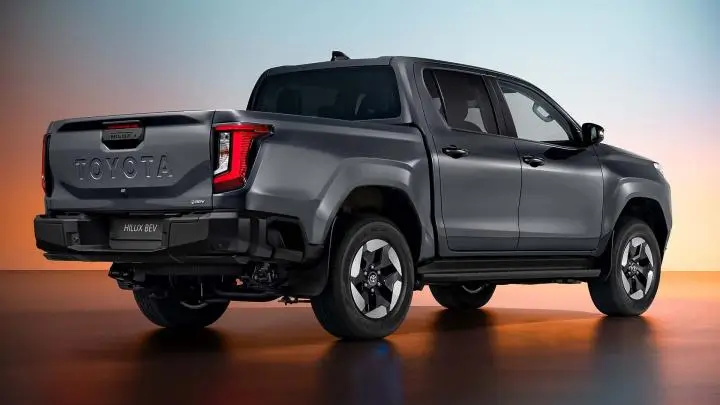
Perhaps the most dramatic development in the 2026 Toyota Hilux Updates is the launch of a fully electric Toyota Hilux. The electric pickup represents Toyota’s first battery-electric version of the Hilux platform. The model uses a 59.2 kWh lithium-ion battery pack combined with electric motors on the front and rear axles. This dual-motor configuration provides permanent all-wheel drive.
Range and Performance
Industry estimates suggest the electric Hilux will deliver around 240 kilometers (approximately 149 miles) of driving range under the WLTP testing cycle. While this range is lower than many passenger electric vehicles, Toyota says the design prioritizes durability and off-road capability. Electric pickups must balance several competing factors:
- battery weight
- payload capacity
- vehicle cost
- range requirements
“Electric trucks face unique engineering challenges compared with passenger cars,” said Sam Abuelsamid, principal analyst at Guidehouse Insights, in analysis of electric pickup development.
Capability: Towing, Payload, and Off-Road Performance
Despite electrification, Toyota engineers say the Hilux will maintain its traditional capability. For diesel and hybrid models:
- Maximum towing capacity: approximately 3.5 tonnes
- Payload capacity: about 1,000 kilograms
These figures remain competitive within the midsize pickup segment. The electric Hilux is expected to have slightly lower payload capacity due to the weight of the battery pack. To maintain off-road capability, Toyota equips the truck with:
- Multi-Terrain Select drive modes
- Electronic traction control
- Hill descent control
- Four-wheel drive system
These technologies allow the vehicle to adapt to challenging environments such as sand, mud, and rocky terrain.
Interior Technology and Safety Systems
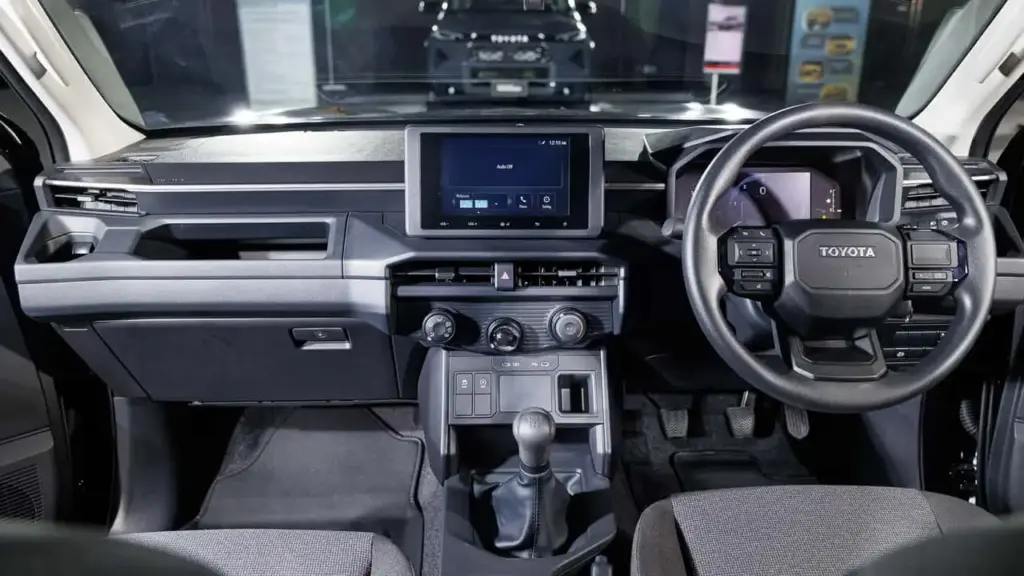
The 2026 Toyota Hilux Updates also include several interior upgrades. Toyota redesigned the cabin to incorporate more digital technology and improved materials. Key interior features include:
- 12.3-inch digital instrument cluster
- large infotainment touchscreen
- wireless smartphone connectivity
- improved navigation and connected services
The truck also includes the latest version of Toyota Safety Sense, the company’s driver-assistance system. Features may include:
- adaptive cruise control
- lane departure alert
- automatic emergency braking
- blind-spot monitoring
Such systems have become increasingly common in pickup trucks as many buyers use them as family vehicles.
Manufacturing and Global Supply Chain
Toyota manufactures Hilux trucks in several locations worldwide, including plants in:
- Thailand
- South Africa
- Argentina
These factories produce vehicles for regional markets across Asia, Africa, and Latin America. The Hilux plays an important role in Toyota’s global production strategy, supporting thousands of manufacturing jobs and extensive supplier networks.
Automotive production has faced disruptions in recent years due to semiconductor shortages and supply chain challenges. However, Toyota says it continues working with suppliers to stabilize production capacity for new models.
Charging Infrastructure Challenges
The introduction of the electric Hilux highlights an ongoing challenge in the pickup market: charging infrastructure. While electric vehicles are growing rapidly in North America, Europe, and China, many regions where the Hilux is popular have limited charging networks. For example, remote mining and agricultural regions may lack public charging stations.
As a result, Toyota’s hybrid approach may provide a transitional solution for many markets. Hybrid vehicles reduce emissions without requiring charging infrastructure.
Ownership Costs and Reliability
One of the Hilux’s key selling points has historically been its durability and low maintenance requirements. Fleet operators often choose the Hilux because it can operate for long periods with minimal repairs. Toyota has said the hybrid system was engineered to maintain this reputation for reliability.
Industry analysts say long-term operating costs will remain a major factor for pickup buyers. “Commercial users prioritize durability and predictable operating costs,” said Jessica Caldwell, executive director at Edmunds.
Market Competition
The electrified Hilux enters an increasingly competitive pickup market. Major competitors include:
- Ford Ranger Plug-in Hybrid
- Ford F-150 Lightning
- Rivian R1T
- Tesla Cybertruck
However, many of these vehicles target North American buyers, while the Hilux serves a broader global audience. The truck’s strong reputation in developing markets may help Toyota maintain its position even as electrification accelerates.
Toyota’s Multi-Path Electrification Strategy
Toyota has adopted a diversified approach to reducing vehicle emissions. Instead of focusing exclusively on battery-electric vehicles, the company continues developing several technologies:
- hybrid vehicles
- plug-in hybrids
- hydrogen fuel-cell vehicles
- battery-electric vehicles
The Hilux is also being developed as a hydrogen fuel-cell prototype, based on technology used in the Toyota Mirai hydrogen sedan. Toyota executives say this “multi-pathway strategy” allows the company to respond to different regional energy infrastructures.
Related Links
Analyzing the Maybach Ultra-Luxury Pickup Concept: Why It Stirs Debate
2026 Ford F-150 Lightning: Real-World Range and Towing Capacity Tested
The 2026 Toyota Hilux Updates demonstrate how traditional work vehicles are adapting to the automotive industry’s transition toward lower emissions. By introducing hybrid diesel technology and an electric pickup variant, Toyota is attempting to balance environmental goals with the rugged capability that made the Hilux famous.
Future versions of the truck may include additional electrified technologies as battery performance and charging infrastructure continue to improve.
FAQs
What are the main changes in the 2026 Toyota Hilux Updates?
The new model introduces a 48-volt hybrid diesel system and a fully electric Toyota Hilux pickup.
What is the electric Hilux driving range?
Early estimates suggest about 240 kilometers under WLTP testing conditions.
Will the diesel engine remain available?
Yes. Toyota will continue offering the 2.8-liter turbo-diesel engine alongside hybrid and electric options.
When will the new Hilux be available?
Global rollout begins in late 2025, with additional markets receiving the truck during 2026.